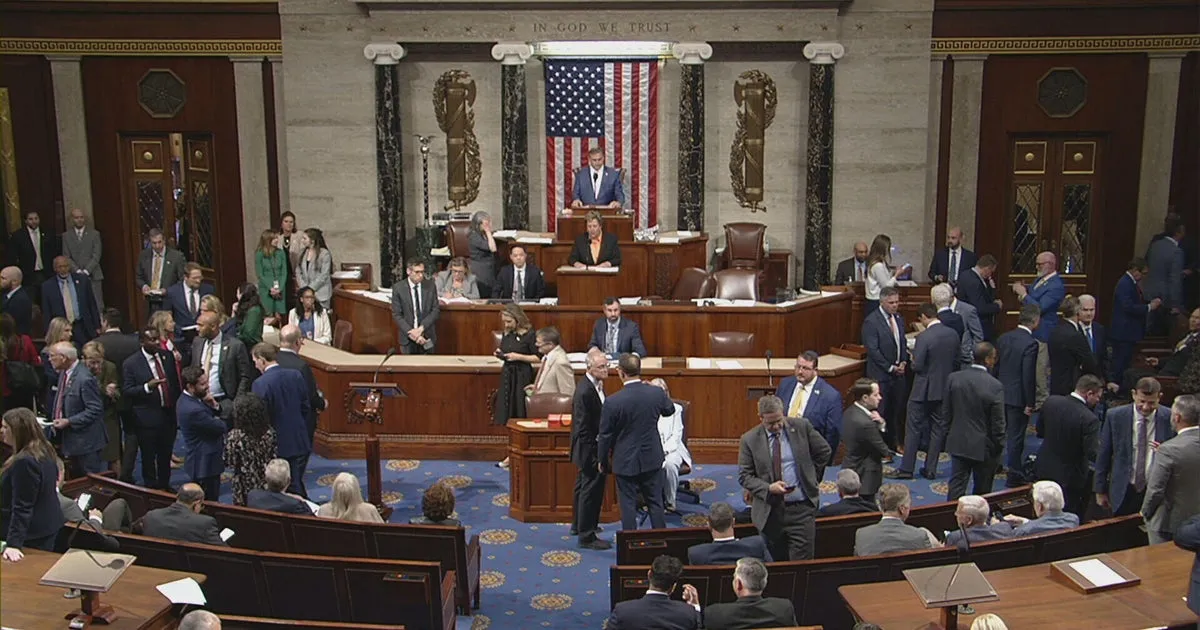
If you have ever wondered where all the money goes, wonder no more. According to a new report by a leading conflict research think-tank, the world spent a jaw-dropping $2.89 trillion on military budgets in 2025 - a 2.9% increase over the previous year. That is not a typo. Trillion. With a T.
The figure, cited by France24, comes despite a notable 7.5% decline in US military spending - which sounds like good news until you realize the rest of the planet collectively shrugged and said "hold my beer."

The Trump factor
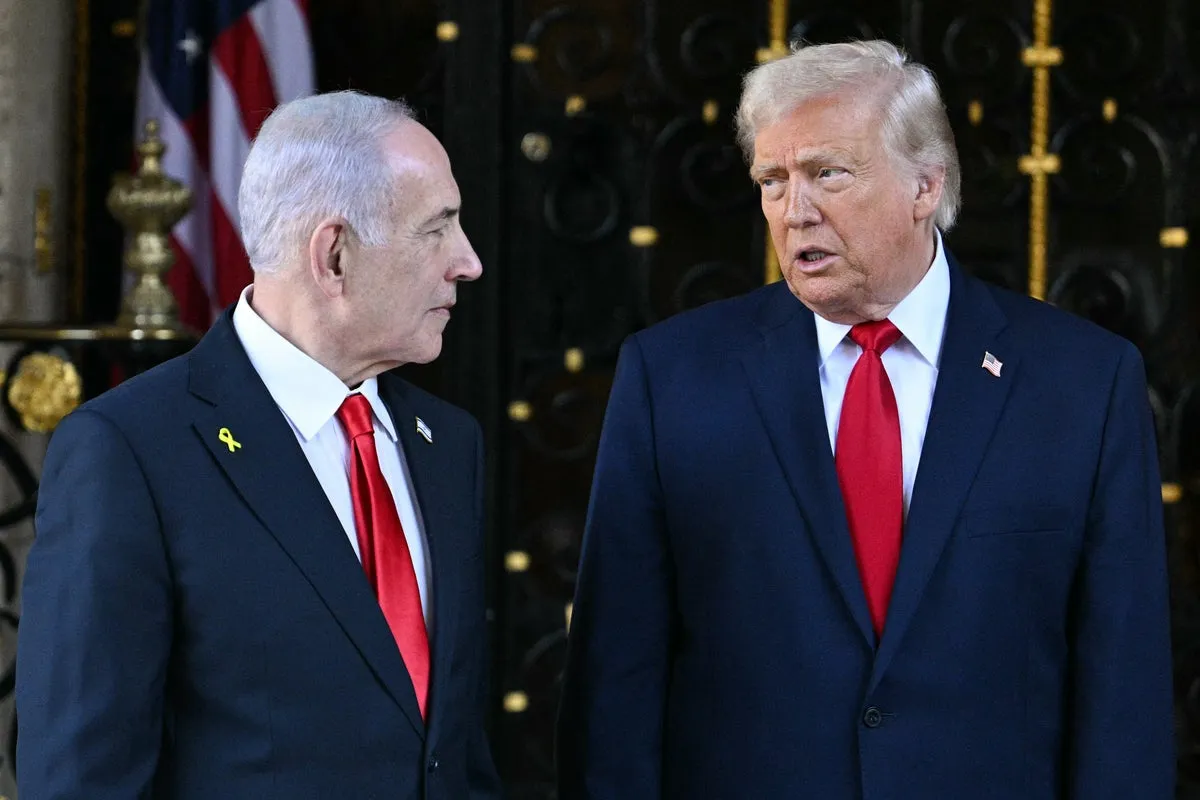
A significant driver of the American pullback, the report notes, was President Donald Trump's decision to halt new financial military aid to Ukraine. That move, controversial as it was, contributed to the dip in US figures. But here is the twist: global spending still went up. The math does not lie, even when the geopolitics do.
So who is spending more?
While the report does not spell out every country's checkbook in the France24 summary, the broader trend is clear - nations outside the US are ramping up defense budgets at a pace that more than offsets Washington's retreat. Europe, rattled by the ongoing war in Ukraine and shifting American security guarantees, has been on a military spending spree that would make a Black Friday shopper blush. Asian nations, eyeing tensions in the South China Sea and beyond, are similarly loosening the purse strings.

What does $2.89 trillion even look like?
To put that number in perspective, it is roughly the GDP of France and the United Kingdom combined. It could fund NASA's entire budget for approximately 130 years. It is, to put it mildly, a lot of money to spend on things designed to break other things.
The bigger picture
What makes this report genuinely unsettling - beyond the sheer scale - is the direction of travel. Global military spending has now risen for the eleventh consecutive year, according to data tracked by major defense research institutions. The world is not de-escalating. It is very much doing the opposite, just with a slightly reshuffled set of wallets.

Whether this represents rational states responding to genuine threats or a collective action problem dragging everyone toward an arms race is, depending on who you ask, either a serious policy debate or a very expensive coin flip.
One thing is certain: $2.89 trillion is not a rounding error. It is a choice.