The Democratic Republic of Congo's government and M23 rebel forces have both committed to protecting civilians and ensuring the delivery of humanitarian aid, following negotiations held in Switzerland, according to Al Jazeera.
The talks also yielded progress on establishing a formal protocol for monitoring any ceasefire agreement, a step that mediators and observers have long identified as essential to making a truce durable in the conflict-ridden eastern DRC.
Background to the conflict
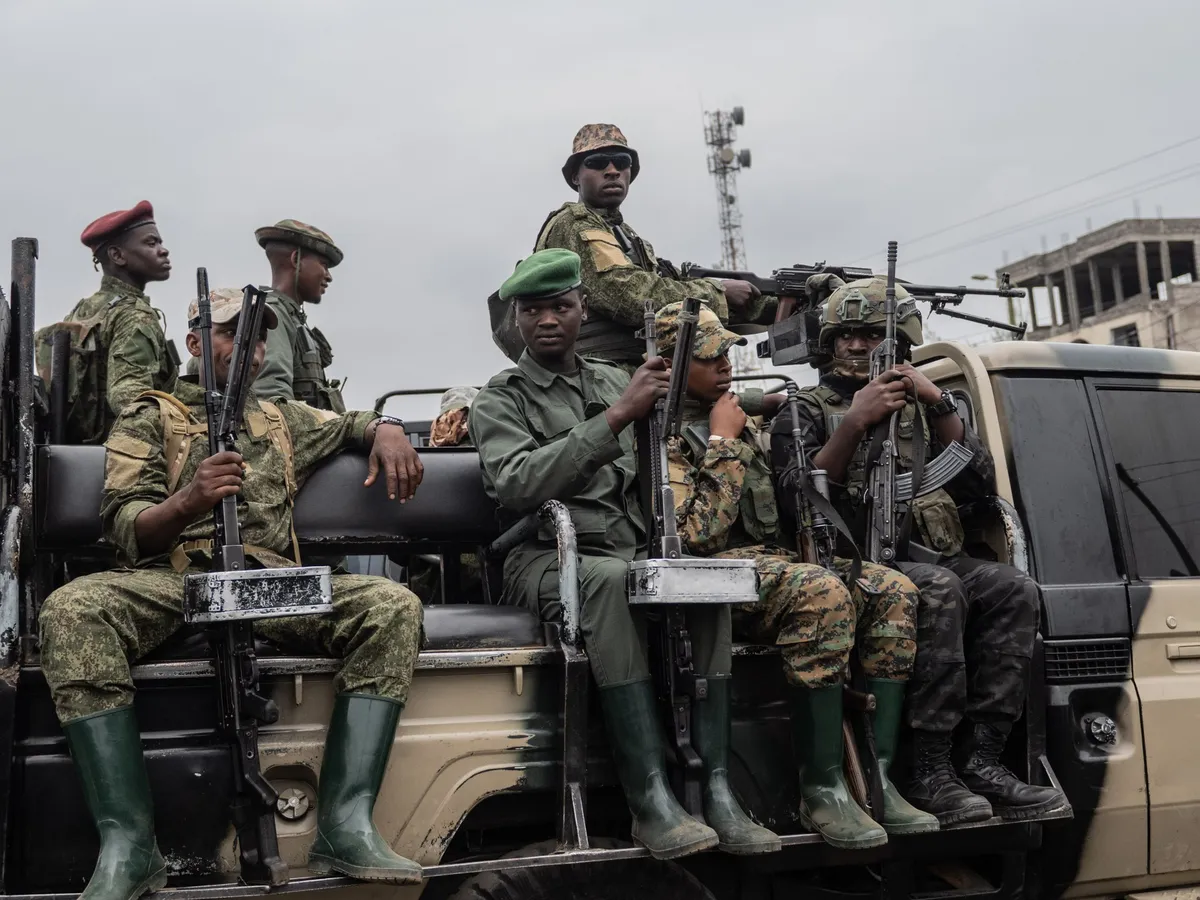
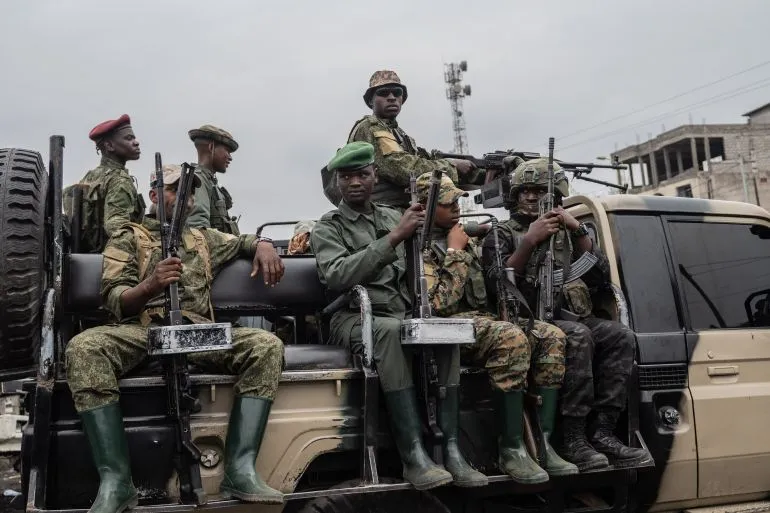
The M23 rebel group has been at the center of a prolonged insurgency in eastern DRC, a region that has experienced decades of armed conflict involving a range of domestic and foreign actors. The group seized significant territory in recent years, displacing hundreds of thousands of civilians and severely disrupting the delivery of food, medicine, and other essential supplies.
International pressure for a negotiated solution has grown as the humanitarian situation in affected areas deteriorated. Several mediation efforts have been launched by regional bodies and international partners, with Switzerland hosting this latest round of direct engagement between the two sides.
Commitments made
Both parties signaled agreement on the need to shield non-combatants from the violence that has characterized the conflict, as well as on allowing aid organizations access to deliver relief to affected populations. These commitments, if upheld, would represent a meaningful shift in conditions on the ground, where humanitarian workers have repeatedly reported obstacles to reaching those in need.
Progress on a ceasefire oversight protocol is also seen as significant. Previous ceasefires in the region have frequently collapsed in the absence of credible monitoring mechanisms, and establishing agreed procedures for verifying compliance has been a sticking point in prior negotiations.
Cautious outlook
No comprehensive peace agreement was announced following the Switzerland talks, and the path to a lasting resolution remains uncertain. The DRC conflict involves overlapping interests - including those of neighboring states, armed groups, and international actors with stakes in the region's mineral resources - that have repeatedly complicated diplomatic efforts.
Observers will be watching closely to see whether the commitments made in Switzerland translate into measurable changes in behavior by both sides, particularly regarding civilian safety and humanitarian access in areas where fighting has been most intense.