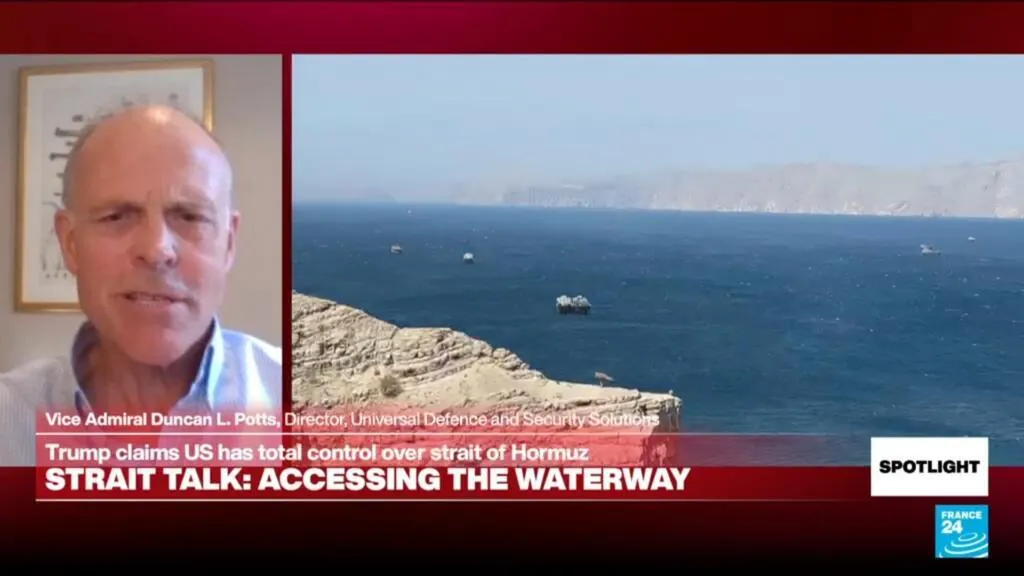
The Strait of Hormuz, one of the world's most strategically vital waterways, has emerged as a focal point in the escalating conflict between Iran and the United States, according to a report by France 24.
The narrow passage, which connects the Persian Gulf to the Gulf of Oman, serves as the primary export route for oil produced across the Middle East. Any disruption to shipping through the strait would have far-reaching consequences for global energy markets.

Why the strait matters
A substantial portion of the world's seaborne oil passes through the Strait of Hormuz, making it one of the most critical chokepoints in the global energy supply chain. Countries heavily dependent on Middle Eastern oil exports - including major economies in Asia and Europe - would be directly affected by any closure or sustained disruption of the waterway.
Iran, whose coastline borders the strait, has previously threatened to close it during periods of heightened tension with Western powers. Those threats have historically been enough to trigger significant volatility in international oil prices.
A recurring flashpoint
The strait has long served as a pressure point in Iran's dealings with the United States and its regional allies. During past standoffs, Iranian naval forces have conducted exercises in the area, and there have been incidents involving the seizure or harassment of commercial vessels.
The current tensions place renewed focus on how both sides might use the waterway as leverage. For Iran, the ability to threaten - or actually disrupt - oil flows represents one of its most significant tools of asymmetric pressure. For the United States and its partners, keeping the strait open is considered a core strategic interest.
Economic implications
Any interference with shipping through the Strait of Hormuz would send immediate shockwaves through global energy markets. Analysts have long warned that even a temporary closure could cause sharp spikes in oil prices, with knock-on effects for inflation and economic stability in energy-importing nations.
The geopolitical sensitivity of the waterway means that developments there are closely watched by governments, military planners, and commodity markets alike.
As diplomatic and military pressures between Tehran and Washington continue to evolve, the Strait of Hormuz remains a barometer of how far the confrontation could escalate - and at what cost to the broader global economy.