Myanmar's military-backed president Min Aung Hlaing has called on armed opposition groups to enter peace negotiations before the end of July, according to state media reports. However, two significant rebel factions rejected the offer on Tuesday, casting doubt on the prospects for any near-term resolution to the country's ongoing civil war.
Min Aung Hlaing, who led a coup nearly five years ago that triggered the armed conflict, made the appeal during a government meeting. He urged rebel groups not currently part of any ceasefire arrangement to join formal talks, state media reported, as cited by the South China Morning Post.
A conflict with no clear end in sight
Myanmar has been embroiled in widespread fighting since the military seized power and overthrew the elected civilian government. The conflict has drawn in a range of ethnic armed organizations and a pro-democracy resistance movement known as the People's Defence Force, fragmenting the country along multiple front lines.
The military government, known as the junta, has struggled to consolidate control over large portions of the country. Several ethnic armed groups have made significant territorial gains in recent years, placing increased pressure on junta-controlled areas and supply routes.
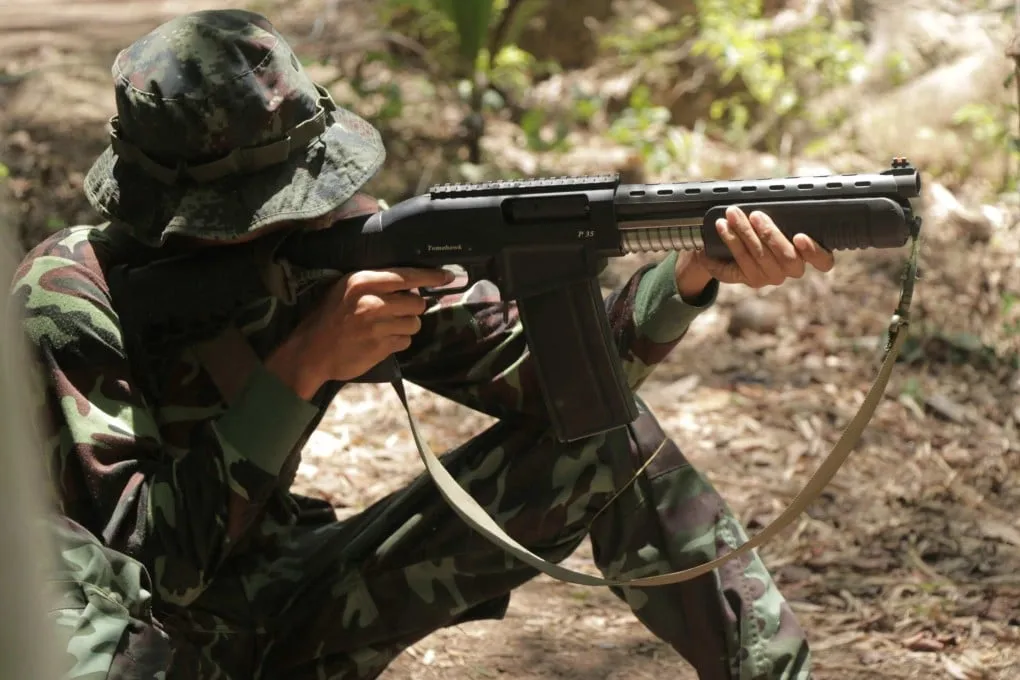
Rebel rejections
Despite the overture, two key rebel groups publicly turned down the offer. Their refusal reflects a broader pattern of distrust between armed opposition factions and the military establishment, which many in the resistance movement hold responsible for years of violence against civilians.
The identities and specific stated reasons of the two rejecting groups were not detailed in initial reports, though opposition factions have consistently demanded conditions - including a halt to airstrikes and the release of political prisoners - before agreeing to any formal dialogue.
Regional and international concerns
The conflict has drawn concern from neighboring countries and international organizations, with millions of civilians displaced and widespread reports of human rights abuses. Regional bloc ASEAN has repeatedly attempted to broker dialogue through its Five-Point Consensus framework, with limited success.
The July 31 deadline set by Min Aung Hlaing represents one of the more concrete timelines the military government has proposed for engagement, though analysts have previously noted that such offers have rarely translated into substantive negotiations given the deep mistrust between the warring parties.
Myanmar's civil war is considered one of the most complex and deadly ongoing conflicts in Southeast Asia, with no clear resolution in sight despite the military's latest diplomatic overture.