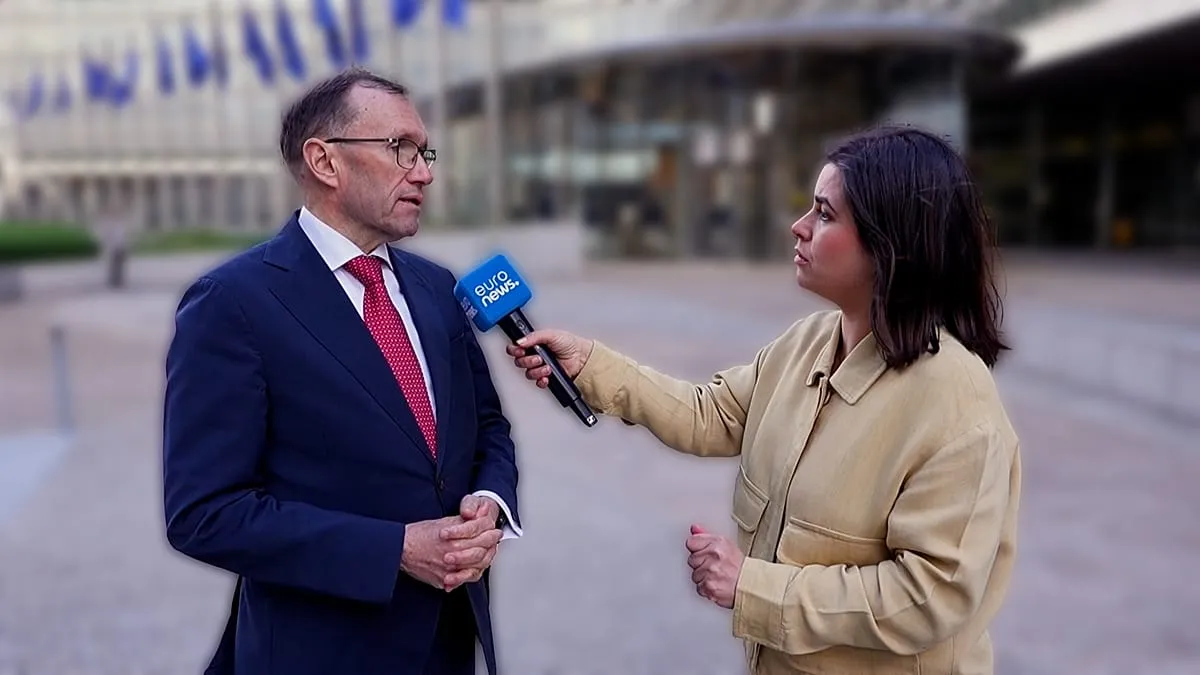
Norway's foreign affairs minister Espen Barth Eide has said there is very little enthusiasm among NATO member states for direct involvement in the conflict with Iran, drawing a clear line between European security contributions and full military participation in the war.
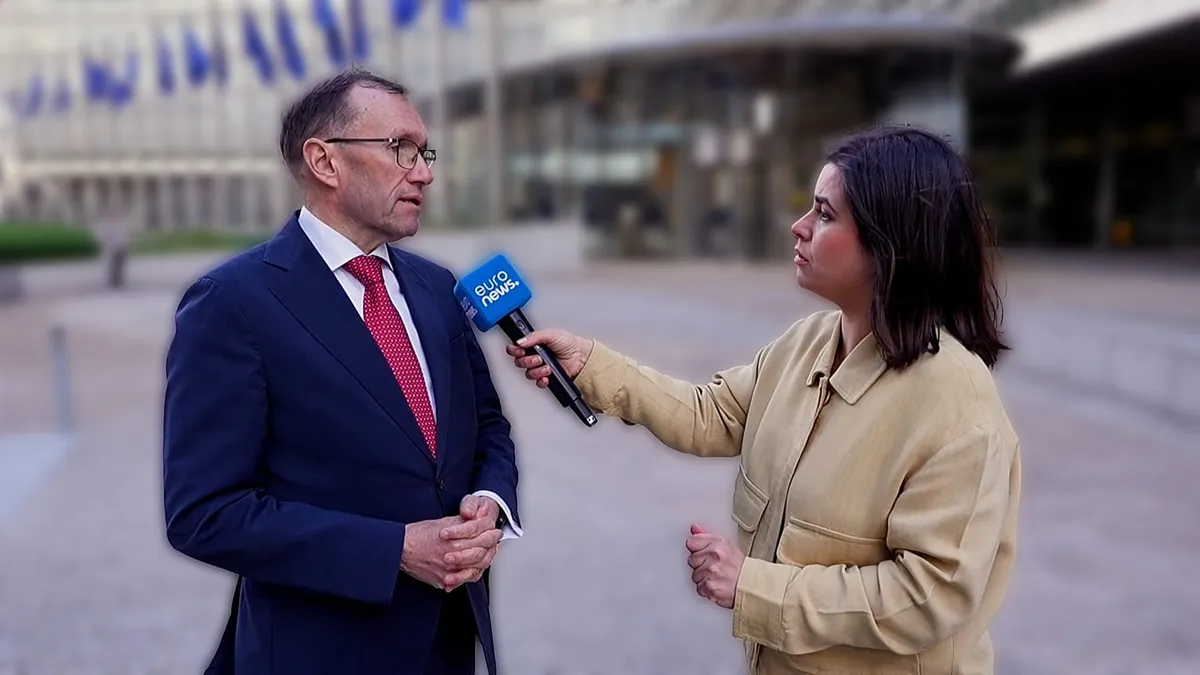
Speaking to Euronews, Eide argued that while Europe is playing an active role in the Strait of Hormuz, the NATO alliance as a whole should not be considered a belligerent in the conflict.
"The appetite among NATO members to join the Iran war is very limited," Eide said, according to Euronews.
Eide framed Europe's current engagement as fulfilling a distinct security function - protecting freedom of navigation and maintaining stability in a critical global waterway - rather than participating in offensive military operations against Iran.
Separating alliance obligations from the conflict
The Norwegian minister's comments reflect a broader tension within NATO over how member states should respond to the ongoing hostilities. While some allies have taken more assertive positions, Eide's remarks suggest significant reluctance among the majority to escalate their involvement beyond current commitments.
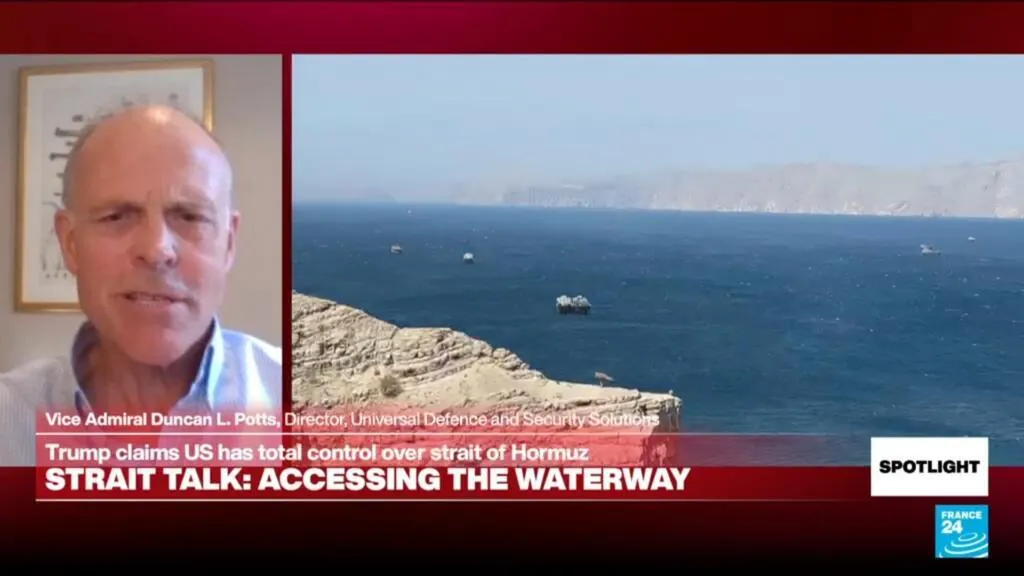
The Strait of Hormuz is one of the world's most strategically important shipping lanes, through which a significant portion of global oil and gas supplies pass. Military activity in the region has drawn international concern over potential disruptions to energy markets and global trade.
Eide was careful to distinguish between NATO as an institution and individual member states that may have their own bilateral engagements related to the conflict. The alliance operates by consensus, meaning any formal NATO role would require broad agreement across its membership.
European role under scrutiny
The minister's assertion that Europe is "doing its part" in the Hormuz Strait points to ongoing naval and security operations in the region. However, he stopped short of describing those efforts as alignment with any warring party, instead positioning them as contributions to international maritime security.
Norway, as a major oil and gas exporter with significant maritime interests, has a particular stake in stability across global shipping routes. Eide's comments may also reflect domestic political considerations, as Norwegians are broadly cautious about foreign military entanglements.
The statements come as allied governments face increasing pressure to clarify their positions on the Iran conflict and define the limits of their commitments in the Middle East.