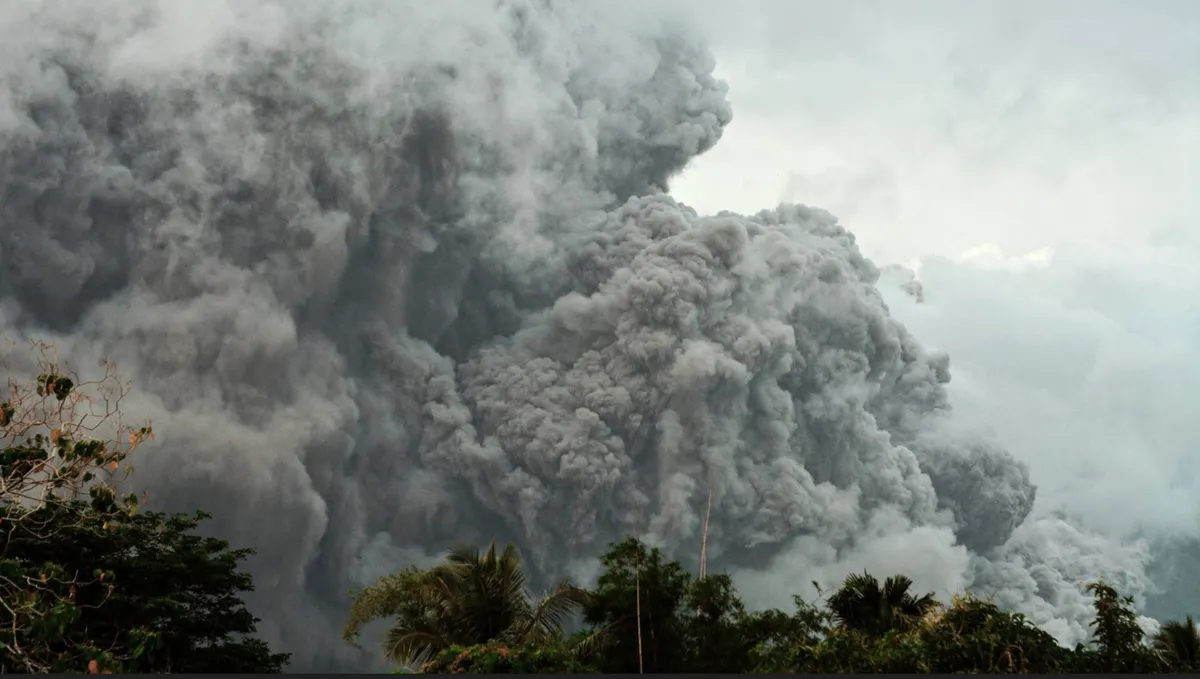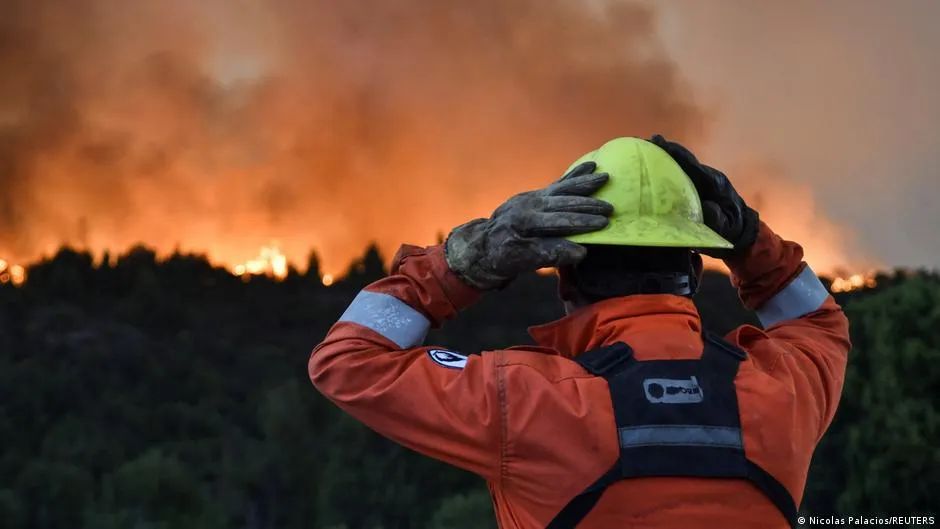
Buckle up, because 2026 is shaping up to be the year the planet decided to run a stress test on itself - with fire. According to a report from DW, more than 150 million hectares have already burned globally in the first months of 2026. For the geographically challenged among us, that is more than twice the entire size of Texas. Gone. Crispy. Smoked.
And here is the kicker: scientists warn this could just be the warm-up act.
El Nino is lurking in the wings
A supercharged El Nino event - the climate phenomenon responsible for disrupting weather patterns across entire hemispheres - is reported to have a high probability of developing in the second half of 2026, according to the DW report. El Nino typically brings hotter, drier conditions to large parts of the world, which in fire terms translates roughly to "someone left the oven on and also there is a drought."
When you combine an already record-scorching 2026 with the potential arrival of a strong El Nino, climate scientists are raising serious alarm bells about what the rest of the year could look like for fire-prone regions including South America, Southeast Asia, Southern Europe, and parts of Australia.
The numbers are genuinely staggering
To put 150 million hectares into some kind of brain-friendly context:
- That is roughly 1.5 billion football fields worth of burned land
- It exceeds the combined area of several European countries
- And again - this is just through the early months of the year
Scientists have been warning for years that rising global temperatures create longer, more intense fire seasons. The data coming out of early 2026 suggests those warnings were, if anything, conservative.
So what happens next?
The DW report indicates that if El Nino does materialize with the strength currently being projected, the second half of 2026 could see fire activity significantly surpass what has already been recorded. Regions dependent on monsoon rains or seasonal moisture could see those weather patterns disrupted, drying out vegetation and extending fire conditions well into periods that historically offered some relief.
Firefighting agencies, governments, and communities in vulnerable regions are being urged to prepare now rather than react later - a concept that, historically speaking, humanity has had a complicated relationship with.
The planet is hot, getting hotter, and apparently has access to a very large box of matches. The second half of 2026 will be a critical test of whether global preparedness has kept pace with global warming - and early indicators suggest we really should have studied harder.
Source: DW