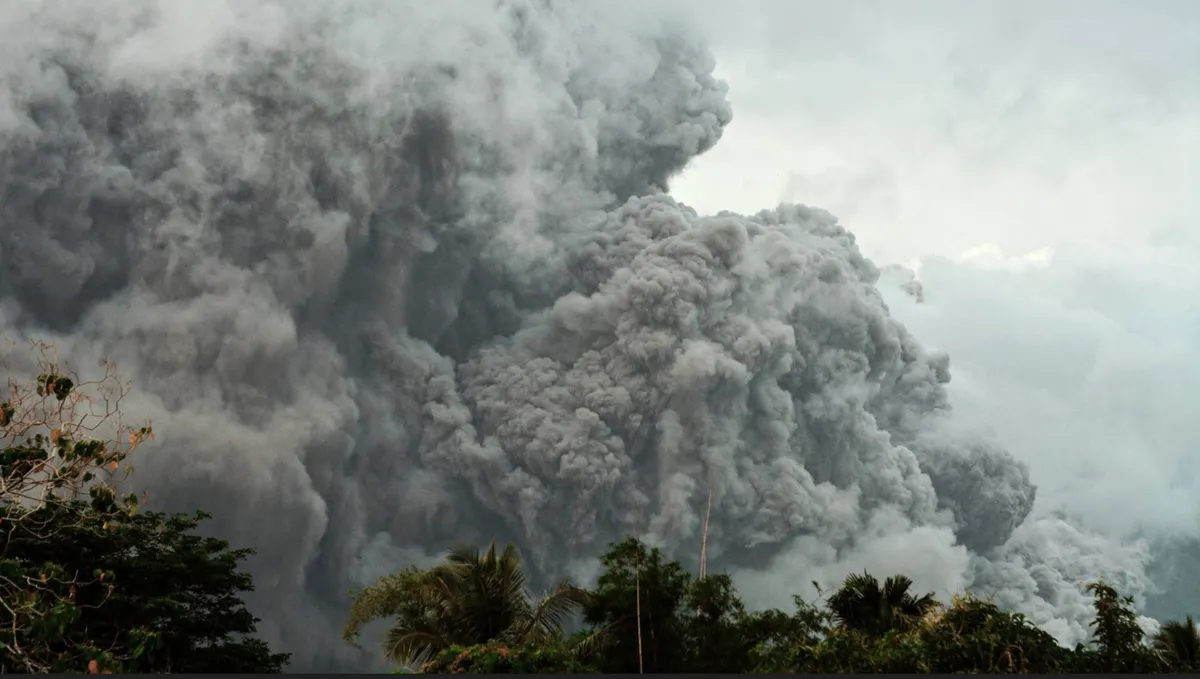
If you were planning a nice outdoor brunch in the Bicol region of the Philippines this week, bad news: the sky has other plans. Mayon Volcano has erupted once again, sending a towering plume of ash and debris skyward and coating the surrounding area in what can only be described as nature's least fun snow day, according to Al Jazeera.
The most active volcano in the Philippines strikes again
Mayon, which sits in the Albay province of the Bicol region in Luzon, is no stranger to the spotlight. It holds the title of the most active volcano in the Philippines and has erupted over 50 times in recorded history. This latest eruption sent ash billowing across the sky, turning daylight into an eerie grey curtain for communities living in its shadow.

Footage shared online shows the dramatic ash cloud rising from Mayon's famously symmetrical cone - a cone so geometrically perfect that volcanologists practically write love poems about it. Unfortunately, what goes up must come down, and in this case, what came down was a thick layer of volcanic ash blanketing roads, rooftops, and probably someone's freshly washed laundry.
Not just a bad hair day - ash fallout is serious business
Volcanic ash isn't the fluffy, charming stuff you see in disaster movies. It's actually tiny jagged particles of pulverized rock and glass that can damage lungs, destroy crops, clog engines, and make driving essentially a death wish. Residents in affected areas are typically advised to stay indoors, wear masks if venturing out, and avoid anything that might expose them to prolonged ash inhalation.
The Philippine Institute of Volcanology and Seismology (PHIVOLCS) routinely monitors Mayon and issues alert levels that guide evacuation and safety decisions. The agency has long maintained exclusion zones around the volcano's slopes given the ever-present risk of pyroclastic flows and lahars - fast-moving rivers of volcanic debris that are exactly as terrifying as they sound.
Living next to a geological diva
Despite the danger, hundreds of thousands of people live within range of Mayon, many of whom have deep ties to the fertile volcanic land. The same eruptions that threaten communities also enrich the soil over time, creating agricultural conditions that keep people rooted - sometimes literally - to this extraordinary but unpredictable landscape.
As of this report, details on casualties, evacuation orders, or the current alert level were not specified in the Al Jazeera coverage. Authorities and residents in Bicol will be monitoring the situation closely as Mayon continues to remind everyone who the real boss of the region is.