If you thought Europe's energy headaches were bad after Russia's invasion of Ukraine, well, buckle up - because now there's a war in Iran throwing fuel on the fire too, and the EU's top climate official is done playing it safe.
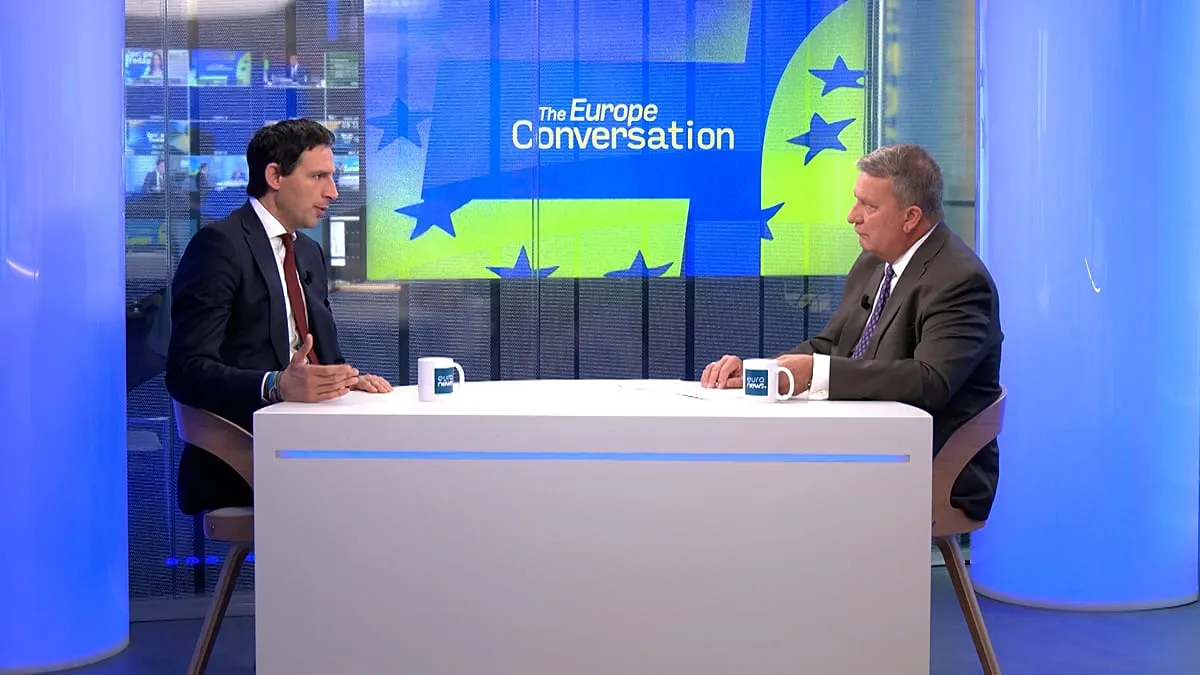
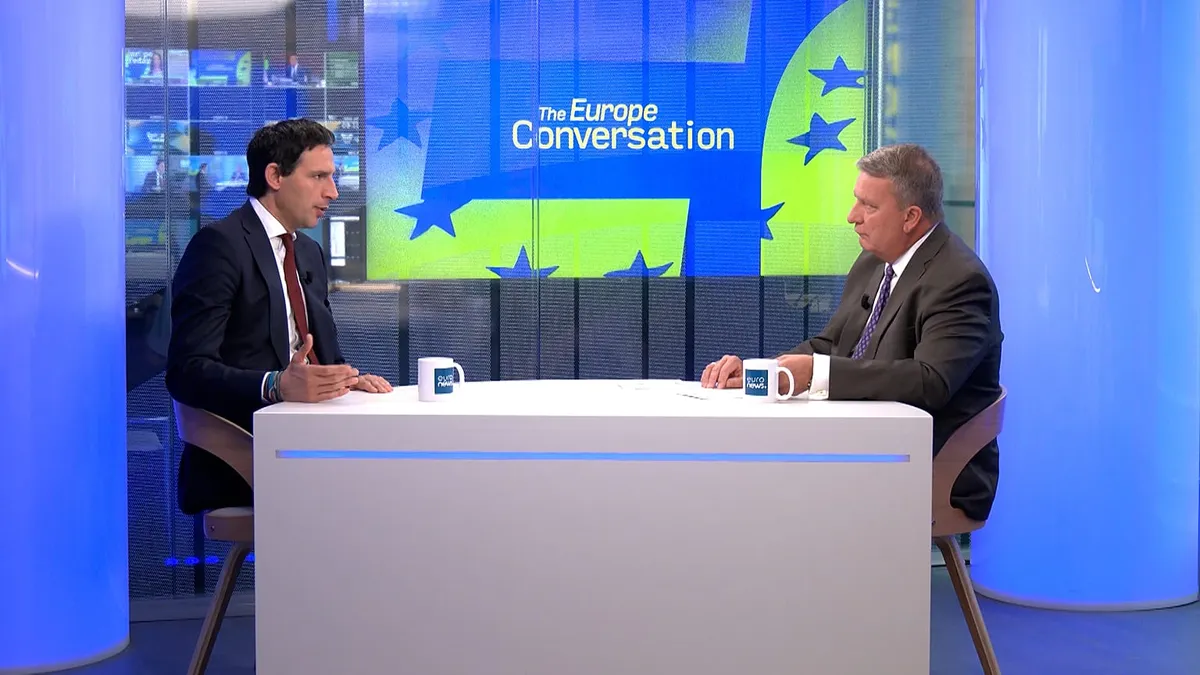
EU Climate Commissioner Wopke Hoekstra told Euronews in no uncertain terms that the bloc needs to get significantly more aggressive about producing its own energy. The message, stripped of diplomatic padding, is basically: stop depending on volatile regions for your power supply, or keep paying the price every time a geopolitical crisis erupts somewhere on the map.
"We owe it to our citizens and our companies," Hoekstra told Euronews, making the case for a bold pivot toward homegrown energy solutions.
So what does "more radical" actually mean?
According to Hoekstra's comments to Euronews, the path forward runs squarely through domestic energy production - meaning more investment in European-sourced renewables, infrastructure, and the kind of energy independence that means a war thousands of kilometres away does not automatically translate into Europeans panic-buying gas.
The dual pressure from the conflicts in Ukraine and Iran has exposed just how fragile Europe's energy supply chains remain, even after the scramble to diversify that followed the Russian gas cut-offs. The lesson, apparently, has not fully landed yet - at least not radically enough for the Commissioner's liking.
The political tightrope
Getting "more radical" on energy is, of course, easier said than done in a 27-member bloc where every country has its own energy mix, its own economic pressures, and its own definition of what "homegrown" even means. Some member states lean heavily on nuclear, others on wind and solar, and a few are still quietly attached to coal in ways that make climate advocates visibly twitch.
Hoekstra's push comes at a moment when European households and businesses are already straining under elevated energy costs - which gives the call for boldness both urgency and political weight. Nobody needs to be convinced that cheaper, more reliable energy would be nice. The fight is always over how to get there.
The bottom line
Europe has been here before - shocked into action by an energy crisis, only to slowly drift back toward old habits once prices stabilize. Hoekstra's message, as reported by Euronews, seems designed to head off exactly that kind of complacency. Whether EU member states respond with the radicalism he is calling for, or settle for incremental half-measures, is the question that will define European energy policy for the next decade.
One thing is clear: the era of cheap, easy energy imports from politically convenient partners is well and truly over. Europe is going to have to grow its own - the only real debate is how fast.