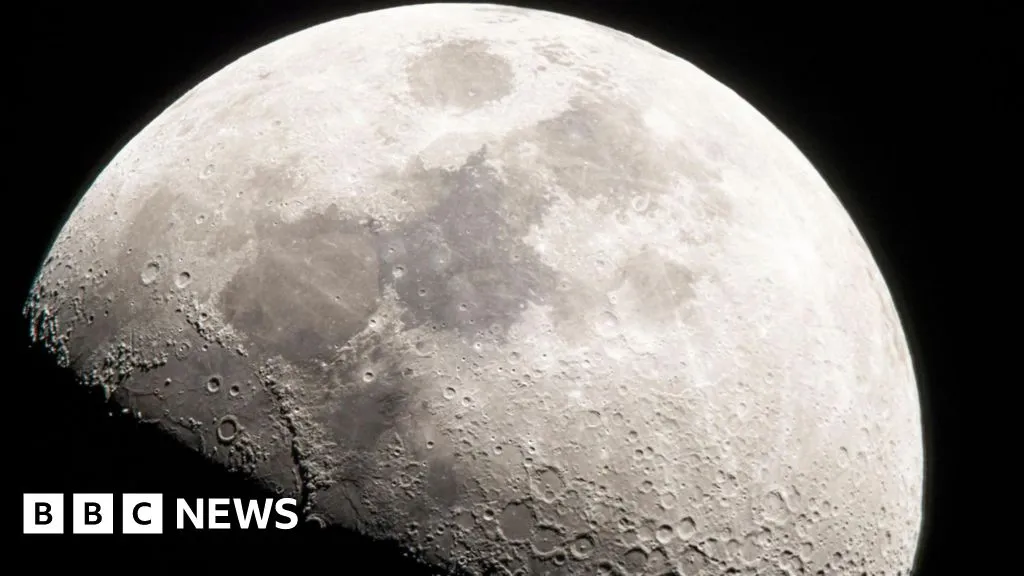
NASA has just revealed its roadmap for turning the Moon from a giant grey rock we visited a few times in the 70s into an actual permanent human outpost - and it involves some genuinely cool hardware.
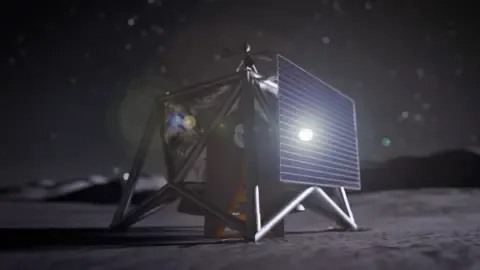
According to a report from the BBC, the agency has outlined plans that include deploying hopping drones and roving vehicles on the lunar surface as foundational steps toward establishing a long-term base. Yes, hopping drones. On the Moon. We are truly living in the future that comic books promised us.
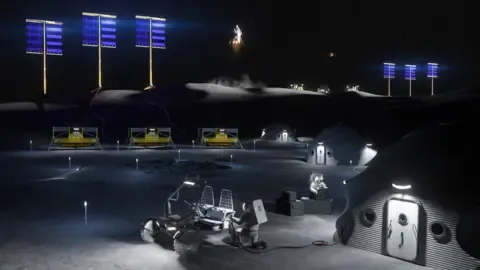
So what exactly is NASA planning?
The agency's vision centers on building the kind of sustained infrastructure that would allow humans to actually live and work on the Moon for extended periods - not just plant a flag, do a moonwalk (the literal kind), and come home to a ticker-tape parade. The hopping drones and roving vehicles are expected to play crucial roles in scouting terrain, transporting equipment, and generally doing the dangerous legwork before humans arrive in force.
Think of it like sending your Roomba to clean the apartment before you move in, except the apartment is the Moon and the Roomba can hop across craters.
Why does this matter beyond being extremely cool?
A permanent Moon base would represent a seismic shift in humanity's relationship with space. The Moon is increasingly viewed as a strategic staging point for deeper solar system exploration - essentially a gas station and waypoint for future missions to Mars and beyond. There is also the small matter of lunar resources, including water ice deposits near the poles, which could be converted into rocket fuel or drinking water.
NASA's Artemis program has been the broader umbrella for these lunar ambitions, though the program has faced its share of budget pressures and timeline slippage in recent years. These newly unveiled next steps suggest the agency is still pushing forward despite the fiscal headwinds.
The competition is very real
It would be naive not to mention that NASA is not operating in a vacuum here (space pun absolutely intended). China has its own ambitious lunar program and has explicitly stated goals of establishing a presence on the Moon. The race to build the first permanent lunar outpost carries enormous geopolitical weight, not just scientific prestige.
Whether NASA has the funding, political will, and timeline to pull this off remains an open question. But the vision - hopping drones, roving robots, and eventually humans living on another world - is the kind of thing that makes you remember why space exploration exists in the first place.
More details are expected as the agency continues to develop and publish its lunar architecture plans.