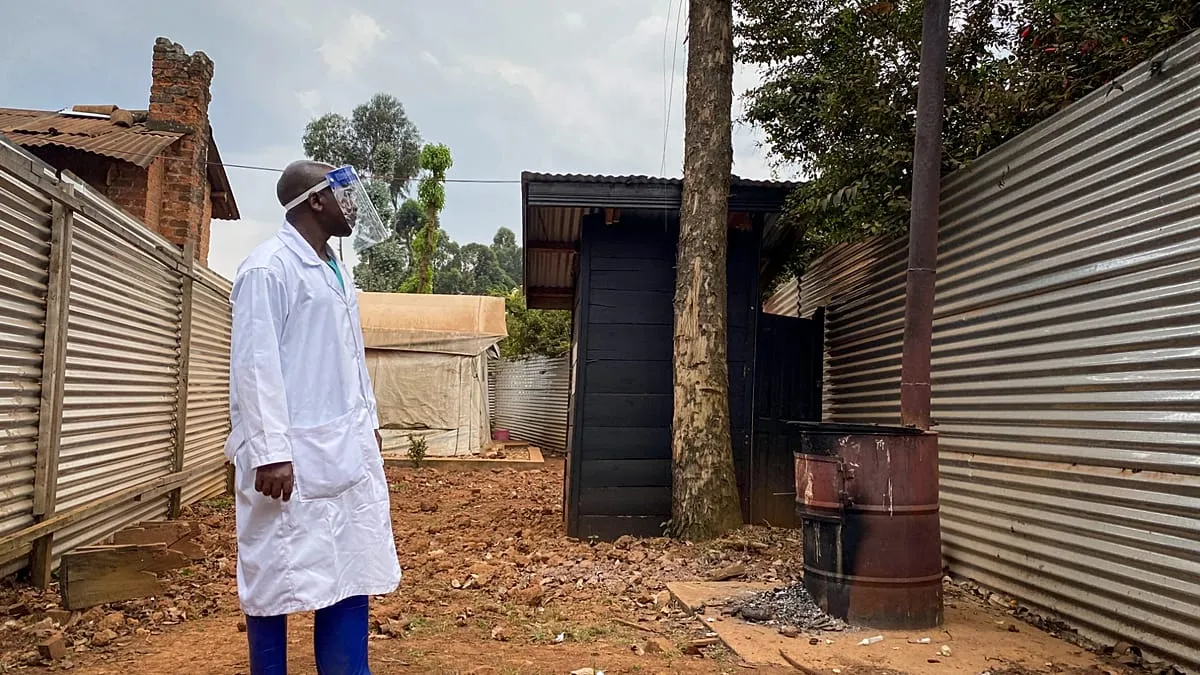
In what is absolutely nobody's idea of a good Tuesday, an American doctor working in the Democratic Republic of Congo contracted Ebola and had to be emergency-evacuated to Germany in serious condition - and by the time the plane came, things were already looking grim.
Dr. Peter Stafford, who had been working in the DRC as part of ongoing efforts to combat one of the world's most terrifying viruses, tested positive for Ebola and deteriorated rapidly before his medical evacuation, according to reporting by The Independent. Colleagues who witnessed his departure described him as looking "really tired" and "really sick," struggling to walk on his own and needing to hold onto officials in full personal protective equipment just to stay on his feet.

From the front lines to a stretcher
Stafford was working in an area of Congo where Ebola outbreaks have continued to pose a deadly threat. The DRC has historically been ground zero for Ebola, having experienced more outbreaks than any other country since the virus was first identified near the Ebola River in 1976. Healthcare workers operating in these regions accept extraordinary risks as part of the job - and sometimes, tragically, those risks materialise.
He was flown to Germany for treatment, which is standard protocol for high-risk infectious disease cases involving Western nationals. Specialised facilities in Germany and other European countries are equipped with high-level isolation units designed to treat patients with dangerous pathogens while preventing any spread.
How bad is it, exactly?
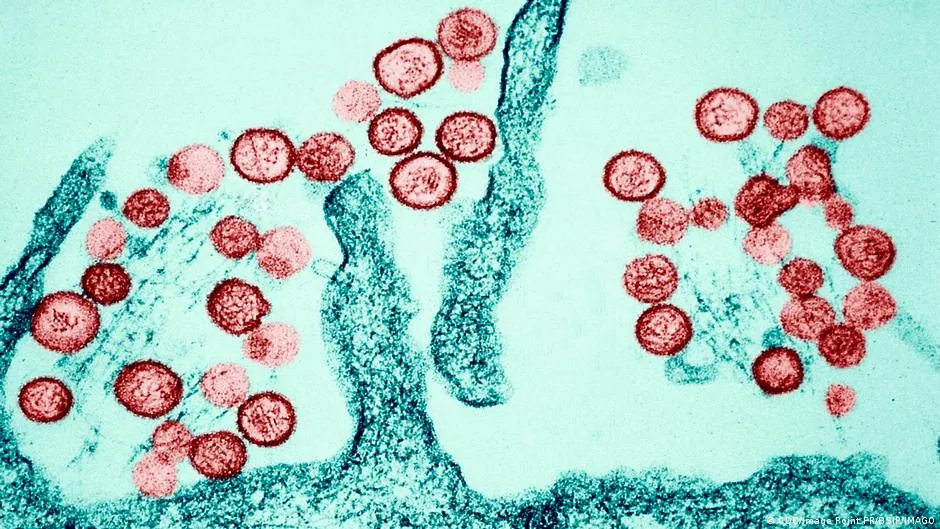
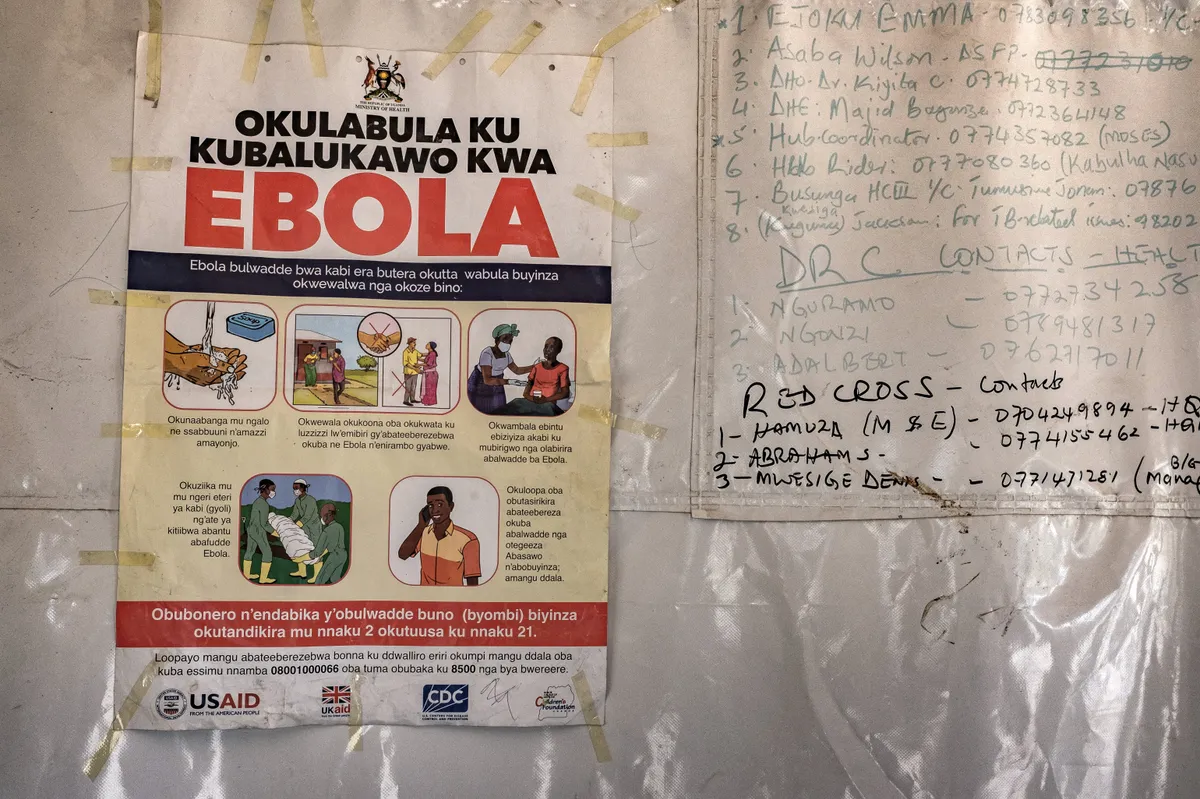
Ebola is not a virus you want to mess with. Without treatment, case fatality rates can reach up to 90%, though modern medical interventions - including antiviral drugs like Inmazeb and Ebanga, both approved in recent years - have significantly improved survival odds when administered early. The fact that Stafford was evacuated quickly is likely critical to his prognosis.
His condition at departure - barely able to stand, visibly exhausted - underlines just how fast the virus can knock a person down. Ebola symptoms typically begin within 2 to 21 days of exposure and escalate quickly, progressing from fever and fatigue to more severe hemorrhagic symptoms.
The bigger picture
This case is a stark reminder that Ebola hasn't gone anywhere. The DRC has been battling outbreaks intermittently for decades, and international health workers continue to operate in these zones at enormous personal risk. Their work is what stands between contained outbreaks and potential international emergencies.
As of the time of reporting, Stafford's current condition has not been publicly confirmed. Here's hoping the specialists in Germany have better news soon.