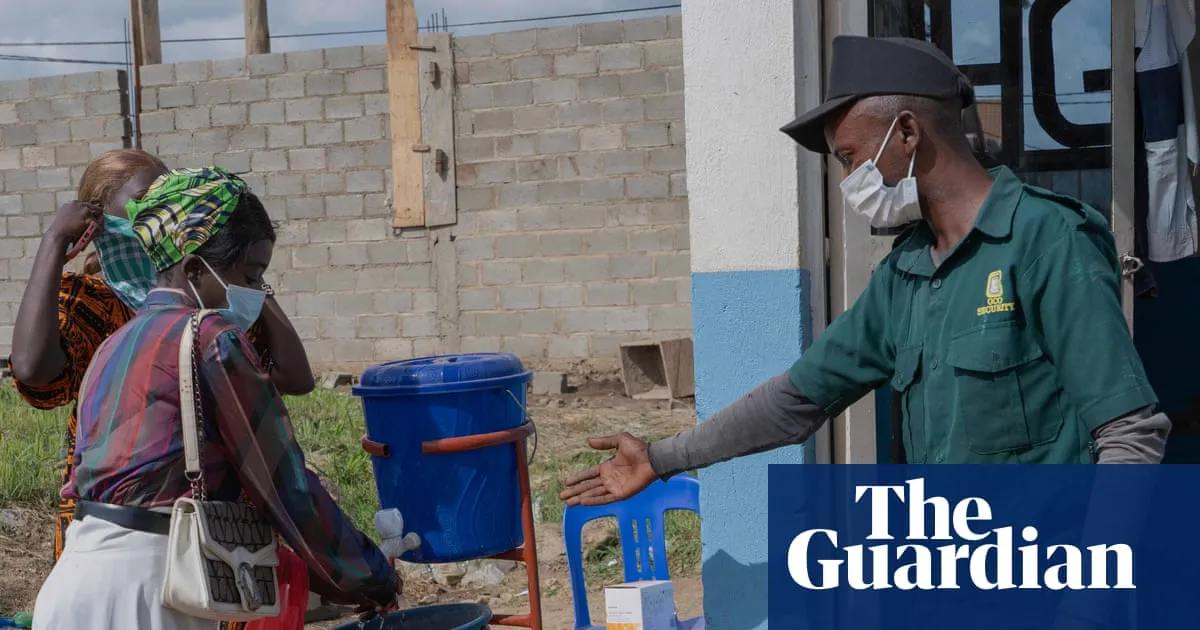
If you thought 2025 was rough, buckle up - because eastern Democratic Republic of the Congo is now dealing with a fresh Ebola outbreak, and this time the disease has brought its least cooperative cousin: the Bundibudyo strain, for which no approved vaccine currently exists.
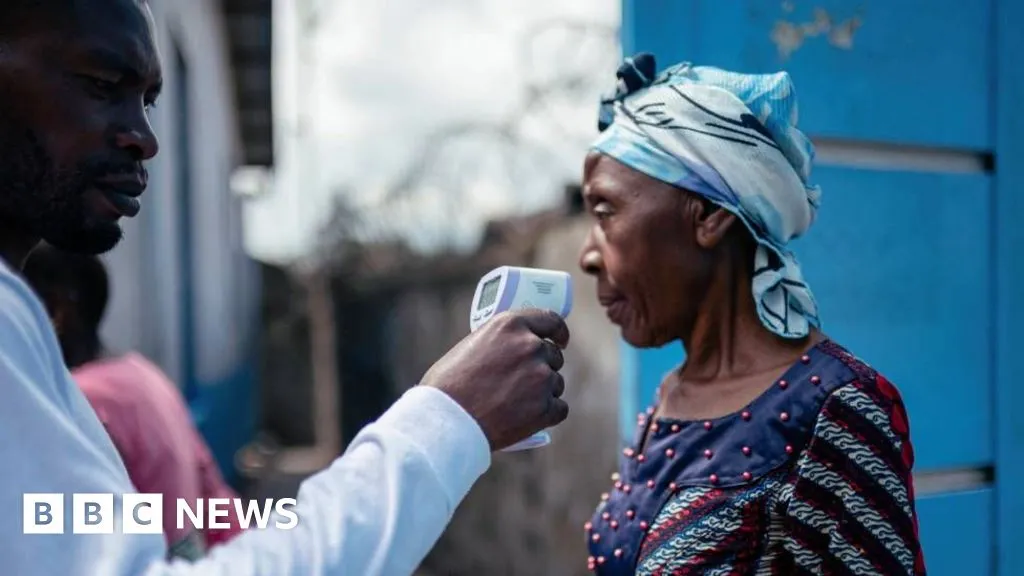
According to a report by The Guardian, cases have been reported in and around Mongbwalu, a mining town in the Ituri province of eastern DRC. The outbreak has sent shockwaves through the community - and not just through WhatsApp groups. Panic is reportedly spreading in bars, on public transport, and at mass gatherings, as people grapple with the terrifying reality of facing Ebola without a working vaccine on hand.
"Everyone is talking about Ebola"
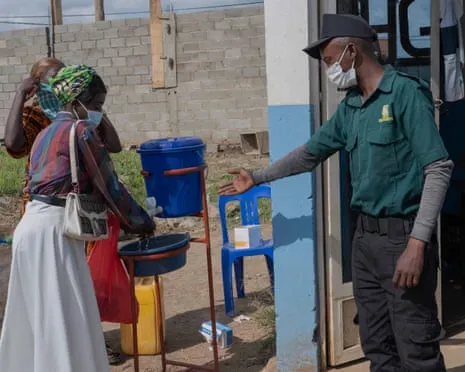
Gloire Mumbesa, a 38-year-old resident of Mongbwalu, described the mood to The Guardian: "On public transport, in bars and at mass gatherings, everyone is talking about Ebola." He added that the absence of a vaccine for the Bundibudyo strain is fueling deep anxiety about how far the disease could spread. "The fear is that this disease may spread to many others," he said.
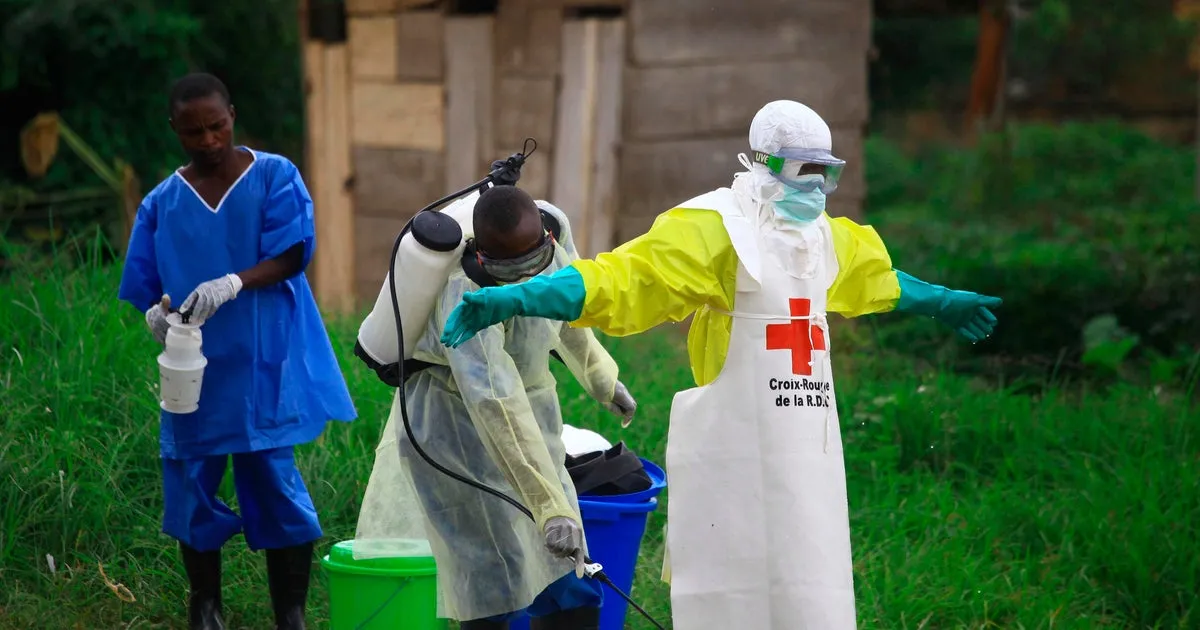
That fear is not irrational. The DRC has battled multiple Ebola outbreaks over the decades, including a catastrophic 2018-2020 outbreak in the country's east that killed more than 2,200 people - the second deadliest Ebola outbreak in recorded history. The region has barely had six years to catch its breath.
Why this outbreak is different
Previous outbreaks were largely combated using the rVSV-ZEBOV vaccine (brand name Ervebo), which targets the Zaire strain of Ebola. The Bundibudyo strain is a different beast entirely, and as of this outbreak, there is no widely available, approved vaccine targeting it specifically. This is the public health equivalent of showing up to a sword fight with a knife - technically a weapon, but not quite right for the situation.
Beyond the immediate health crisis, residents are also dreading the economic fallout. Mongbwalu is a mining town, and outbreaks historically trigger movement restrictions, supply chain disruptions, and the kind of economic freeze that can linger long after the disease itself is brought under control.
What happens next
Health authorities in the DRC and international organizations including the WHO are expected to respond, though The Guardian report does not yet confirm the full scale of the mobilization underway. The situation remains developing, and the difference between a contained outbreak and a regional catastrophe often comes down to the speed of that response.
For the people of Ituri, that speed cannot come soon enough.