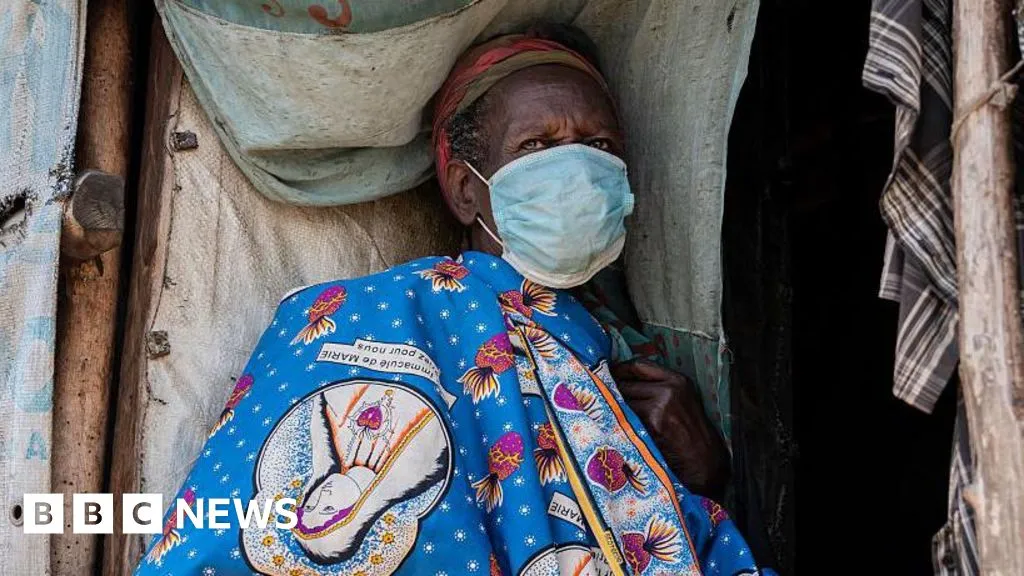
If you were hoping for good news today, maybe skip this one - because the Ebola outbreak currently tearing through the Democratic Republic of Congo is, by measurable historical standards, the worst start to any outbreak ever recorded.
That's not dramatic hyperbole. That's the assessment of Médecins Sans Frontières (MSF), the international medical charity that knows a thing or two about disease outbreaks. According to BBC News, MSF has warned that never before in the history of recorded Ebola outbreaks has so many cases appeared so quickly after an outbreak was officially declared. Let that sink in for a second.
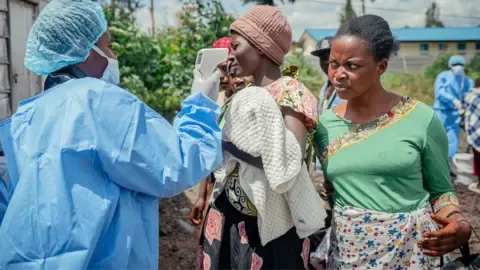
So how bad is it, exactly?
Bad enough that WHO Director-General Tedros Adhanom Ghebreyesus personally traveled to the worst-affected area to assess the situation on the ground - which is not exactly the kind of trip you take when things are going fine. The visit underscores just how seriously global health authorities are taking the escalating situation.
MSF's use of the word "alarming" is doing a lot of heavy lifting here, but it's warranted. The speed of transmission in this outbreak is outpacing historical comparisons, raising serious concerns about containment efforts in a region already stretched thin by conflict, instability, and limited healthcare infrastructure.

Why is DR Congo always dealing with this?
The DRC has the unfortunate distinction of being Ebola's most frequent host nation. The country has battled multiple outbreaks over the decades, including the catastrophic 2018-2020 outbreak in North Kivu that killed over 2,000 people. The combination of dense forested regions where the virus circulates in animal populations, ongoing armed conflict, and deeply strained public health systems creates conditions where outbreaks can ignite quickly and spread before responders can get ahead of them.
What's being done?
International health organizations including the WHO are mobilizing responses, and vaccination tools that didn't exist during earlier outbreaks are now available - which is genuinely good news. But as MSF's warning makes clear, the speed of this outbreak means the window to get ahead of it may be narrowing fast.
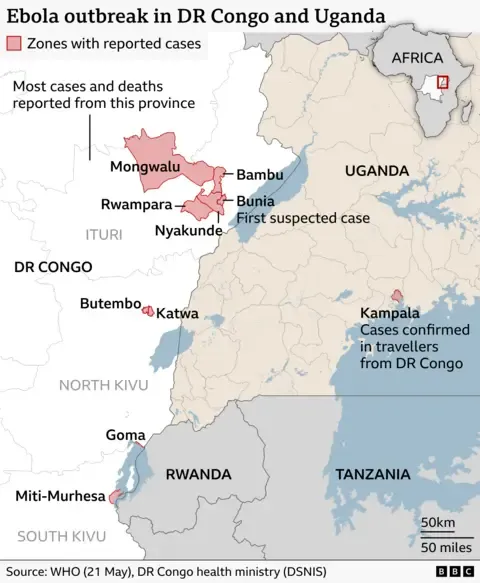
The situation is being closely monitored by global health authorities, and the WHO chief's on-the-ground visit signals this is being treated with the urgency it deserves.
This is a developing story. Article is based on reporting by BBC News.