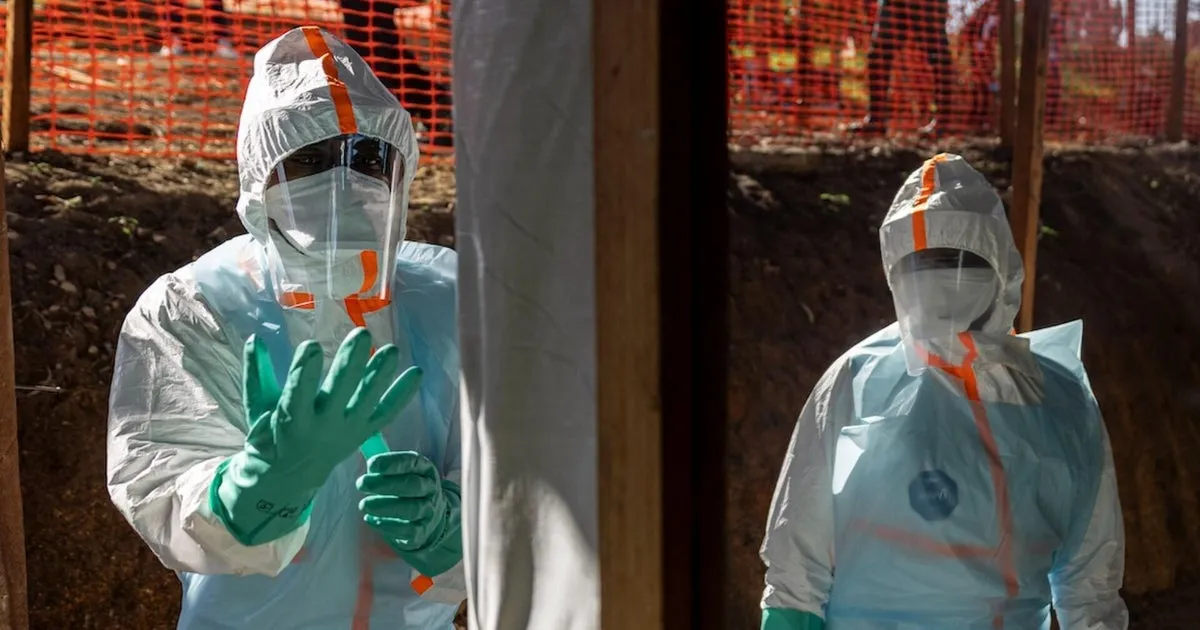
Well, here is your anxiety fuel for the day. According to a report by CBS News correspondent Ramy Inocencio, the International Rescue Committee (IRC) is now warning that the current Ebola outbreak in central Africa may have been quietly spreading since as early as January - completely undetected. That is, for context, several months of potential exposure before anyone raised the alarm.
The silent spread nobody caught
The IRC's assessment suggests the outbreak did not simply appear out of nowhere in recent weeks. Rather, it may have been simmering in the background for months, slipping past health surveillance systems in a region where monitoring resources are stretched dangerously thin. This kind of delayed detection is not just a bureaucratic failure - it means contact tracing becomes exponentially harder, and containment windows shrink fast.
Ebola, for those who need a quick refresh, is a hemorrhagic fever virus with fatality rates that can reach up to 90% in untreated cases, according to the World Health Organization. Early detection is not just helpful, it is quite literally the difference between a manageable outbreak and a catastrophic one.
Kenya says 'not in our backyard'
Meanwhile, in a subplot that somehow makes this story even messier, protests have erupted over reported U.S. plans to treat infected American patients in Kenya. CBS News reported that Kenyan citizens took to the streets over the proposal, with demonstrators expressing serious concern about importing cases into their country.
It is a tension that echoes debates seen during previous outbreaks - the rights and needs of infected nationals versus the fears and sovereignty of host nations. Kenya has not been part of the active outbreak zone, so the prospect of flying patients there has understandably not gone down well locally.
What happens next
International health organizations are now scrambling to get a clearer picture of just how widely the virus may have spread during those potentially undetected months. The IRC's warning underscores a chronic problem in global health security - surveillance gaps in under-resourced regions allow outbreaks to gain serious momentum before the world even knows they exist.
This is not a drill, and it is not a new problem. But the combination of a potentially months-long head start and mounting geopolitical tensions around patient treatment does not exactly inspire confidence that this one is going to be simple to manage.
We will be watching this one closely. CBS News, citing the IRC's assessment and correspondent Ramy Inocencio's reporting, first brought these details to wider attention.