Humanity spent decades trying to crack malaria. Now that we finally have vaccines that actually work, the real enemy turns out to be budget spreadsheets.
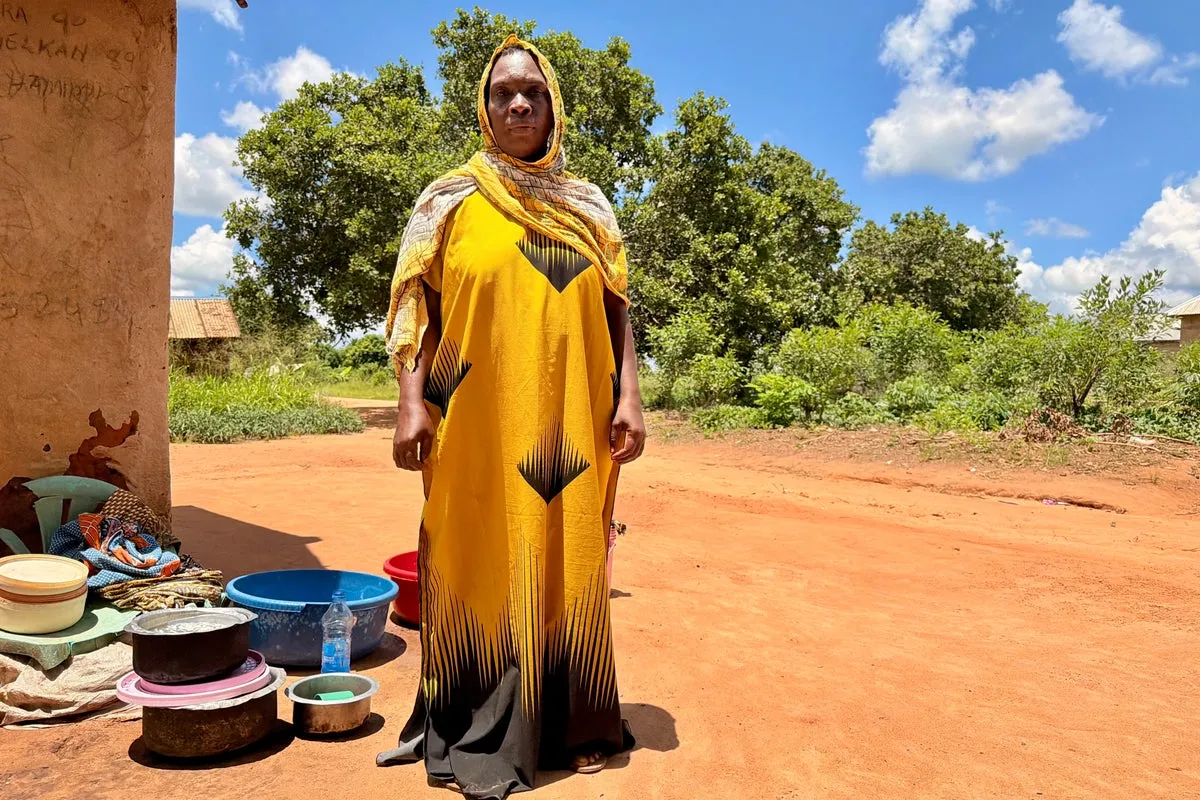
For World Malaria Day, The Independent's Nick Ferris traveled to Tanzania to see firsthand what pioneering malaria vaccine trials look like on the ground - talking to the clinicians running the programs and the villagers whose children's lives depend on them. What he found was a mixture of genuine medical hope and very real dread about what happens next.
The good news, while it lasts
Malaria still kills around 600,000 people every year, the overwhelming majority of them children under five in sub-Saharan Africa. For a disease that's been around since before recorded history, that number is both horrifying and - increasingly - preventable. New vaccine candidates are showing serious promise in trials, building on the momentum of the RTS,S vaccine that became the first broadly approved malaria vaccine in 2021. Scientists and clinicians on the ground in Tanzania are genuinely excited about where the science is heading.
That excitement, however, is increasingly tempered by anxiety over funding. According to reporting by The Independent, researchers involved in these programs are "deeply worried" about the impact of shrinking international aid on their work. And those worries are not abstract - they are about timelines, supply chains, and whether hard-won trial infrastructure will simply be switched off before it can deliver results.
The aid problem, in plain terms
Global health programs, including malaria vaccine rollouts, depend heavily on international aid from wealthy nations. With multiple major donor governments cutting foreign aid budgets - the UK slashed its aid spending to 0.5% of gross national income, and the Trump administration has taken a sledgehammer to USAID - the funding environment for programs like these has deteriorated sharply.
The cruel irony is almost poetic in the worst possible way: the scientific tools to prevent hundreds of thousands of deaths are sitting right there, and the barrier is not a research problem. It is a political will problem dressed up as a fiscal one.
What the people on the ground are saying
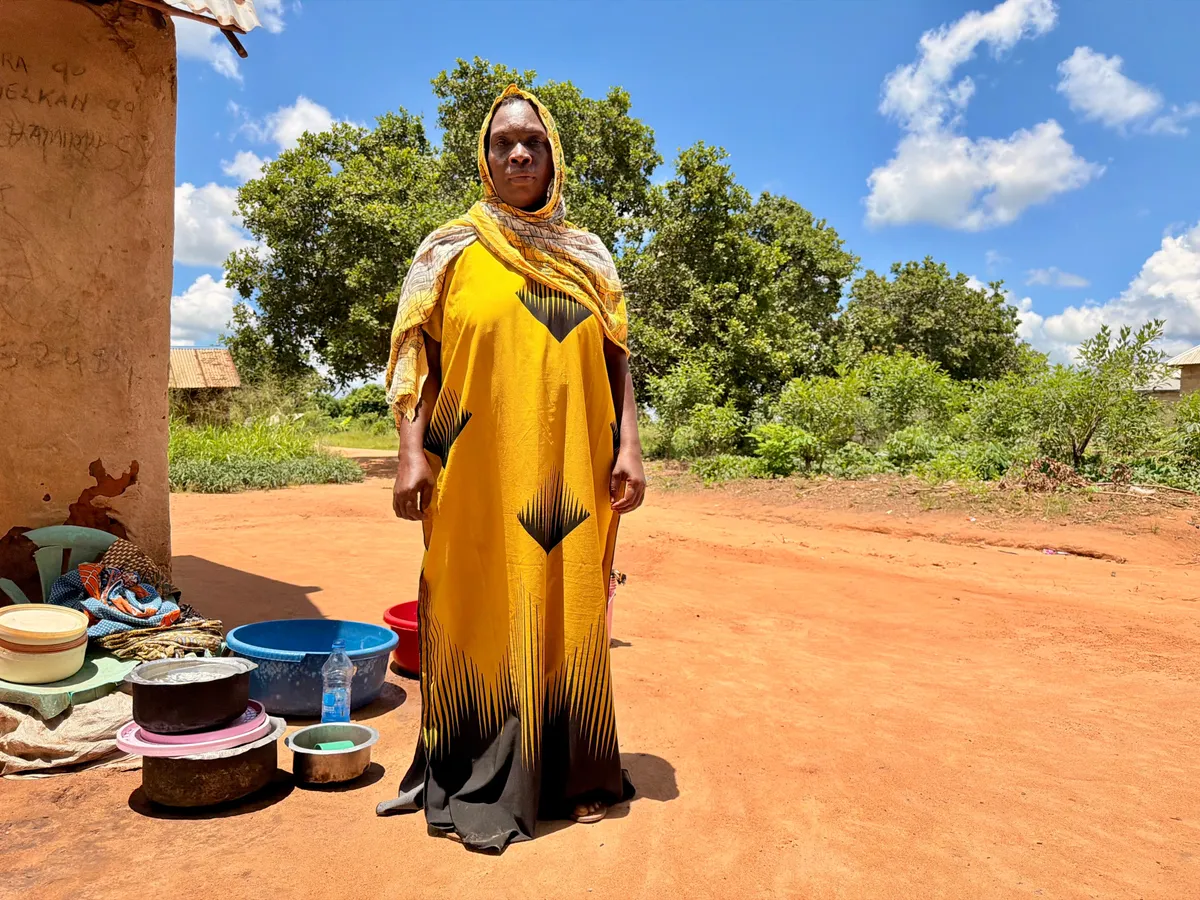
Ferris's reporting makes clear that for the villagers and clinicians in Tanzania, this is not a policy debate - it is personal. These are communities that have watched malaria kill children for generations, who are now participating in trials that could change that, and who are acutely aware that their participation means nothing if the programs get defunded before vaccines reach them at scale.
Scientists, as The Independent reports, are not mincing words about their concern. The progress is real. The threat to that progress is equally real.
Six hundred thousand deaths a year is the kind of number that sounds almost too large to process. But if we have vaccines and choose not to fund their rollout, it stops being a tragedy and starts being a decision.