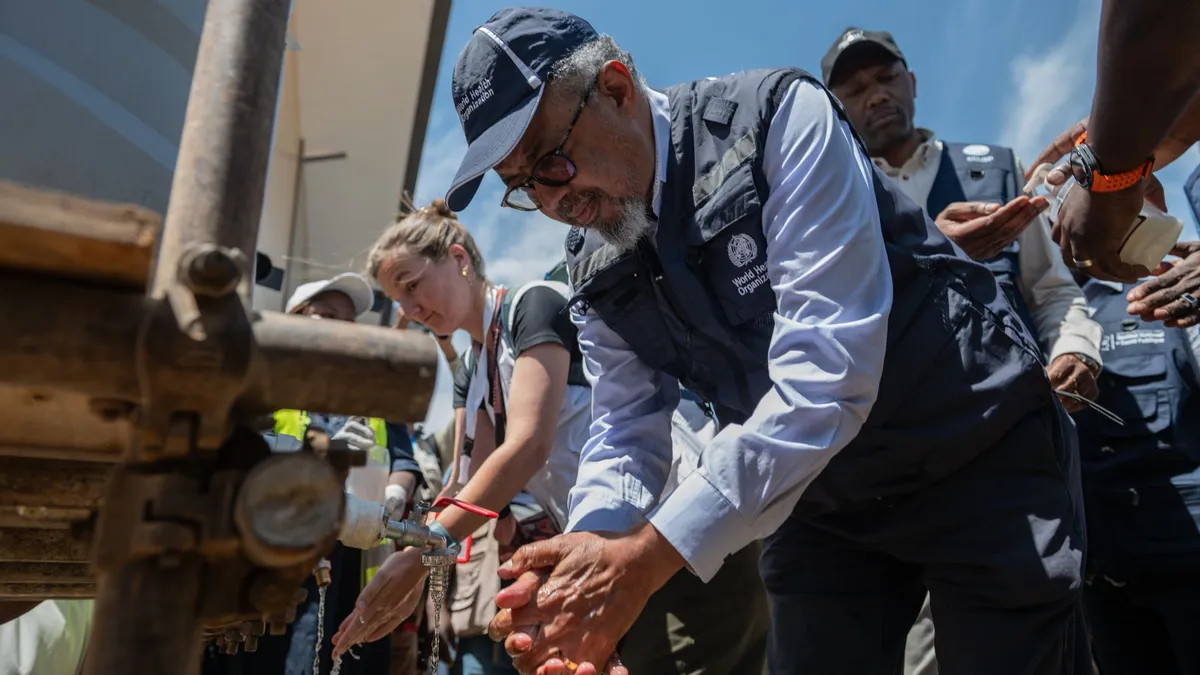
If you were looking for a sign that the Ebola situation in the Democratic Republic of Congo is being taken seriously at the highest levels, here it is: the director-general of the World Health Organisation, Tedros Adhanom Ghebreyesus, has physically flown himself to the epicentre of the outbreak. Not a Zoom call. Not a strongly-worded statement. An actual visit - to the province taking the hardest hits.
What's happening on the ground in DRC?
According to Sky News, Tedros traveled to the worst-affected province in the DRC to deliver a message directly to residents: seek treatment early, and please, please practice safe burials. That second part is not a quirky cultural footnote - it is one of the primary ways Ebola spreads, as the virus remains active in the bodies of those who have died from it. Traditional burial practices that involve touching the deceased have historically been a significant driver of outbreak escalation.
The WHO chief's on-the-ground presence signals that international health authorities are not in "wait and see" mode. They are in "we are very much paying attention" mode.
Meanwhile, Brazil just entered the group chat
As if the DRC situation didn't already have enough drama, Brazilian health authorities are now investigating a suspected Ebola case, Sky News reports. Details remain limited at this stage, and it is critical to note this is a suspected case under investigation - not a confirmed one. But the mere fact that a country in South America is running Ebola diagnostics is the kind of sentence that makes epidemiologists spill their coffee.
Brazil has not historically been part of the Ebola equation, which is exactly why this development is being watched closely, even if health officials urge calm while tests are conducted.
Why this matters beyond the headlines
Ebola is not a new threat, but it is a persistent and brutal one. The DRC has faced multiple outbreaks over the years, and each one is a reminder of how quickly things can escalate without coordinated response efforts, community trust, and rapid access to treatment and vaccines.
The WHO's strategy of putting its top official in the room - literally - is partly about optics, but mostly about accountability and building the kind of local trust that no press release can manufacture.
For now, the world watches, Brazil investigates, and Tedros is somewhere in the DRC doing the job nobody envies but everybody needs done.
Source: Sky News