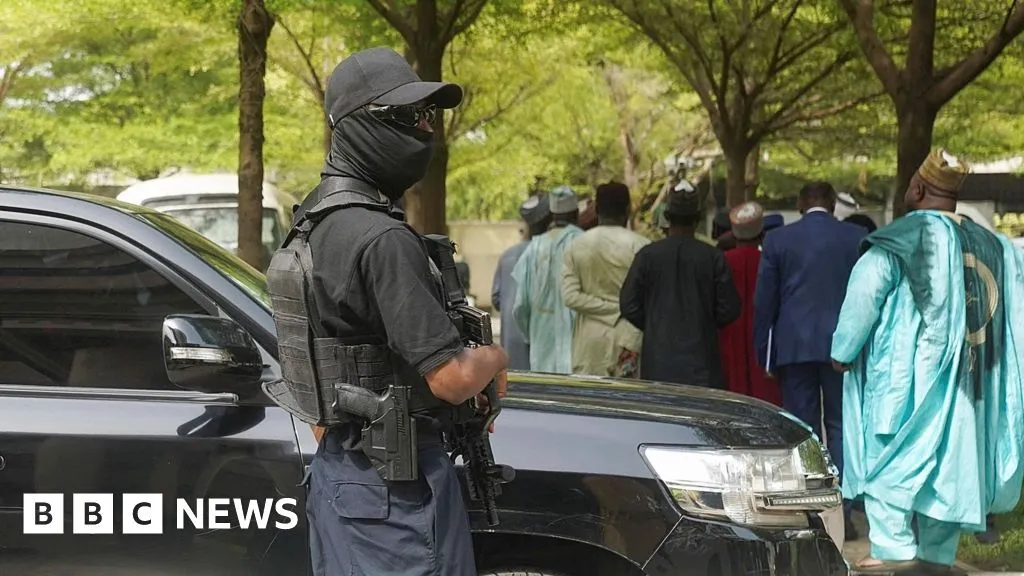
If you sat down to write a thriller about a coup attempt in West Africa, your editor might tell you to tone it down. Money laundering, spiritual rituals, and a Nollywood celebrity arrest? Too much. And yet, here we are.
A BBC investigation, drawing on court documents and sources close to the ongoing inquiry, has pulled back the curtain on what Nigerian authorities are describing as a serious plot to destabilize the country's government. And the details are, frankly, extraordinary.
What we actually know
According to the BBC report, court papers outline a scheme with significant financial muscle behind it. Sources close to the investigation described what they characterized as deliberate and organized efforts to undermine state authority, with money allegedly flowing through channels designed to obscure its origin and purpose - the kind of paper trail that investigators love and conspirators hate.
The alleged plot reportedly also involved prayer sessions - yes, spiritual gatherings - which according to sources were used as cover or coordination points for those allegedly involved. In a country where faith and politics have always been deeply intertwined, this detail lands with particular weight.

Enter Nollywood
The arrest that has set Nigerian social media absolutely ablaze is that of a figure connected to Nollywood, the country's massive and globally recognized film industry. The BBC report confirms an arrest was made, though the specific details of the individual's alleged role are still being worked through the courts. Still, the optics of Nigeria's entertainment world brushing up against an alleged coup conspiracy? That's the kind of crossover nobody asked for.
How big is this thing, actually?
That remains the central question. Nigerian authorities have signaled this is serious, but independent verification of the full scope of the alleged plot is limited. The BBC's reporting is careful to distinguish between what court papers confirm and what sources are claiming - a distinction worth keeping in mind as this story develops.
Nigeria, Africa's most populous nation and largest economy, has a turbulent history with military coups, having experienced several between the 1960s and 1990s. The country returned to civilian rule in 1999, and any credible threat to that stability carries enormous regional implications.
What happens next
The investigation is ongoing, and more court appearances are expected. Whether this unravels as the major conspiracy authorities are framing it as, or something considerably more modest, remains to be seen. For now, Nigerians - and frankly the rest of the world - are watching a story unfold that really does have everything.
Full sourcing and ongoing coverage available via the BBC's original reporting.