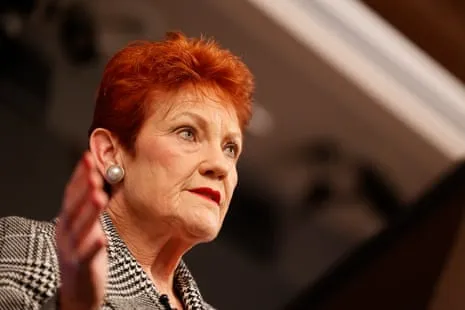
Pauline Hanson has managed to unite economists in alarm after delivering a National Press Club address on Wednesday that, according to reporting by The Guardian, appeared to suggest employers should not be paying women during maternity leave - and floated the idea of family income splitting as a policy direction for One Nation.
Economists were quick to point out that this is roughly the kind of policy platform your grandfather might have sketched on a napkin in 1963, and not in a nostalgic, charming way.
So what exactly did she say?
According to The Guardian, the One Nation leader's address raised eyebrows by seemingly questioning whether employer-funded paid parental leave should exist at all, while also pushing for income splitting between family members - a mechanism that generally benefits single-income households and has long been criticised for discouraging a second earner (read: usually the woman) from entering or returning to the workforce.
Neither position is brand new in conservative political circles, but packaging them together in 2025 and calling it a family policy platform is, as one might say, a choice.
What do the economists say?
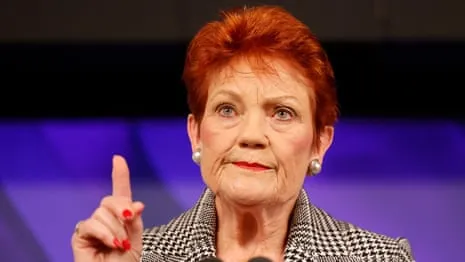
Economists warned that rolling back paid parental leave arrangements and introducing income splitting could cause real damage - to productivity, to workforce participation rates, and to the gender pay gap that Australia has been slowly, painfully trying to close for decades. The concern is not abstract: countries and jurisdictions that have experimented with income splitting have consistently seen women's workforce participation drop as the financial incentive to return to work diminishes.
The broader consensus among labour economists is that paid parental leave - particularly when structured to encourage both parents to take time off - is one of the more effective tools for keeping women attached to the workforce and reducing long-term career penalties for having children.

The bigger picture
Australia has made incremental but measurable progress on closing the gender pay gap and improving conditions for working parents. Any policy shift that discourages employer contributions to parental leave, or that structurally rewards single-income households over dual-income ones, risks unwinding some of that progress.
Hanson's address has reignited a debate that many assumed was largely settled - not because the issues around childcare affordability and parental leave design are not worth discussing (they absolutely are), but because the proposed direction appears to run counter to most of the economic evidence on what actually helps families and the broader economy.
One Nation has not yet released detailed policy costings or a formal platform document outlining these positions, so some specifics remain subject to clarification. The Guardian's reporting is based on the National Press Club address delivered Wednesday.