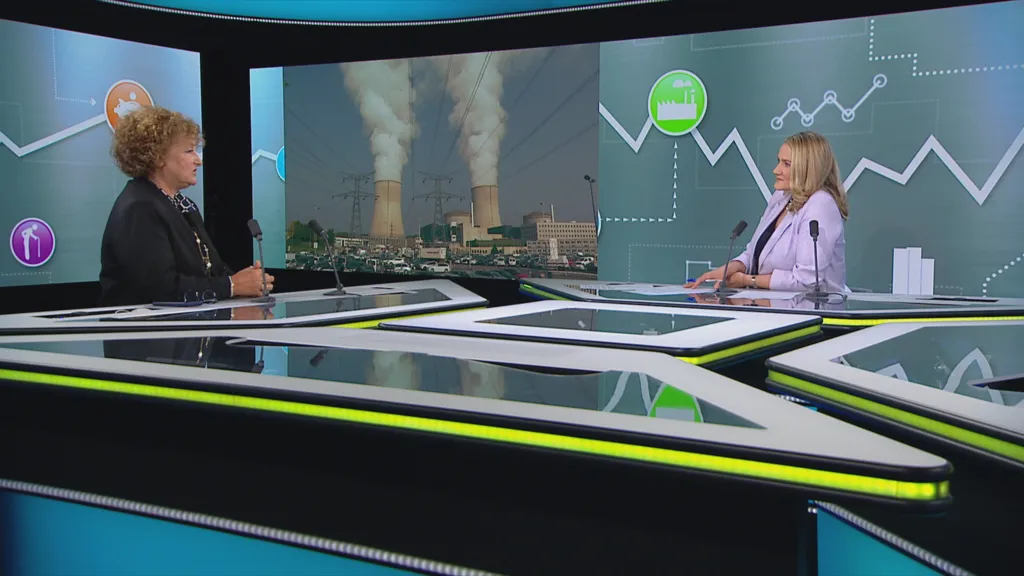
Nothing like a geopolitical crisis to make previously radioactive ideas seem a lot more appealing. As the war with Iran continues to rattle global energy markets, Europe is experiencing what you might call a nuclear renaissance - and the countries doing the most dramatic U-turns deserve some kind of award for ideological flexibility.
According to a France24 report, Sweden, Belgium, and Italy are among the nations rolling back their previous restrictions on nuclear power. Let that sink in. Italy, a country that voted twice in referendums to keep nuclear power out, is reportedly back at the table. Belgium, which had a legally mandated phase-out plan, is apparently having second thoughts. And Sweden is rediscovering the charm of splitting atoms after years of moving in the opposite direction.
France and the UK lead the charge
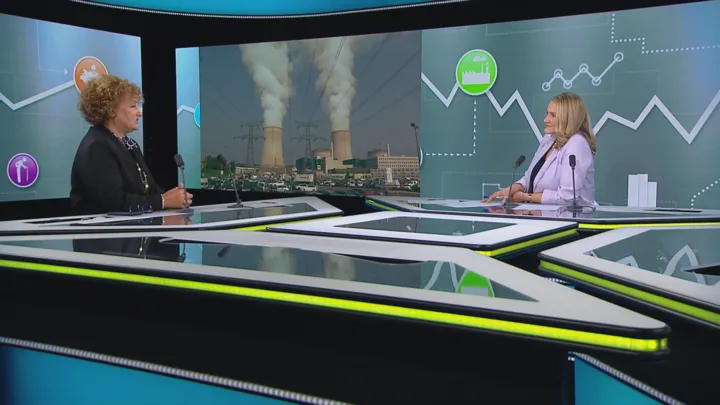
Meanwhile, France and the United Kingdom are not just flirting with nuclear - they are going full speed ahead with new projects. France, which already generates around 70% of its electricity from nuclear sources, is doubling down on what has always been its favorite energy flex. The UK is pursuing new reactor builds as part of a broader push to reduce dependence on volatile fossil fuel markets.
Why now?
The answer, as it so often is in geopolitics, comes down to fear and money. The conflict with Iran has exposed just how fragile Europe's energy supply chains can be when things go sideways in the Middle East. Natural gas prices have swung wildly, and the memory of the post-Ukraine invasion energy crunch is still fresh. Nuclear, for all its baggage, offers something increasingly rare in today's world: predictability.
Proponents argue that modern reactor designs are safer, more efficient, and generate far less waste than the Cold War-era plants that gave the technology its bad reputation. Critics, however, point out that construction timelines for nuclear plants are notoriously long and budgets have a habit of tripling before the first kilowatt is ever generated.
The uncomfortable truth
What this moment really reveals is that Europe's energy strategy has been running on vibes and optimism for years. The assumption that renewables would scale fast enough to cover everything, while Russian gas kept the lights on in the meantime, turned out to be somewhat optimistic. Nuclear power, the technology that environmentalists and politicians spent decades trying to bury, is now being quietly exhumed and asked if it has any plans this decade.
Whether this renewed enthusiasm translates into actual reactors humming away by the 2030s remains to be seen. But one thing is clear: the energy crisis has a way of making ideological purists very practical, very quickly.
Source: France24