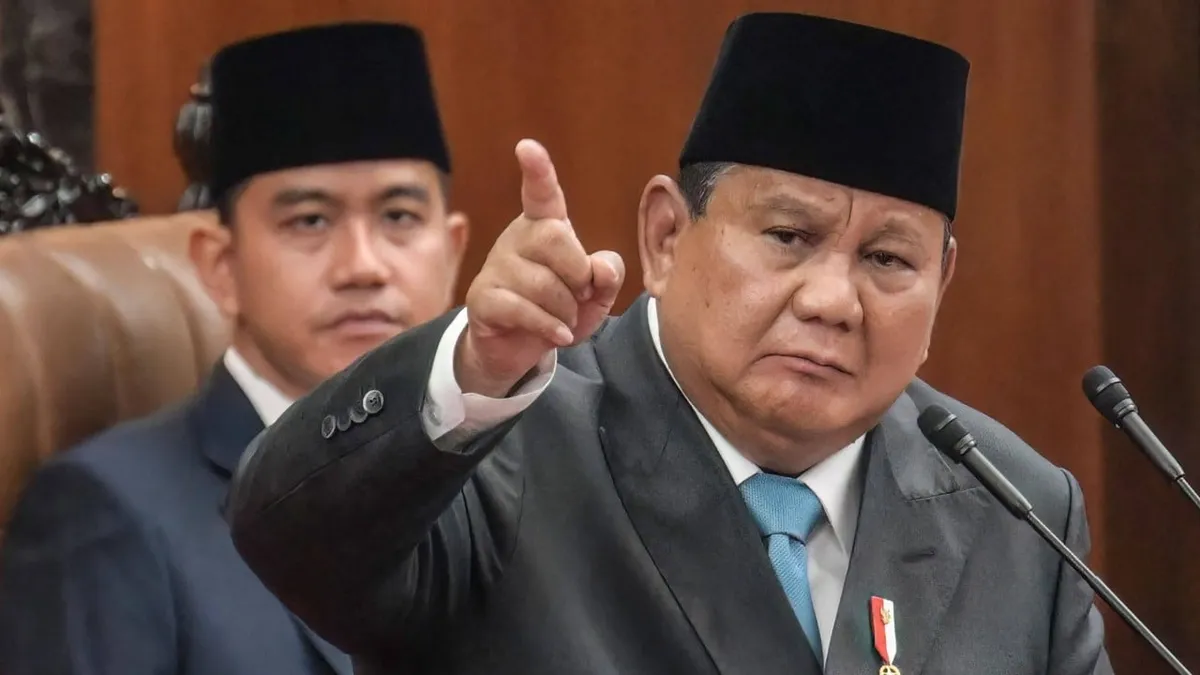
In a move that has economists nervously reaching for their vintage copies of Adam Smith, Indonesian President Prabowo Subianto has announced a sweeping new policy that would funnel the country's biggest commodity exports through a single state-appointed enterprise. Delivered during a rare address to parliament on Wednesday, the announcement covers palm oil, coal, and ferroalloys - three of Indonesia's most lucrative export earners.
So what exactly is happening here?
According to reporting by the South China Morning Post, producers of these commodities would be required to sell through a government-designated entity before their goods can leave the country. The stated goals are reasonable enough on paper: plug revenue leaks, tighten oversight of natural resources, and keep more foreign exchange earnings circulating within the domestic economy rather than quietly disappearing offshore.
Indonesia has long wrestled with the uncomfortable reality that it sits on enormous natural wealth while a significant chunk of the financial upside ends up somewhere else entirely. Prabowo's answer, apparently, is to put the state firmly in the supply chain.
The monopoly elephant in the room
The policy has already attracted what the South China Morning Post describes as "monopolistic fears" - a diplomatic way of saying that critics are worried this is less "plugging revenue leaks" and more "creating one very powerful bottleneck with a government badge on it."
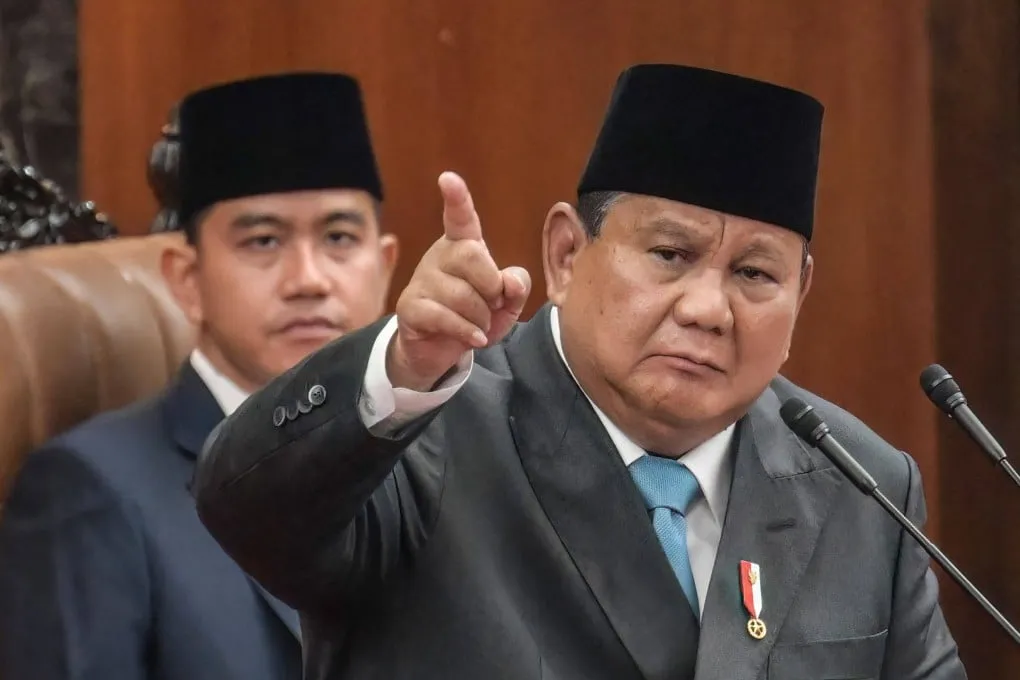
The concern is legitimate. When a single entity controls the export pipeline for commodities this significant, the potential for market distortion - not to mention corruption and inefficiency - is considerable. Whether Prabowo's administration has the institutional muscle to run this cleanly remains an open question.
Why these three commodities?
The selection is telling. Indonesia is the world's largest palm oil producer, a dominant force in global coal exports, and a growing player in ferroalloys, which are critical inputs for steel manufacturing. Together, these three sectors represent enormous foreign exchange flows - exactly the kind of money Prabowo wants staying closer to home.
Southeast Asia's largest economy has been on an economic nationalist trajectory for some time, and this latest move fits squarely into that pattern. Whether it accelerates growth or just adds a very expensive layer of bureaucracy to industries that were functioning adequately is the argument that will play out over the coming months.
For now, producers and international buyers alike are presumably staring at the announcement and quietly wondering how long the approval queues are going to get.