If your grocery bill has been giving you heart palpitations lately, you might want to have a word with the U.S. dollar, which has been quietly going through something of an identity crisis in 2025.
According to reporting by The Independent, the greenback has shed roughly 10% of its value against a basket of major global currencies since the start of 2025. That might sound like a problem for Wall Street traders hunched over Bloomberg terminals, but the ripple effects land squarely on regular people buying everything from electronics to olive oil.
So what actually happens when the dollar weakens?
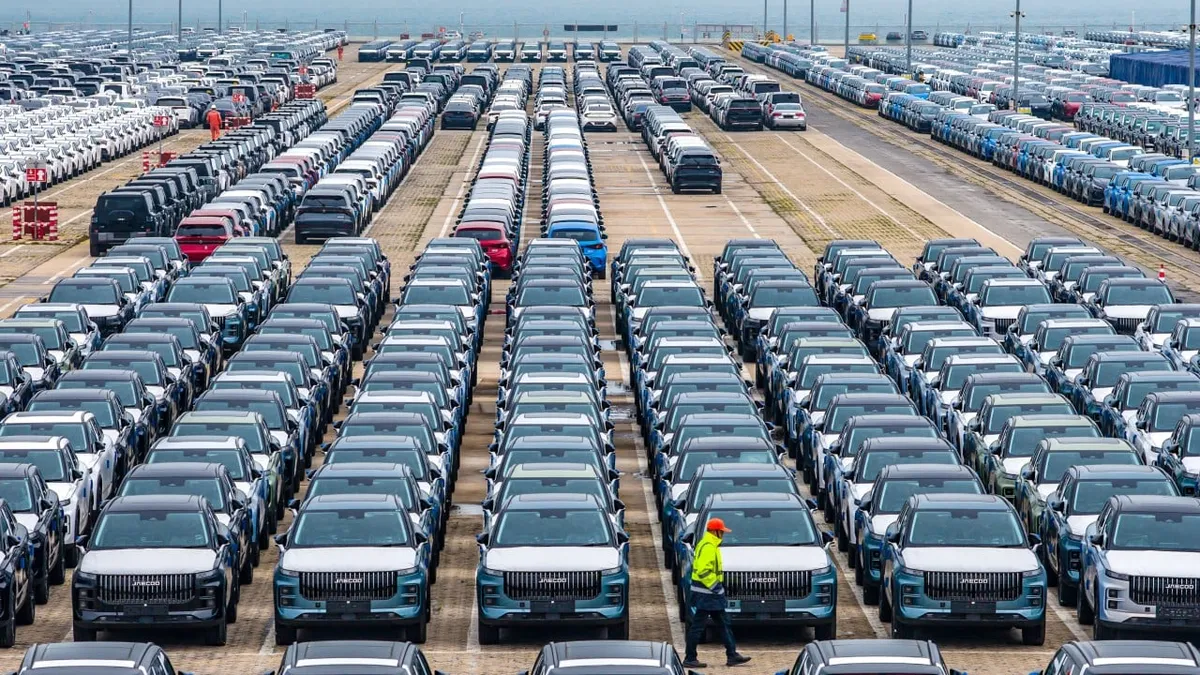
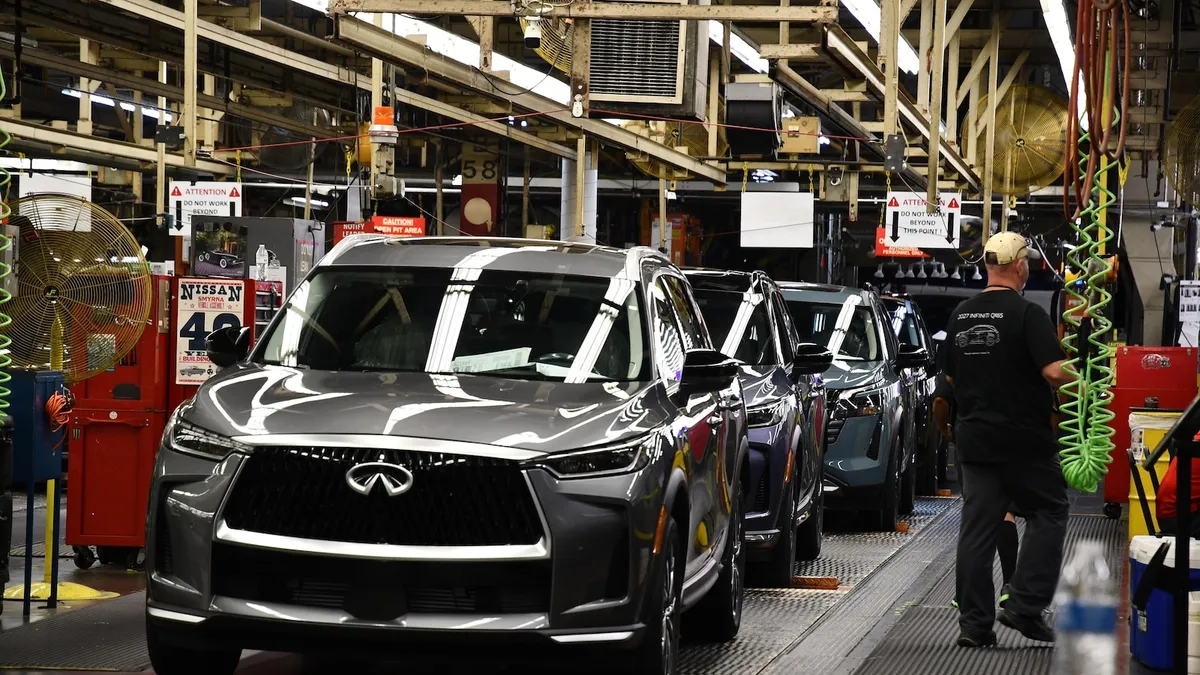
Here's the nerdy-but-important bit: the U.S. imports a staggering amount of goods - from cars and clothes to food and electronics. Those goods are priced in foreign currencies. When the dollar loses value, American importers need more dollars to buy the same amount of stuff. And like clockwork, those extra costs get passed along to consumers at the checkout.
Think of it like this: if a jacket made in Europe cost 100 euros when the dollar was strong, an American importer might have paid $105 for it. Now, with a weaker dollar, that same jacket could cost $115 or more - and somebody is going to eat that difference. Spoiler: it's you.
Why is the dollar weakening in the first place?
Currency markets are famously moody, and a cocktail of factors tends to drive dollar movements - including Federal Reserve interest rate decisions, trade policy uncertainty, and broader confidence in the U.S. economic outlook. The timing, falling in line with renewed trade tensions and tariff debates in Washington, has not gone unnoticed by economists.
The invisible tax nobody voted for
What makes currency depreciation particularly sneaky is that it functions like a hidden tax. There's no press conference, no legislation, no dramatic signing ceremony. Prices just... creep up. Inflation that was already a political sore point from recent years gets a fresh top-up, and consumers are left wondering why their money seems to evaporate faster every month.
For American travellers, a weaker dollar also means foreign holidays suddenly feel significantly more expensive. That dream trip to Europe? Budget accordingly - your dollar is buying fewer croissants than it used to.
The broader concern, as flagged by The Independent's coverage, is that a sustained decline could reinforce inflationary pressures at a time when many households are still adjusting to higher baseline costs from the post-pandemic years.
Whether the dollar finds its footing again will depend on a lot of moving parts - but for now, your purchasing power is having a rougher 2025 than it signed up for.