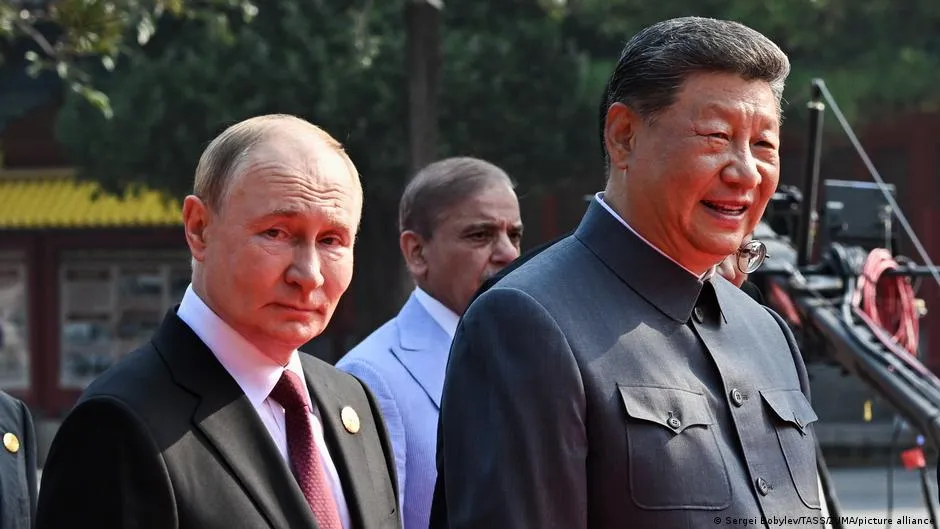
Fresh off watching Donald Trump waltz through Moscow like he owned the place, Russian President Vladimir Putin has hopped on a plane to Beijing for yet another cozy sit-down with Chinese President Xi Jinping. The timing is, shall we say, loaded. But according to a report by DW, the real story here isn't the diplomatic optics - it's the money.
The world's most lopsided friendship
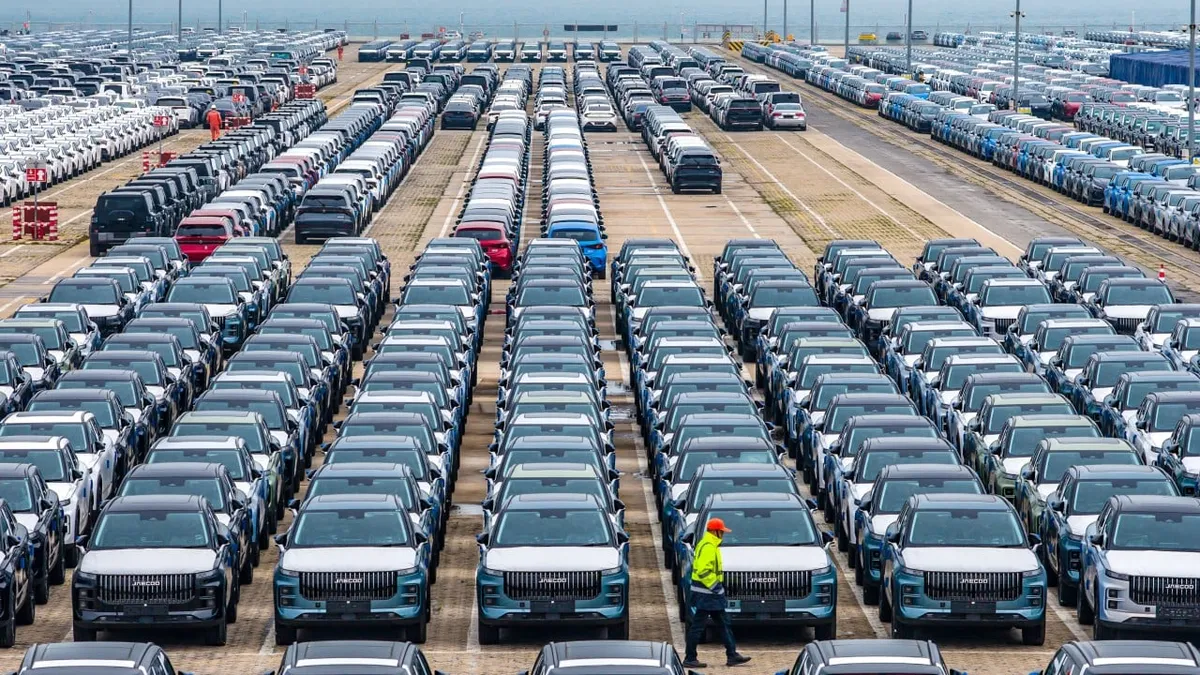
Since Western sanctions hit Russia like a freight train following the 2022 invasion of Ukraine, China has quietly stepped in to fill the economic void - and then some. DW reports that bilateral trade between Russia and China has surged dramatically, with China now serving as Russia's top trading partner by a significant margin. Russian energy - oil, gas, coal - flows east, and in return, China sends manufactured goods, electronics, and critically, components that keep Russian industry ticking.
The relationship has grown so lopsided that some analysts cited by DW are calling China Russia's economic lifeline - which, when you think about it, is a fairly embarrassing situation for a country that used to cosplay as a global superpower.
Yuan is the new dollar (for Russia, anyway)
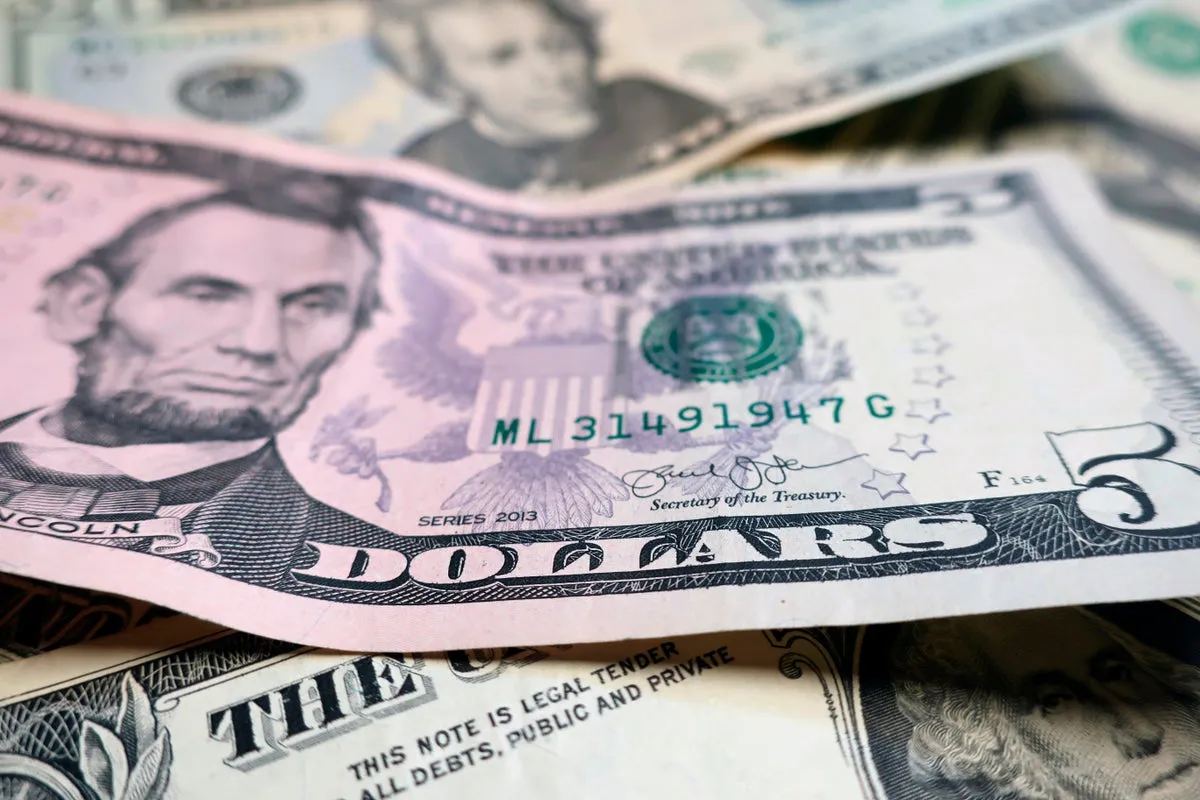
One of the more fascinating developments, according to DW's reporting, is the shift in how Russia conducts its trade. Cut off from SWIFT and dollar-denominated transactions, Russia has pivoted hard toward the Chinese yuan. A growing share of Russia-China trade is now settled in yuan, meaning Moscow is becoming increasingly dependent on Beijing's currency and, by extension, Beijing's goodwill.
That's a strategic vulnerability that even the Kremlin has acknowledged, though usually in the diplomatic language of "deepening partnership" rather than "please don't pull the rug out from under us."
Not without strings attached
China, to its credit, has been careful not to openly violate Western sanctions - at least not in ways it can't deny. DW notes that Chinese banks have become more cautious about direct dealings with sanctioned Russian entities, quietly creating friction in the relationship even as the broader trade volumes remain high. Beijing wants Russian resources and a weakened West, but it doesn't want secondary sanctions tanking its own economy.
So Putin arrives in Beijing as a leader who needs this relationship far more than Xi does. That's a diplomatic hand that would make any poker player wince.
Whether the two leaders announce new energy deals, financial mechanisms, or just take another suspiciously warm photo together, one thing is clear: Russia's economic fate is increasingly written in Mandarin.
Source: DW