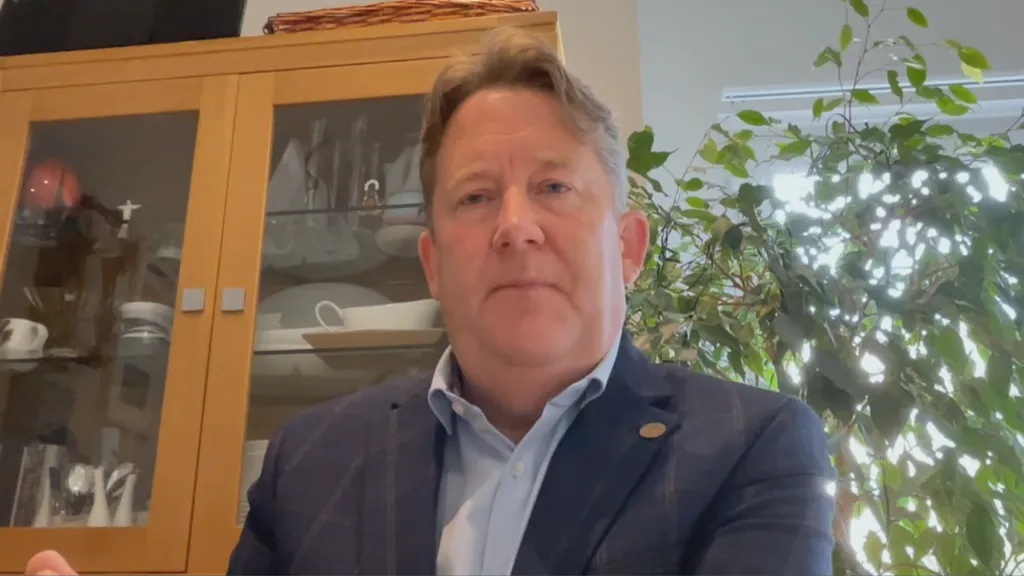
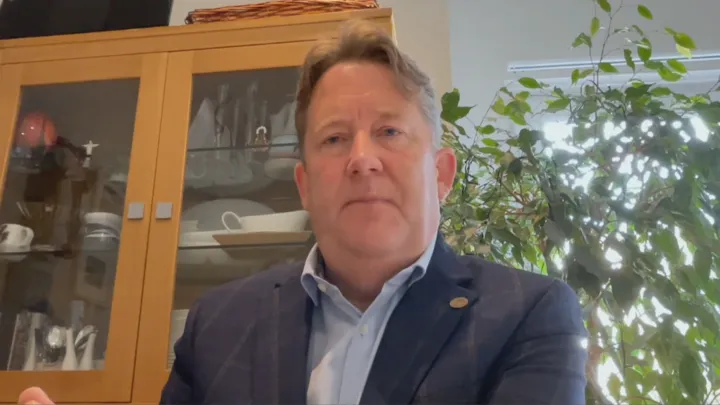
If you thought Europe had figured out the whole "don't be dangerously dependent on volatile energy sources" thing after the Russia-Ukraine crisis, Irish Minister Darragh O'Brien has some uncomfortable news for you.
Speaking to France 24's Talking Europe this week, O'Brien - Ireland's Minister for Climate, Energy and the Environment, and also Minister for Transport (yes, he has two jobs, and yes, that sounds exhausting) - said the EU is now facing what he called a "second big wake-up call" on energy policy, this time triggered by the ongoing Middle East crisis and its knock-on effects on energy costs.
Fool me twice...
The first wake-up call, of course, came when Russia's invasion of Ukraine sent European energy prices into a full-on meltdown, forcing the bloc to scramble for alternatives to Russian gas at an almost embarrassing pace. The lesson was supposed to be: diversify, decarbonize, and stop putting all your energy eggs in geopolitically unstable baskets.
Yet here we are. According to O'Brien, the Middle East crisis is once again exposing just how vulnerable European energy markets remain to external shocks. Rising energy costs are not just an abstract policy problem - they are hitting households and businesses directly, and O'Brien, in his dual ministerial role, has reportedly been dealing with the fallout hands-on.
What Ireland wants Europe to do about it
O'Brien's position reflects a broader anxiety among smaller EU member states that the bloc's energy transition is moving, let's say, at a pace that could generously be described as "deliberate." The push for renewables is real, but the infrastructure, interconnection, and political will to make Europe genuinely energy-independent still lag behind the rhetoric.
The minister did not mince words about the urgency, framing this moment as an opportunity for Europe to accelerate - not delay - its clean energy ambitions, rather than using the crisis as an excuse to backslide toward fossil fuel comfort zones.
The bigger picture
Energy security has become one of the defining policy battlegrounds of the 2020s for the EU, sitting awkwardly at the intersection of climate goals, geopolitics, and economic competitiveness. With global instability showing no signs of calming down, the pressure on Brussels to build a genuinely resilient energy system has never been higher.
As O'Brien's comments suggest, the alarm has gone off again. Whether Europe finally gets out of bed this time remains to be seen.
Source: France 24, Talking Europe, May 15 2026.