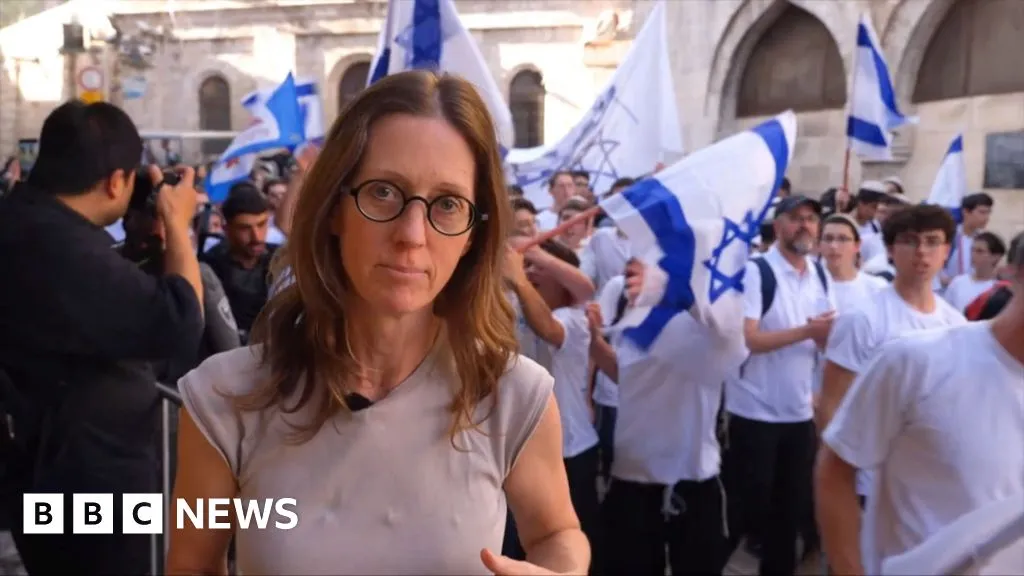
If you ever needed proof that geography can be political, look no further than a single march through a very old city. Tens of thousands of Israeli celebrants flooded through Jerusalem's Old City on Wednesday for the annual Jerusalem Day flag march, commemorating Israel's capture of East Jerusalem during the 1967 Arab-Israeli war - and the BBC was right there on the ground to document every flag-waving, chanting step of it.
What is Jerusalem Day, exactly?
Jerusalem Day - or Yom Yerushalayim in Hebrew - marks the anniversary of Israel taking control of East Jerusalem, including the Old City, during the Six-Day War in June 1967. For many Israeli nationalists, it is a day of jubilant celebration. For Palestinians and much of the Arab world, it is a considerably less festive occasion. In other words: same city, very different vibes depending on which side of a very complicated history you are standing on.
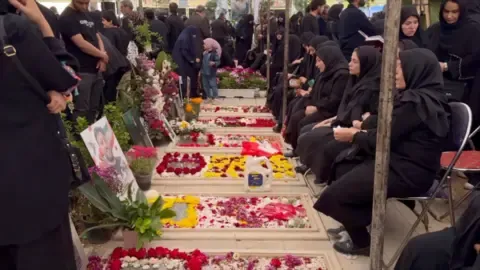
The march, sometimes called the "flag dance" or "flag parade," is an annual tradition that has drawn both massive crowds and sharp criticism over the years. Participants wave Israeli flags and move through the Muslim Quarter of the Old City - a route that critics argue is deliberately provocative and that human rights organizations have repeatedly flagged (no pun intended) as a source of heightened tension and occasional violence.
What the BBC saw on the ground
According to BBC reporting from the scene, the atmosphere was loud, crowded, and charged - as it tends to be when tens of thousands of people march through one of the most contested pieces of real estate on the planet. The BBC's on-the-ground footage captured the scale of the procession winding through the narrow stone streets that have seen, to put it mildly, a lot of history.
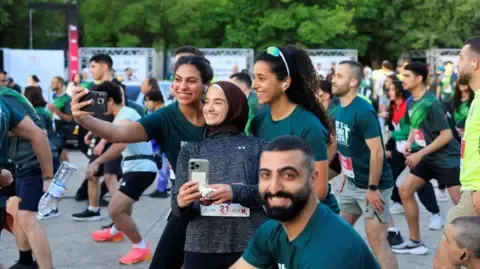
The march drew participants from across Israel and beyond, with Israeli flags dominating every visible surface. Security forces were deployed in significant numbers, as they are every year for this event.
Why this keeps making headlines
This march is not just a parade - it is an annual flashpoint. Previous editions have coincided with outbreaks of violence, and the route through the Muslim Quarter remains deeply contested. Palestinian residents and shopkeepers in the Old City often close their businesses and stay indoors during the procession, according to consistent reporting from multiple outlets over the years.

The Israeli government under Prime Minister Benjamin Netanyahu has generally permitted the march to proceed along its traditional route, despite periodic calls from security officials and international observers to reroute it away from the most sensitive areas.
As of the BBC's reporting, the march proceeded without confirmed reports of major incidents - though in a city where the ground itself is disputed, "without major incidents" is doing a lot of heavy lifting as a phrase.