Renewable energy has long been presented as a central solution to the climate crisis, but a growing body of concern suggests the infrastructure built to combat global warming may itself be vulnerable to its effects, according to reporting by Euronews.
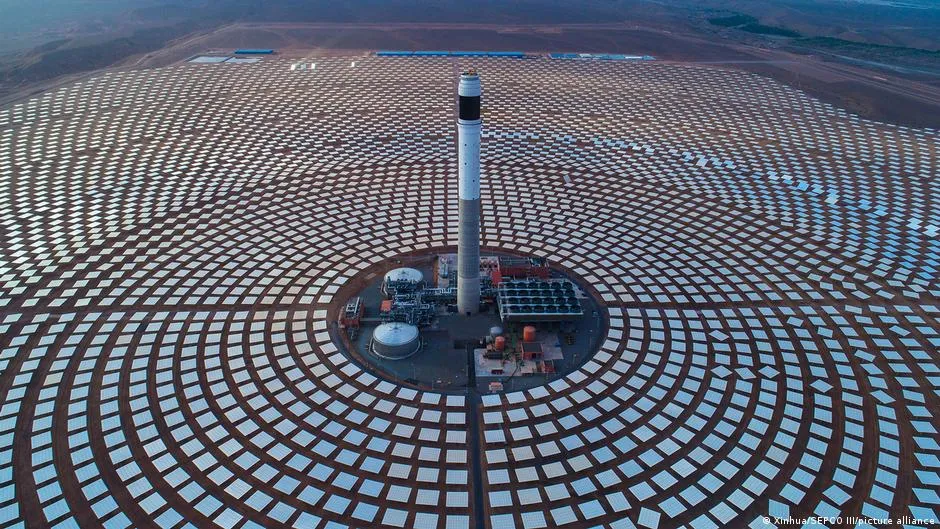
Solar panels, which function by converting sunlight into electricity, can paradoxically become less efficient as temperatures rise significantly above their optimal operating range. Extreme heat - increasingly common as global average temperatures climb - can degrade panel performance, reduce energy output, and accelerate the deterioration of materials over time.
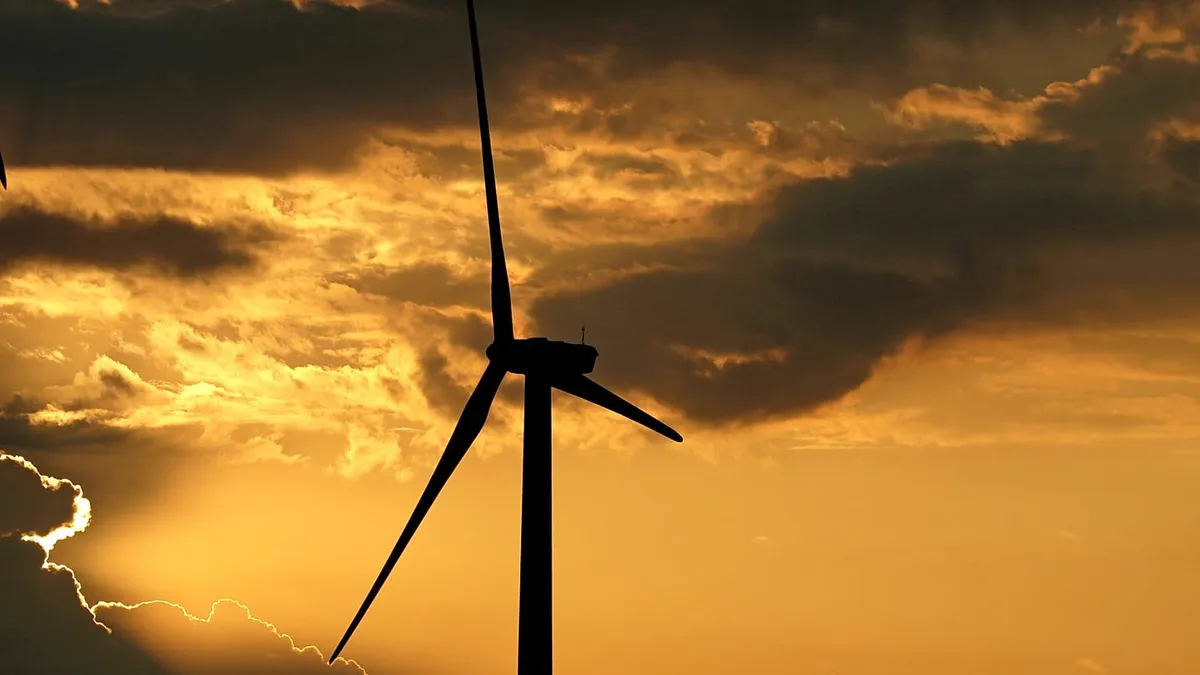
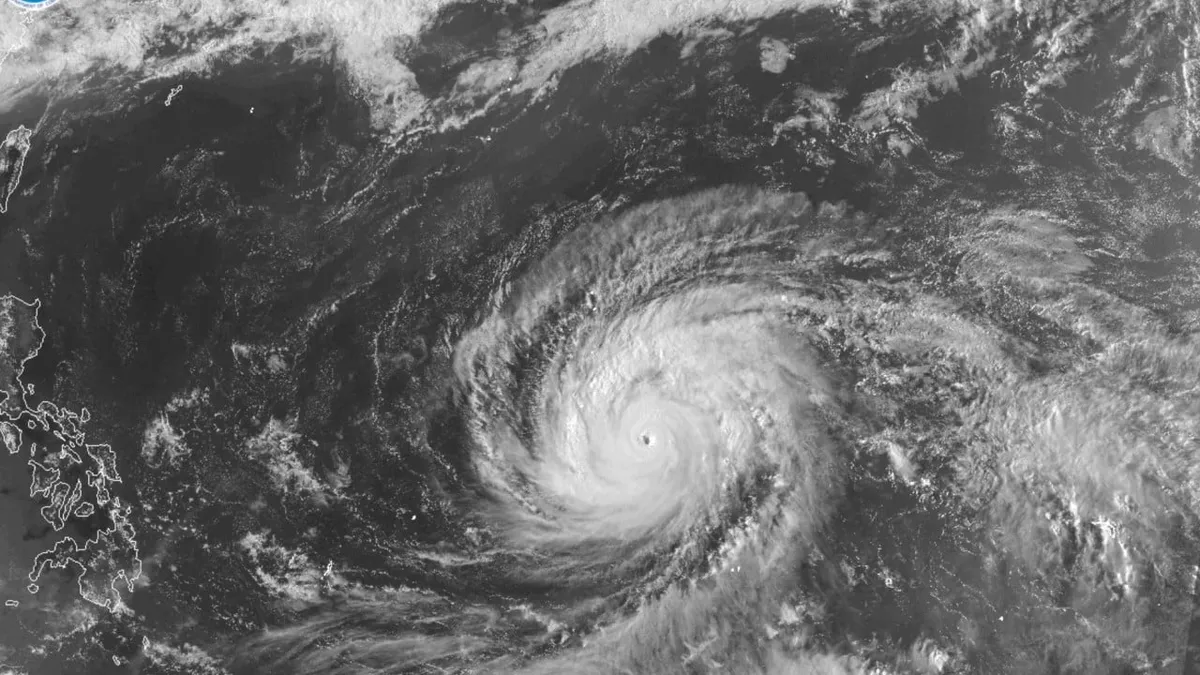
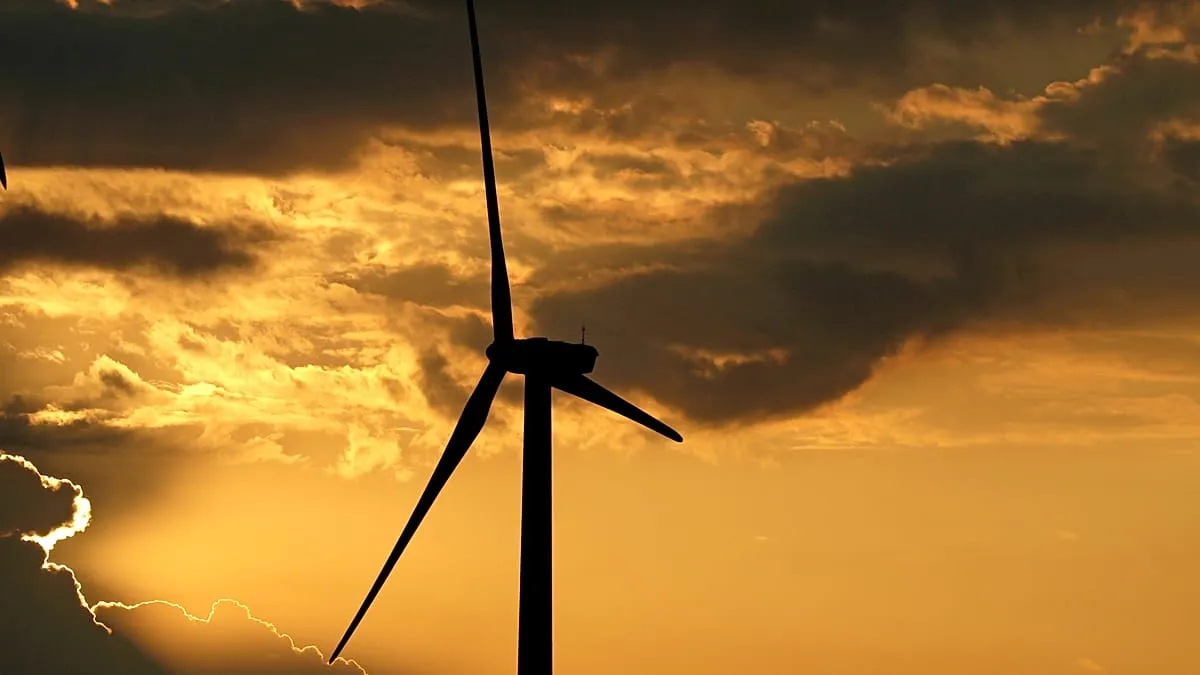
Wind turbines face a different but equally serious challenge. Turbines are engineered to operate within specific wind speed parameters. When winds exceed those thresholds - as occurs during severe storms and extreme weather events - turbines are typically shut down automatically to prevent structural damage. This means the periods when wind energy might seem most available can be precisely the moments when generation is forced offline.
A paradox at the heart of the energy transition
The tension between renewable energy's climate promise and its climate vulnerability presents a significant engineering and policy challenge. As nations accelerate investment in wind and solar capacity to meet emissions reduction targets, the long-term resilience of that infrastructure against worsening weather conditions is receiving greater scrutiny.
Flooding, wildfires, and intense storms can damage energy infrastructure broadly, but renewable installations - often located in exposed environments such as open fields, coastlines, and rooftops - may carry particular exposure to physical climate risks.
Researchers and energy planners have pointed to several potential responses, including developing more heat-tolerant photovoltaic materials, engineering turbines with wider operational wind ranges, and diversifying energy sources geographically so that regional disruptions do not cascade into wider grid failures.
Questions for policymakers and investors
The issue carries financial implications as well. Energy infrastructure typically operates over decades-long lifespans, meaning installations built today must remain functional and efficient well into a period when climate projections indicate significantly more extreme conditions.
Investors and governments financing the global renewable buildout face questions about whether current designs and site selections adequately account for future climate scenarios, or whether assets could become underperforming or stranded as conditions change.
Euronews notes that while renewables remain essential to reducing the carbon emissions driving climate change, the sector faces the challenge of adapting its own technologies to survive the consequences of the warming the world has already locked in.