A decade after one of Southeast Asia's worst industrial environmental disasters, the companies, governments, and even many of the victims connected to the Formosa Ha Tinh toxic waste spill in Vietnam have largely retreated into silence, according to a report published by The Diplomat.
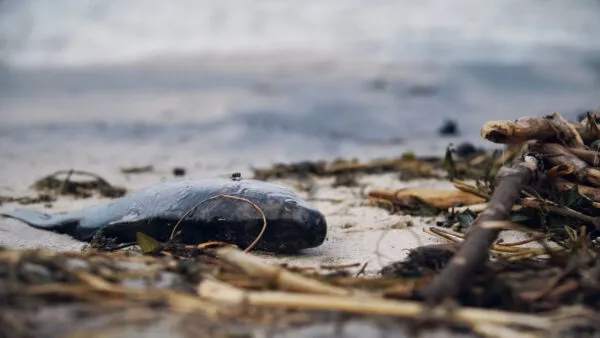
In 2016, a steel plant operated by the Taiwanese conglomerate Formosa Plastics Group discharged toxic waste into the ocean along Vietnam's central coast, killing massive quantities of fish and devastating the livelihoods of hundreds of thousands of people who depended on fishing and coastal tourism.
A disaster without accountability
The spill affected four provinces and prompted rare public protests in Vietnam, a country where demonstrations against the government or foreign investors carry significant risk. Formosa agreed to pay $500 million in compensation, but critics argued the settlement fell far short of covering the damage sustained by affected communities.
Ten years later, The Diplomat reports that a striking silence has settled over the event. The Taiwanese government has not pursued meaningful accountability measures against Formosa Plastics, one of Taiwan's largest and most politically connected corporations. The Vietnamese government, for its part, has shown little appetite for revisiting the issue, appearing to prioritize its economic relationship with Taiwan over continued pressure on behalf of affected citizens.
Victims themselves have in many cases stopped speaking publicly about the disaster, with activists who originally led protests reportedly facing ongoing pressure from Vietnamese authorities.
Competing interests mute the response
The muted response reflects the complex web of economic and diplomatic interests at play. Vietnam has sought foreign investment aggressively, and confronting a major Taiwanese investor carries potential economic costs. Taiwan, meanwhile, has pursued closer ties with Southeast Asian nations as part of its broader diplomatic strategy amid pressure from China.
Environmental and human rights advocates have pointed to the case as an example of how corporate accountability can be undermined when the interests of governments and large investors align against those of affected communities.
The long-term health and economic consequences for fishing communities along Vietnam's central coast remain incompletely documented, according to The Diplomat's account, with independent research into the disaster's full impact having been difficult to conduct.
The anniversary of the Formosa disaster arrives at a moment of heightened global scrutiny of industrial pollution and corporate environmental responsibility, yet the case itself appears to have faded from the international spotlight - a silence that observers say speaks volumes about the limits of cross-border accountability when powerful economic actors are involved.