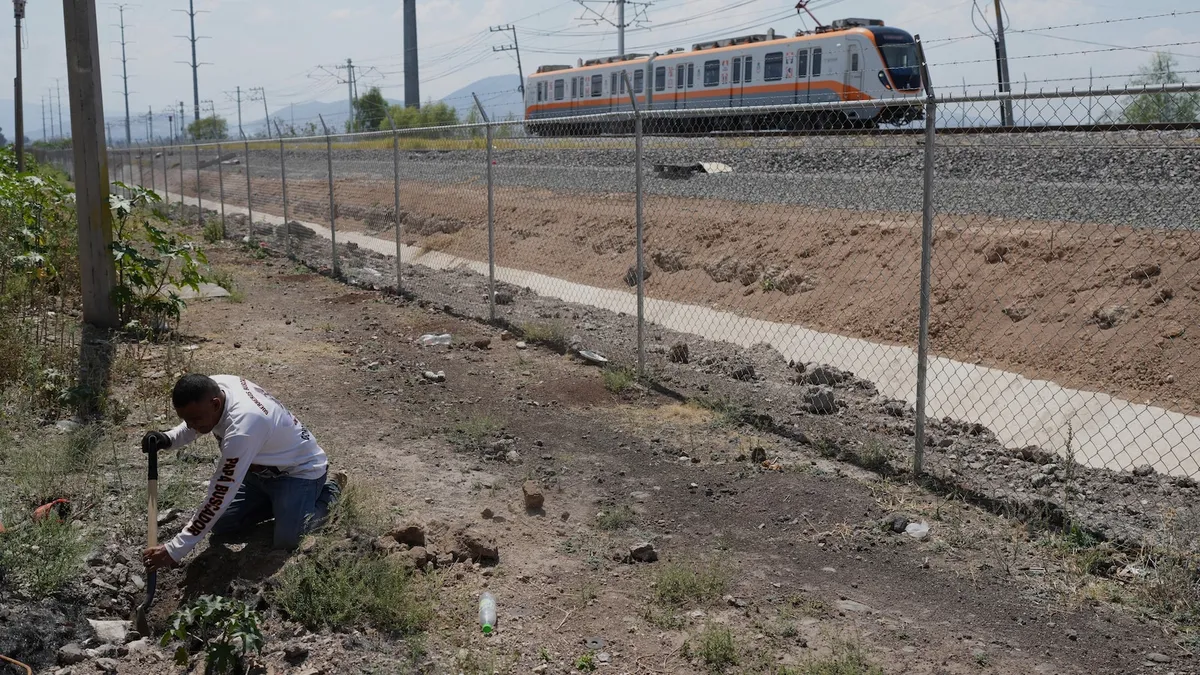
Across Mexico's most dangerous regions, groups of ordinary citizens are taking on extraordinary risks - venturing into cartel-controlled territory to search for missing family members and, when the worst has happened, to recover remains.
Among these groups is the Guerreros Buscadores, one of dozens of volunteer search collectives operating throughout the country, according to a report by ABC News. These organizations have emerged largely out of necessity, filling a void left by government agencies that families say have failed to adequately investigate disappearances or locate the missing.
A crisis of disappearances
Mexico is grappling with a long-running disappearance crisis tied closely to cartel violence and organized crime. Tens of thousands of people are listed as missing across the country, and the numbers continue to grow. For many families, official investigations stall quickly, leaving relatives with little information and no closure.
In response, search collectives have organized themselves into structured groups, learning rudimentary forensic techniques and coordinating searches of fields, riverbeds, and remote areas where clandestine graves are frequently discovered.
Dangerous work with little protection
The work carries significant personal danger. Search parties operate in areas where criminal organizations control territory and movement. Members of these collectives have faced threats, and some have been killed or disappeared themselves while conducting searches.
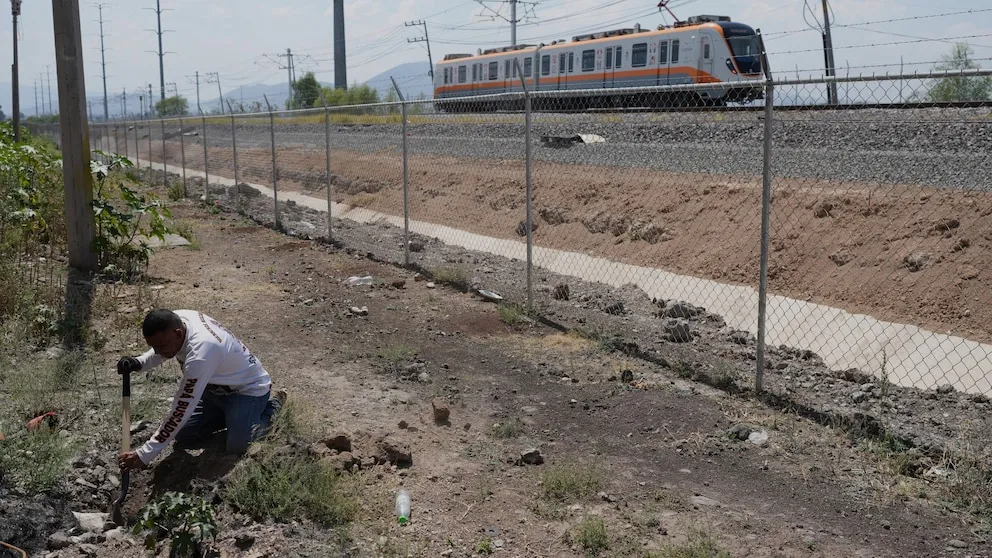
Despite these risks, participants say the need to find answers drives them forward. For many, the search is not only about locating a missing person - it is also about obtaining official recognition that their loved one existed and was lost, a step necessary for legal and administrative processes.
Government response under scrutiny
Mexican authorities have faced sustained criticism from human rights organizations and families alike over the handling of disappearance cases. Critics argue that investigations are slow, under-resourced, and sometimes compromised by corruption or links between officials and criminal groups.
The volunteer search collectives have in some cases worked alongside government forensic teams, though the relationship between these groups and authorities varies by region and administration.
The Guerreros Buscadores and similar organizations have gained wider visibility in recent years as their findings - often mass graves containing multiple victims - have drawn media attention and renewed calls for governmental accountability.
For the families involved, each search represents both hope and the possibility of devastating confirmation. The collectives continue their work regardless, driven by the belief that every person deserves to be found.