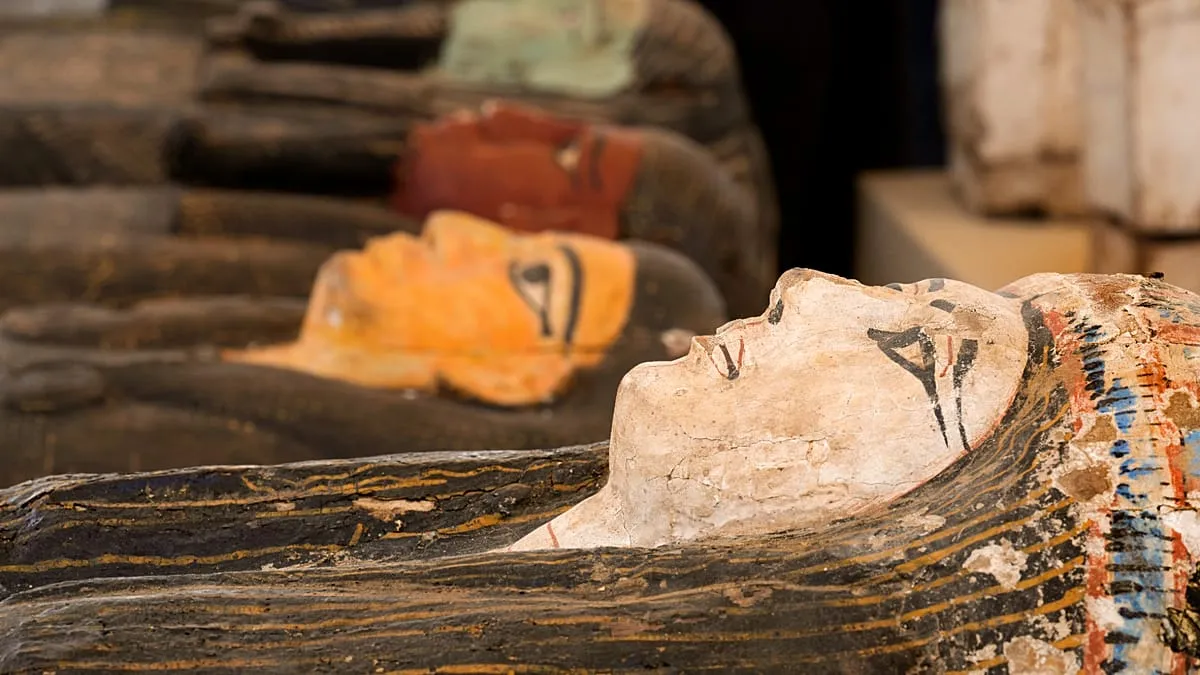
Archaeologists have found a fragment of Homer's Iliad hidden inside a mummy at the ancient Egyptian site of Oxyrhynchus, offering a rare glimpse into how Greek literary texts were repurposed in burial practices during the Roman period, according to Euronews.
The discovery was made by a joint Spanish-Egyptian research team working at the site, which is located roughly 160 kilometres south of Cairo and has long been considered one of the most significant sources of ancient papyrus texts in the world.
A text within a tomb
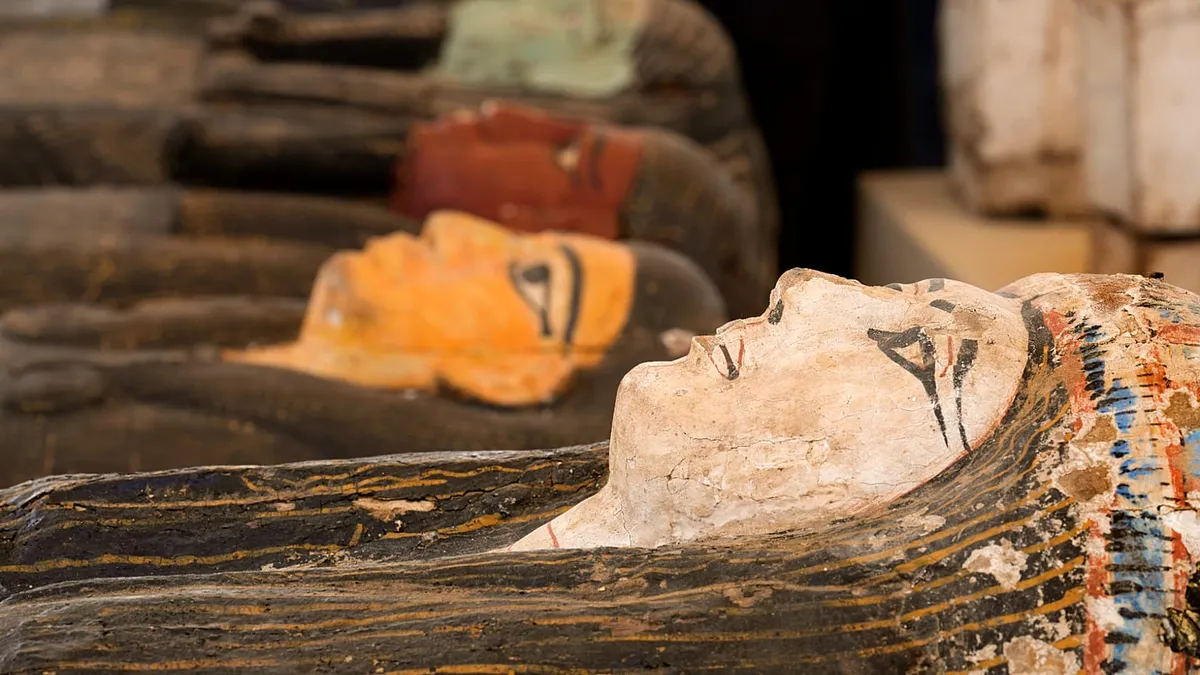
The fragment belonged to one of the most widely copied works in antiquity. Homer's Iliad, the epic poem recounting events of the Trojan War, was a cornerstone of Greco-Roman education and culture. Finding a portion of it inside a mummy wrapping underscores how papyrus manuscripts - sometimes discarded or repurposed - found their way into funerary contexts.
Researchers noted that the use of written material in mummy preparation was not entirely unusual. Sheets of papyrus were occasionally layered together to form cartonnage, a kind of papier-mache casing used to wrap or encase the deceased. The presence of a literary text, however, makes this particular find especially notable.
Oxyrhynchus and its significance
Oxyrhynchus has yielded hundreds of thousands of papyrus fragments since excavations began there in the late 19th century. The site has produced texts ranging from administrative records and personal letters to early Christian scriptures and classical literature.
The latest discovery adds to that extensive catalogue and, according to the research team, provides further evidence of how deeply Greek literature had penetrated Egyptian society during the Roman era. The region was under Roman rule from 30 BCE following the death of Cleopatra, and Greek remained a dominant language of culture and administration throughout that period.
Broader implications
Scholars say findings like this help trace the geographic and social spread of classical texts beyond the major urban and intellectual centres of the ancient world. The presence of Homer in a burial site in Middle Egypt suggests that copies of the Iliad circulated widely and were accessible outside of elite or purely scholarly settings.
The Spanish-Egyptian team has not yet disclosed the specific lines contained in the fragment or confirmed the precise date of the mummy, details that are expected to emerge as analysis of the discovery continues.