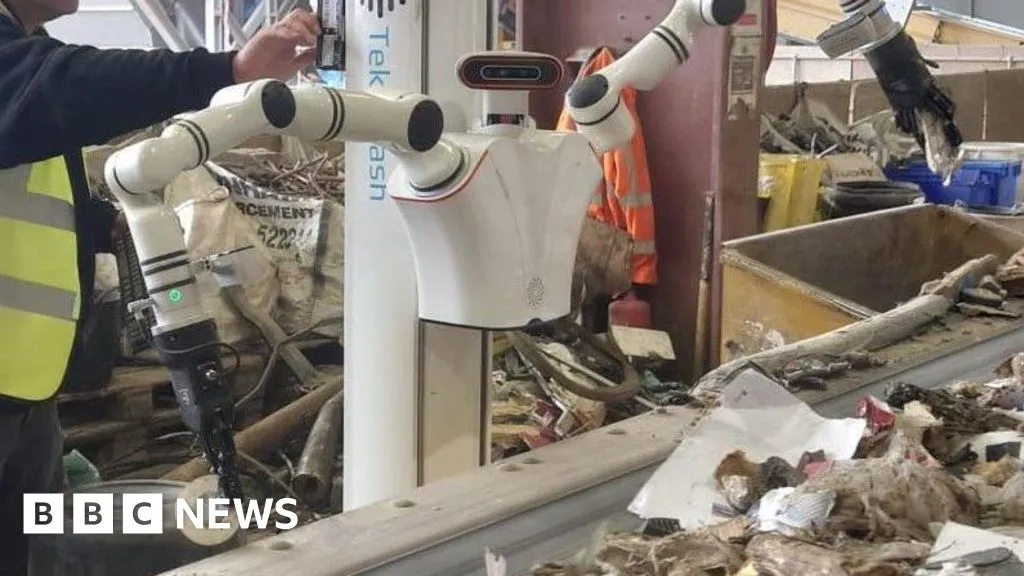
Congratulations, humanity. We have officially outsourced one of our least glamorous jobs to robots. According to a BBC report, humanoid robots are being deployed in waste sorting facilities as companies across the sector scramble to fill positions that, let's be honest, were never exactly top of the career fair wish list.
The robot uprising starts at the recycling plant
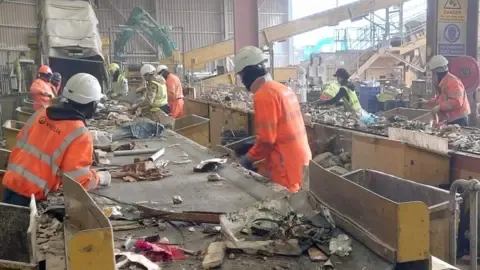
The waste management industry has long battled a staffing crisis. The work is physically demanding, often unpleasant, and does not exactly scream "LinkedIn success story." So rather than keep fighting a losing battle with job postings, waste firms are increasingly turning to automation - and now, specifically, to humanoid robots capable of sorting through the rubbish that society generates at an almost heroic rate.
This is not your grandfather's factory conveyor belt automation either. These are upright, vaguely human-shaped machines being integrated into sorting lines, designed to handle the kind of repetitive, physically awkward tasks that make human workers burn out faster than a paper bag in an incinerator.
Why humanoid and why now?
The appeal of humanoid robots in this context is actually pretty logical, even if it sounds like a sci-fi fever dream. Waste sorting facilities were largely designed around human bodies - the layout, the conveyor heights, the reach required. A robot that resembles a person can slot into existing infrastructure without a full facility redesign. It is adaptation on the cheap, relatively speaking.
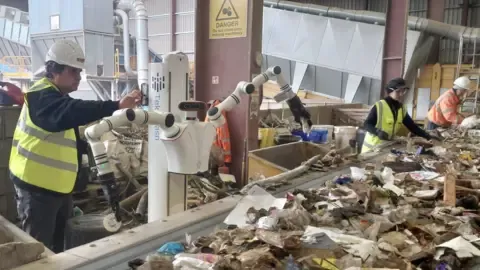
The BBC report highlights that waste companies are not choosing robots over people out of spite. The labour shortage is genuine and persistent. Recruitment is difficult, turnover is high, and the physical toll of the job means many workers do not stick around long enough to become experienced sorters.
So is this a job apocalypse?
Before anyone starts printing protest signs, it is worth noting that the industry framing here is less "robots replacing workers" and more "robots filling gaps that humans are not queuing up to fill." There is a meaningful difference - at least for now.

That said, as humanoid robot technology improves and costs come down, the calculus could shift. Today it is the jobs nobody wanted. Tomorrow, the conversation gets more complicated.
For now though, your recyclables are in good (if synthetic) hands. The robots are on shift. Try not to throw a pizza box in with the glass.