
The European Union has officially declared that Meta is in breach of its landmark digital rules over the company's handling of underage users on Instagram and Facebook, according to a report from Euronews. And the numbers backing up that accusation are, frankly, not a great look for the social media giant.
The awkward stat Meta would rather you not dwell on
EU regulators claim that one in ten children under the age of 13 is actively using either Facebook or Instagram. That is a significant figure, given that both platforms officially require users to be at least 13 years old to create an account. In theory, a child under that age should not be there. In practice, apparently, tens of millions of them are.

The EU's findings place Meta squarely in the crosshairs of the Digital Services Act (DSA), the bloc's sweeping set of rules designed to force big tech platforms to take meaningful responsibility for what happens on their networks - including who is allowed on them in the first place.
So what does "in breach" actually mean here?
Being found in breach of DSA obligations is not just a slap on the wrist. The regulation carries the potential for fines of up to six percent of a company's global annual turnover for violations. For Meta, a company that generated over $130 billion in revenue in 2024, that ceiling represents a very large number with a lot of zeroes.

Regulators have been scrutinising Meta's systems for verifying user ages, as well as the algorithmic recommendation tools that serve content to younger audiences. The concern is not simply that kids are sneaking onto platforms - it is that the platforms may not be doing nearly enough to stop them, and may in fact be profiting from their presence through targeted advertising and engagement-maximising algorithms.
Meta's ongoing tween problem
This is far from the first time Meta has faced heat over its relationship with younger users. Internal research leaked in previous years suggested the company was well aware of the negative mental health effects Instagram could have on teenage girls, yet chose not to act decisively. The EU finding adds a regulatory dimension to what has largely been a reputational and ethical debate up to this point.
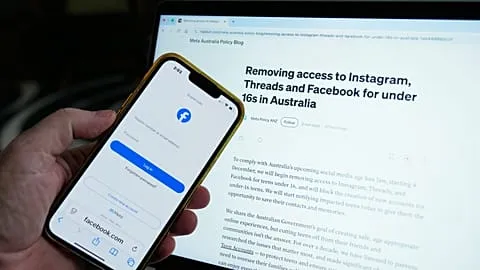
Meta has not yet issued a formal public response to the EU's breach finding, according to reporting by Euronews. The company has previously argued that it invests heavily in age verification and parental supervision tools, and that keeping underage users off platforms is a complex, industry-wide challenge.
The EU, apparently, is not buying it.