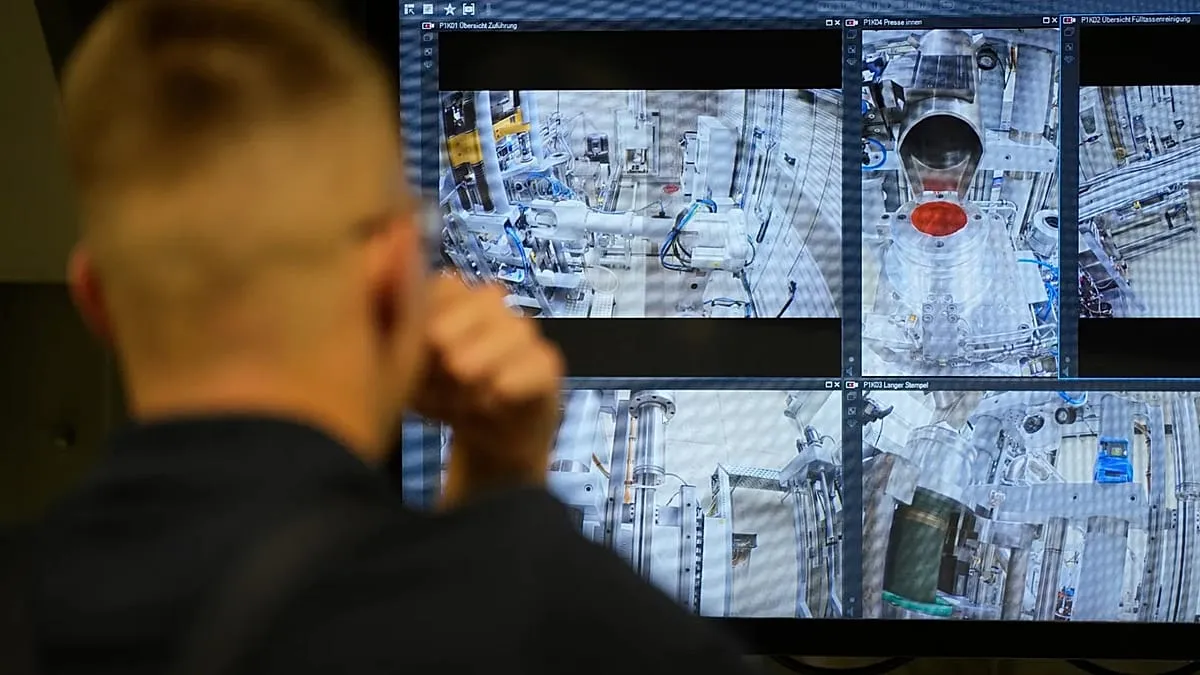
Germany's domestic intelligence agency, the Federal Office for the Protection of the Constitution (BfV), has apparently decided that the country's defence industry needs a stern talking-to - and not the gentle kind. According to Euronews, the agency reached out to defence sector companies back in March, pushing hard for stricter security standards amid rising concerns about espionage, sabotage, and outright physical attacks targeting the industry.
So what's actually going on?
The BfV's warning is not exactly a surprise given the geopolitical climate in Europe right now. Since Russia's full-scale invasion of Ukraine in 2022, Western intelligence agencies have been increasingly vocal about state-sponsored actors - particularly Russian and Chinese operatives - sniffing around defence contractors, research facilities, and critical infrastructure like they're browsing a very illegal IKEA catalogue.
Germany in particular has had a rough few years on the sabotage front. A string of suspected Russian-linked incidents across Europe - ranging from arson to cyberattacks to some genuinely baffling cases of infrastructure interference - have pushed security services into a more proactive posture. The BfV approaching the defence industry directly suggests the agency believes the threat is concrete and present, not some vague future hypothetical.
What does 'stricter security standards' even mean?
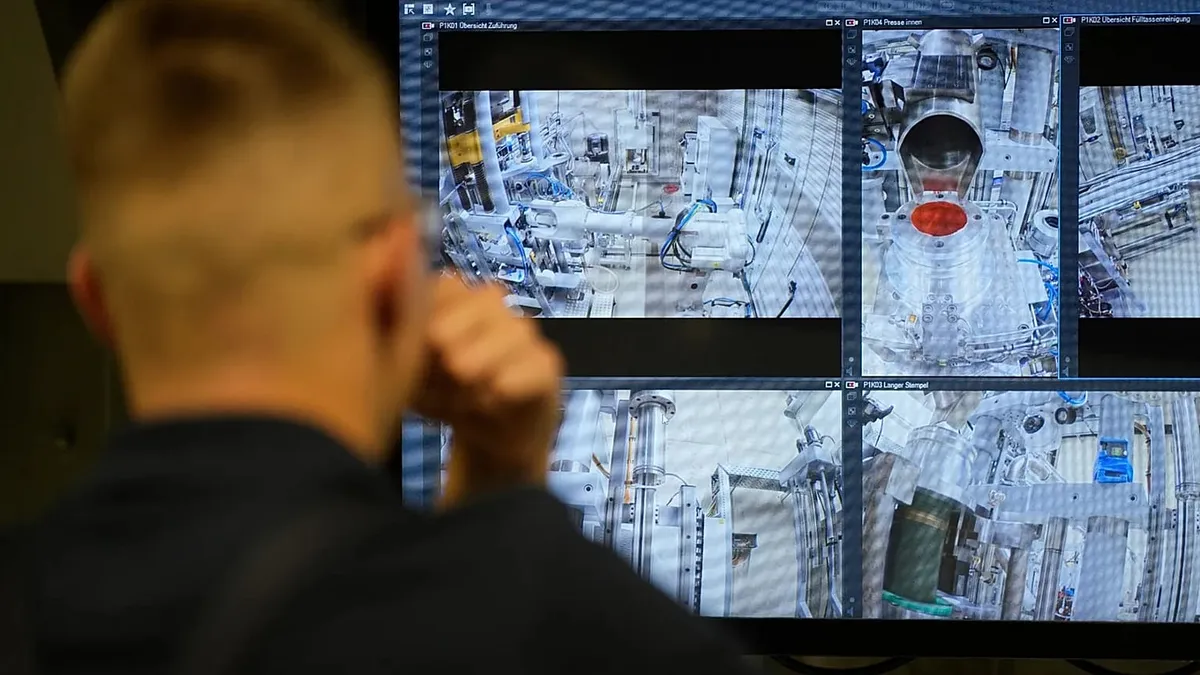
The specifics of what the BfV is demanding from companies have not been made fully public, which is very on-brand for an intelligence agency. However, the general thrust of such campaigns typically involves tightening access controls, improving employee vetting procedures, hardening digital infrastructure against intrusion, and making sure that not just anyone can wander into a facility that builds, say, tank components or missile guidance systems.
The timing is notable. Europe's defence industry is in the middle of a historic expansion, with governments across the continent scrambling to rearm following years of post-Cold War underinvestment. That means more contracts, more workers, more supply chains, and - critically - more attack surfaces for hostile intelligence services to exploit.
The bigger picture
Germany is not alone in sounding this alarm. Intelligence agencies across NATO member states have been issuing similar warnings with increasing frequency. The UK's MI5 and the US FBI have both made highly public overtures to the private sector about state-sponsored threats in recent years.
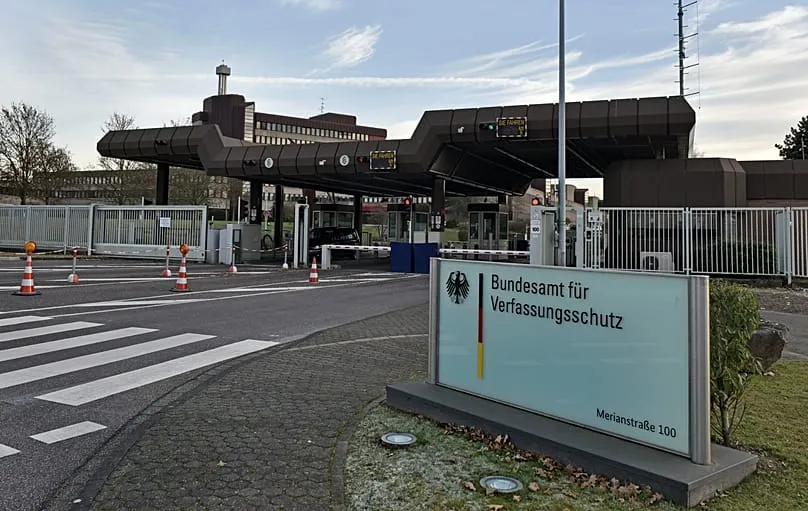
What makes the BfV's move interesting is the direct, industry-facing approach - going to companies rather than simply issuing general advisories. It signals a level of urgency that bureaucracies don't usually bother with unless they have good reason to.
In short: if you work in German defence manufacturing and a very serious person in a sensible jacket showed up at your office in March asking awkward questions about your visitor logs, now you know why.
Source: Euronews