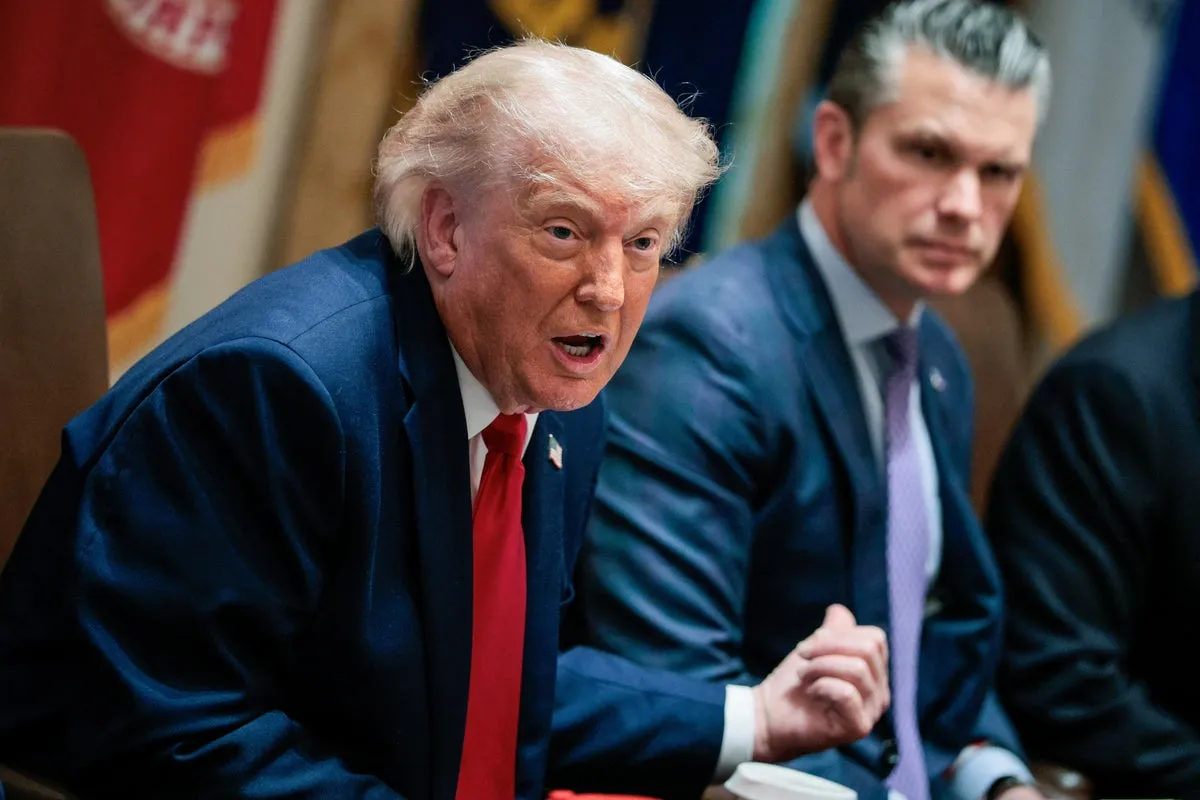
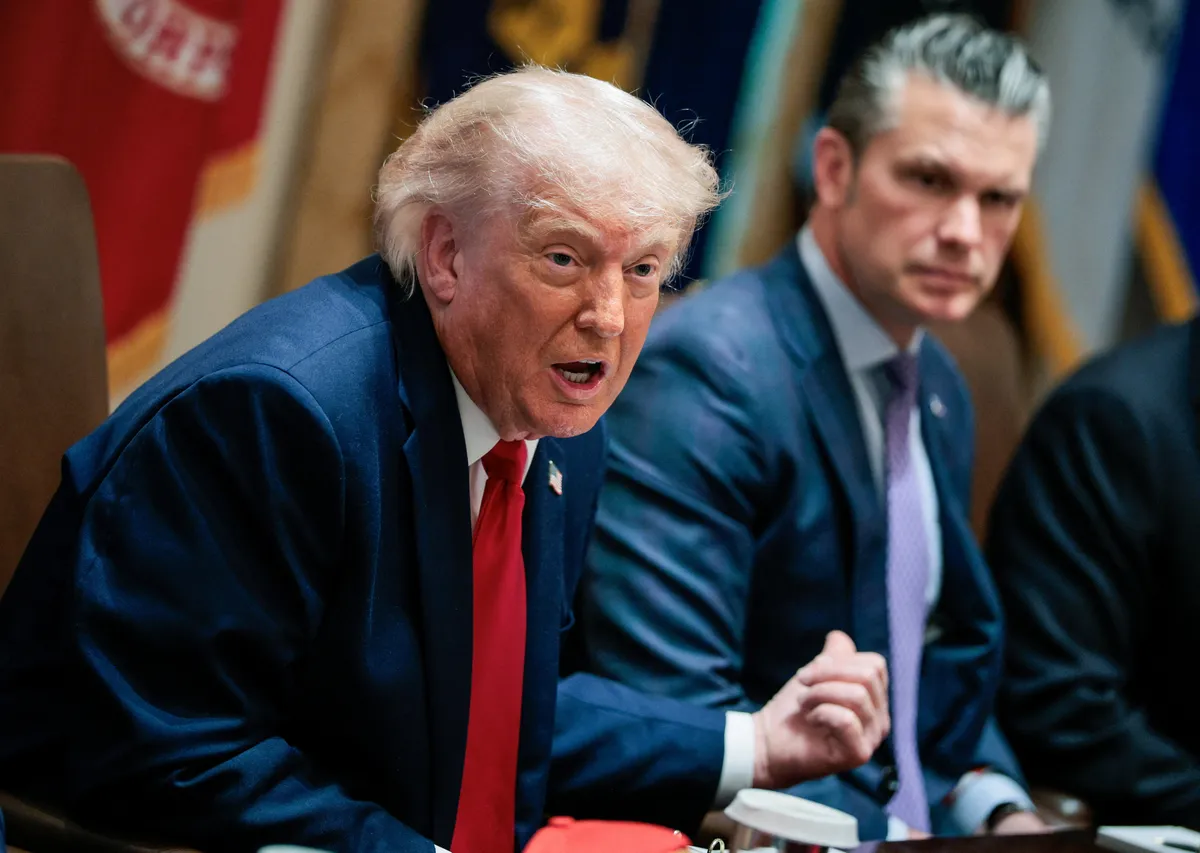
In what is becoming a recognizable pattern in American foreign policy circa 2025, President Donald Trump dropped a casual threat to destroy a strategically critical waterway during what was supposed to be a routine cabinet meeting - because why use a memo when you can just say the quiet part loud?
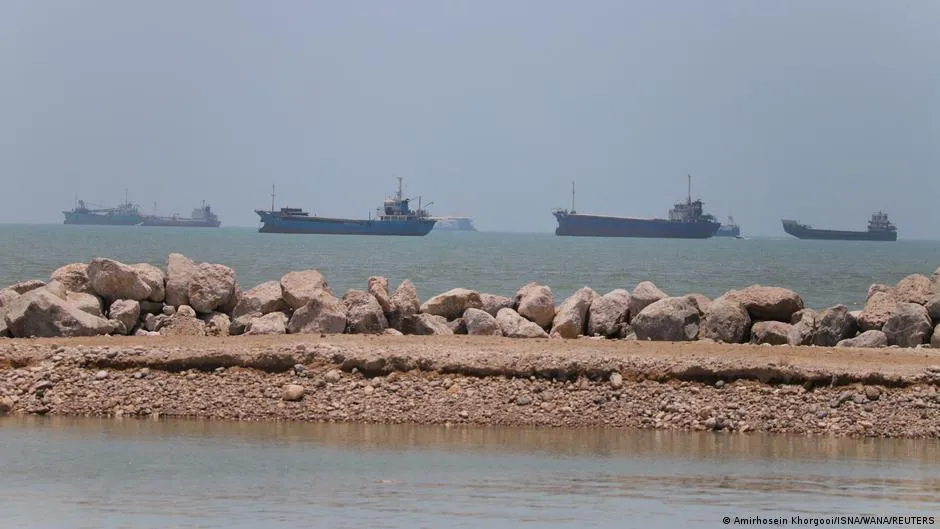
According to reporting by The Independent, Trump made remarks about the Strait of Hormuz, the narrow but absolutely enormous chokepoint through which roughly 20% of the world's oil supply passes, suggesting the U.S. could, you know, blow it up. As one does. In a cabinet meeting. On a Tuesday.
Context, or: why this particular waterway really matters
The Strait of Hormuz sits between Iran and Oman, and it is essentially the jugular vein of global energy markets. Any disruption there - let alone a full military strike - would send oil prices into orbit faster than you can say "supply chain crisis." Markets, tanker operators, and approximately every finance minister on the planet have this strait on a very short list of places they would prefer nobody blows up.
The timing is, to put it diplomatically, complicated. The remark comes as Trump's administration has been pushing its Abraham Accords framework and issuing demands that are reportedly threatening to stall ongoing peace negotiations with Iran. Diplomats had apparently been cautiously optimistic about progress in those talks - a feeling that may now be described in the past tense.
The Abraham Accords wildcard
The Independent's reporting highlights that Trump's renewed Abraham Accords ambitions are creating friction with the Iran diplomacy track. The two goals - normalizing Gulf Arab relations with Israel under U.S. pressure while simultaneously trying to negotiate with Tehran - require a level of threading-the-needle that a casual "we could blow up the strait" comment does not exactly assist.
Oman, notably, has historically served as a quiet backchannel between Washington and Tehran. It is the kind of subtle, patient diplomacy that tends to happen in hushed rooms - not in cabinet meetings where someone might be feeling particularly theatrical.
Pattern recognition: the Trump doctrine of aggressive hypotheticals
This is not the first time Trump has casually floated the idea of dramatic military or territorial action in an informal setting - see also: Greenland, Canada, Panama. Whether these remarks represent actual policy intent or an unconventional negotiating style remains a subject of genuine debate among foreign policy analysts, though the rest of the world has largely stopped assuming it is always just bluster.
As of reporting, Iran has not formally responded to the Hormuz comment. Global oil markets, however, were paying close attention.