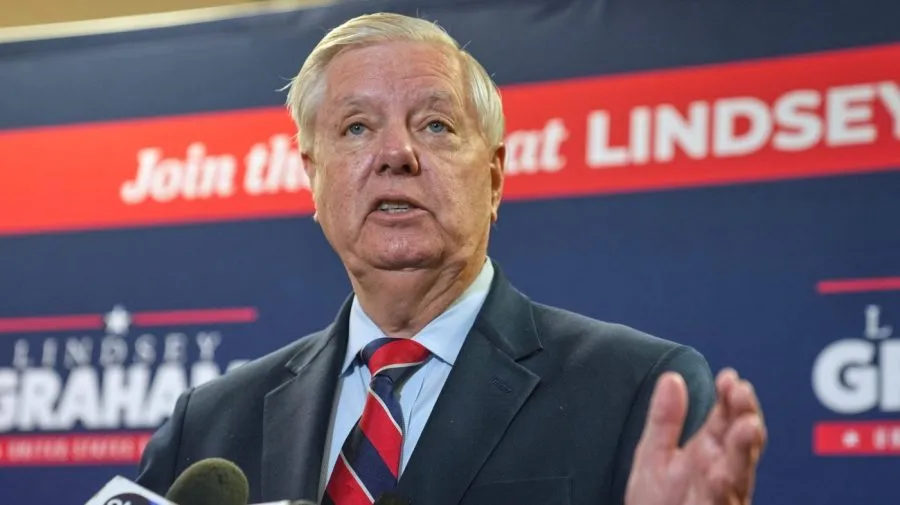
Sen. Lindsey Graham (R-S.C.) voiced cautious skepticism Thursday over a newly reached short-term ceasefire agreement between Israel and Lebanon, warning that the United States should not take steps that could benefit Hezbollah.
Graham shared his concerns on the social platform X, acknowledging diplomatic efforts while urging a sober assessment of the situation.
"While I appreciate every effort to bring peace through diplomacy in the Middle East, particularly in Lebanon, we have to be realistic about the situation on the ground," Graham wrote.
The Republican senator argued that among the last things the United States should do is "throw Hezbollah a lifeline," framing any premature or poorly structured ceasefire as a potential benefit to the Iran-backed militant group.
Context of the ceasefire
The short-term agreement comes amid an extended period of cross-border hostilities between Israel and Hezbollah forces in southern Lebanon. The conflict escalated significantly in 2024 as Israel expanded its military operations following the October 7, 2023 Hamas attacks, with fighting on the northern front intensifying over subsequent months.
Ceasefire arrangements in the region have historically been fragile, and critics like Graham argue that pauses in fighting can allow armed groups to regroup, rearm, and consolidate territorial gains.
Broader Republican concerns
Graham's remarks reflect a wider strain of thinking among Republican lawmakers who have consistently pushed for a harder line against Hezbollah and its principal backer, Iran. Many in the GOP have opposed diplomatic arrangements they view as providing relief to designated terrorist organizations without securing verifiable long-term disarmament or political concessions.
The senator did not outright oppose ceasefire diplomacy but stressed the importance of realism, suggesting that the terms and durability of any agreement would be critical to whether it served American and Israeli interests or inadvertently strengthened adversaries.
The Biden and Trump administrations have both engaged in diplomatic efforts surrounding the Lebanon conflict, with U.S. envoys playing active roles in brokering pauses in fighting. The specifics of the latest short-term agreement, including its terms and monitoring mechanisms, were not detailed in Graham's statement, according to reporting by The Hill.
Graham's comments are likely to add to congressional scrutiny of any diplomatic framework involving Hezbollah, as debates over U.S. Middle East policy continue both in Washington and on the international stage.