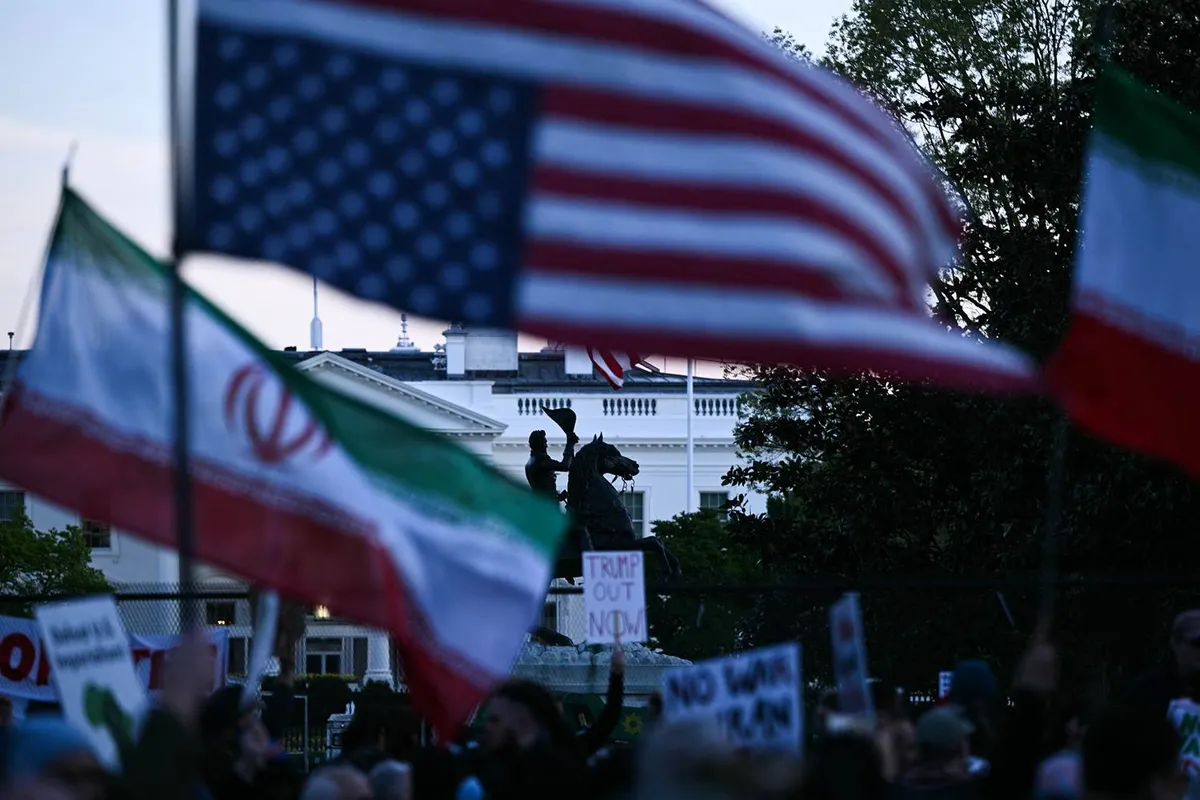
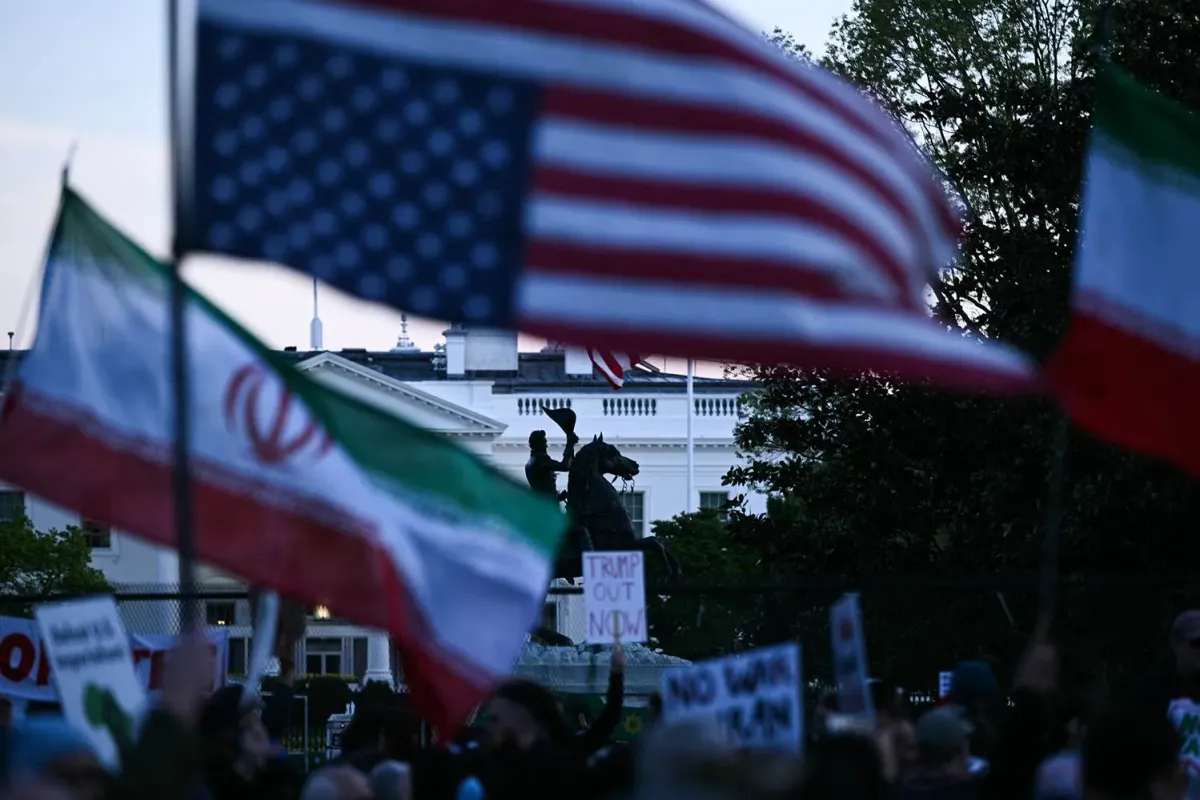
The United States and Iran have agreed to a two-week cease-fire, according to a report by Foreign Policy, with the announcement coming less than two hours before a deadline set by President Donald Trump was scheduled to lapse.
The agreement marks a significant, if temporary, de-escalation between the two countries, which have long maintained a state of deep hostility. Details of the broader framework surrounding the deal - described by Foreign Policy as a 10-point plan linked to the Strait of Hormuz - suggest the cease-fire is intended to create space for further diplomatic negotiations.
A last-minute agreement
The timing of the announcement underscored the urgency of the negotiations. With Trump's deadline bearing down, the two sides reached an accord in what appeared to be a compressed final round of talks. The nature of Trump's threatened response if the deadline passed was not immediately detailed in available reporting.
The Strait of Hormuz, referenced in the reported 10-point framework, is one of the world's most strategically critical waterways. Roughly 20 percent of global oil trade passes through the narrow passage between Iran and the Arabian Peninsula, making any military or political tension in the region a matter of international economic concern.
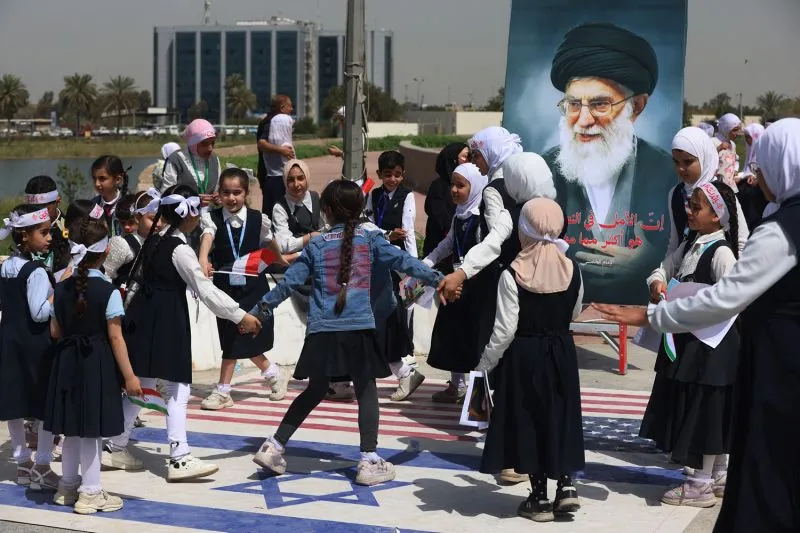
Context and significance
Relations between Washington and Tehran have been strained for decades, intensifying following the United States' withdrawal from the 2015 Joint Comprehensive Plan of Action nuclear deal during Trump's first term. Subsequent years saw escalating sanctions, proxy conflicts, and periodic military confrontations.
A two-week cease-fire, while limited in scope, represents a notable pause in that pattern of escalation. Analysts and policymakers are likely to watch closely whether the pause translates into a more durable diplomatic process or proves short-lived.
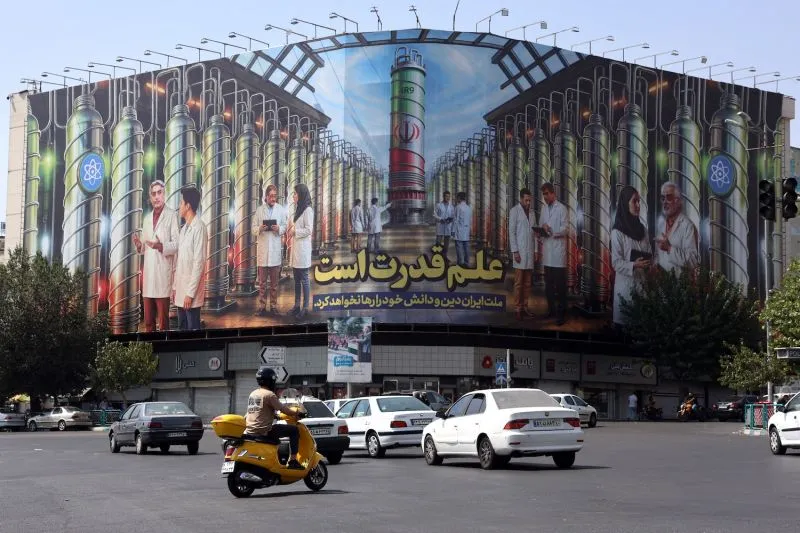
The full terms of the reported 10-point plan, including any commitments made by either party regarding nuclear activity, regional military posture, or sanctions relief, had not been fully detailed in reporting available at the time of publication.
What comes next
The two-week window created by the cease-fire is expected to serve as a framework for continued negotiations. Whether those talks produce a longer-term agreement remains uncertain. Both governments have historically faced domestic political pressures that complicate sustained diplomacy.
Foreign Policy, which broke the story, cited the agreement in the context of direct or indirect talks that appear to have been underway in the lead-up to the deadline. Further details on the mediating parties, if any, and the venue of negotiations were not immediately confirmed.