As NASA advances its plans to return humans to the Moon, U.S. military officials are signaling that national security interests will follow close behind, according to a report by Ars Technica.
Defense planners have begun articulating a need to establish some form of military awareness or presence in cislunar space - the region between Earth and the Moon - as activity in that zone is expected to grow significantly in the coming years.

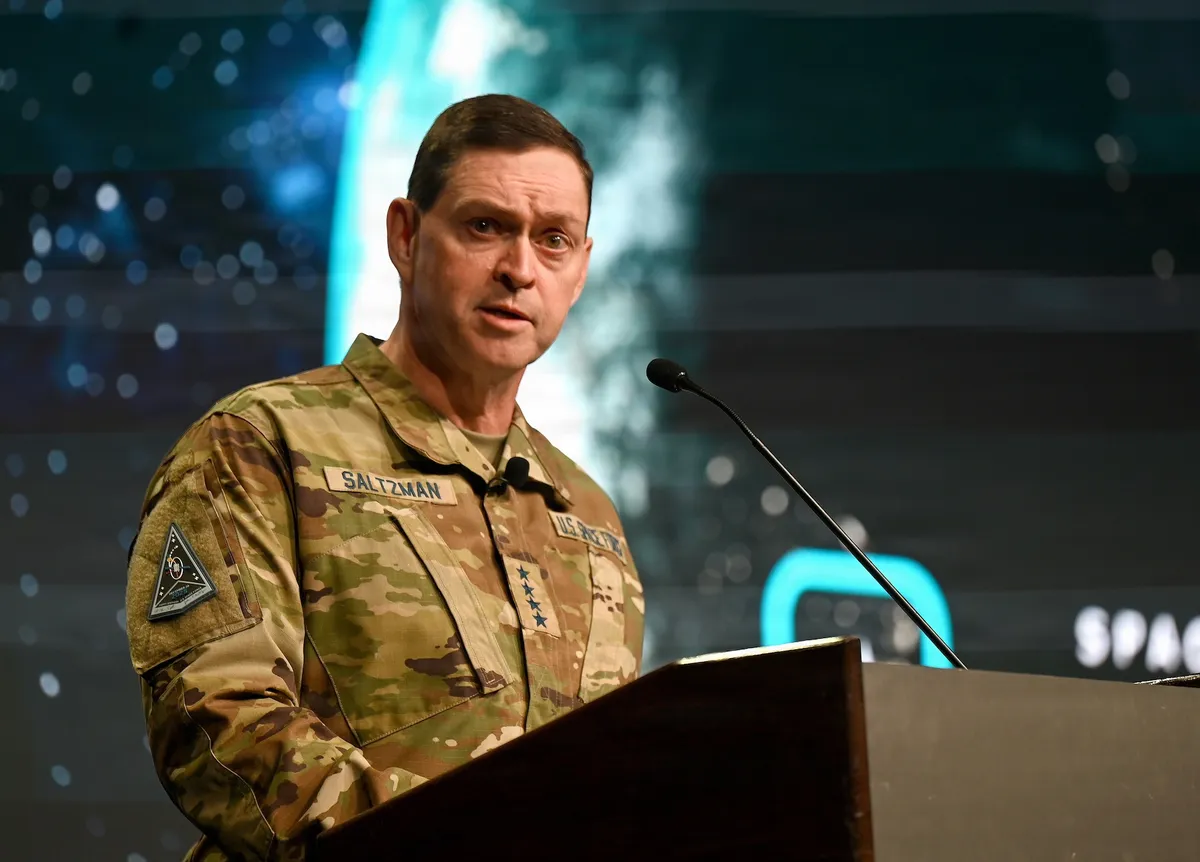
"I just don't want to get caught flat-footed when we start to have to protect U.S. interests out there," an official was quoted as saying in the Ars Technica report, reflecting a broader concern within defense circles about the pace of development in lunar territory.
A new strategic frontier
NASA's Artemis program has positioned the United States as the lead civil actor in humanity's return to the Moon, with plans for sustained lunar surface operations. However, defense analysts and military officials have noted that where national assets and economic interests go, security considerations tend to follow.
The cislunar domain presents unique challenges for traditional military monitoring and space situational awareness. Current systems designed to track objects in Earth orbit are not well-suited to covering the vast distances involved in lunar approaches, making it difficult to detect or identify potential threats or competing activities in that region.
Competing interests in space
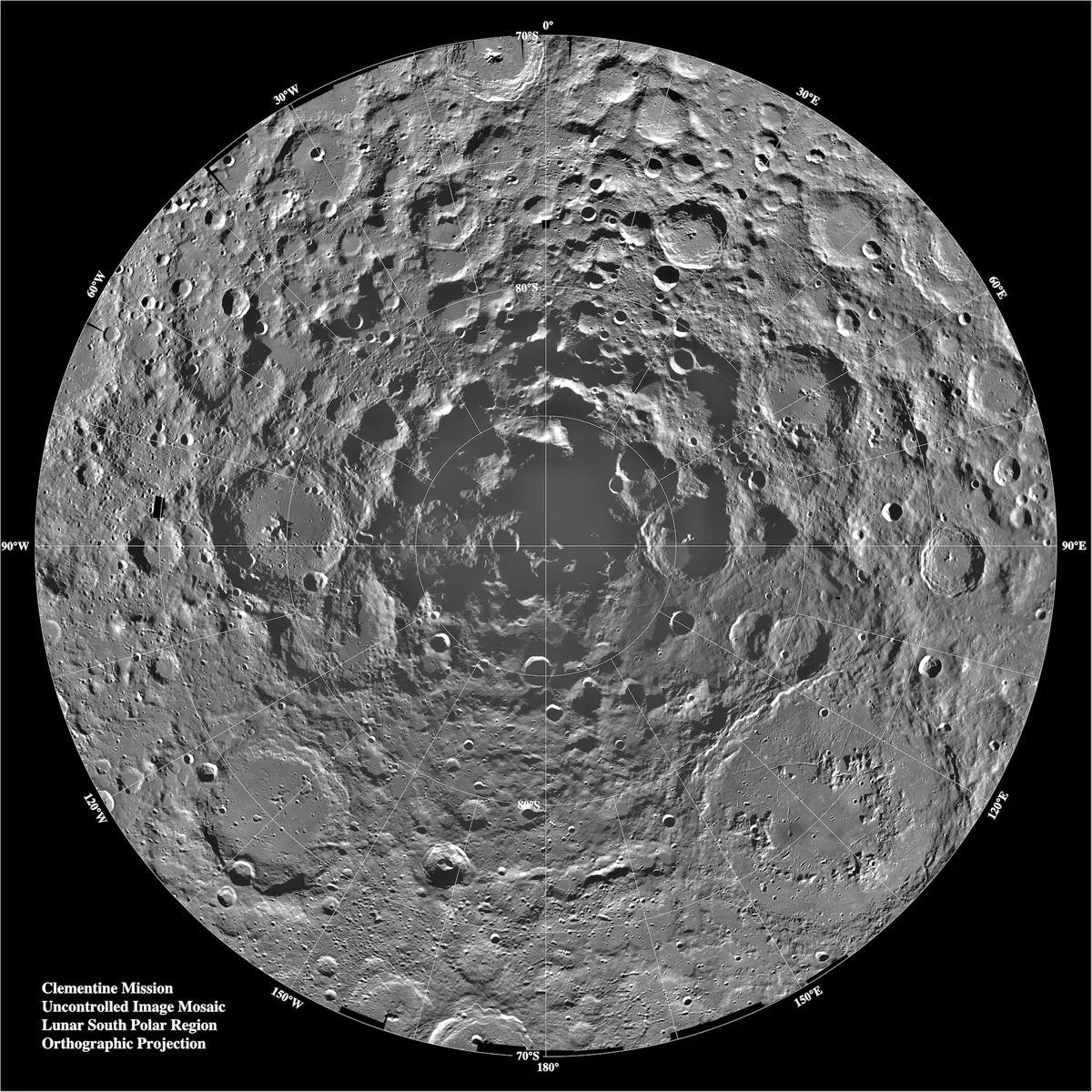
The push for a military role near the Moon comes as other nations, including China, have outlined their own ambitious lunar exploration and development programs. China has announced plans for a crewed Moon landing before 2030 and has discussed establishing a permanent research station at the lunar south pole - an area that NASA and its international partners have also targeted due to the presence of water ice.
The convergence of multiple national programs on the same lunar region has raised questions about resource competition, governance, and the applicability of existing space law frameworks, including the 1967 Outer Space Treaty, which prohibits the placement of weapons of mass destruction in space but does not address many scenarios involving commercial extraction or military support operations.
Policy still taking shape
No formal military mission specific to cislunar space has been publicly announced, and officials appear to be in early stages of defining what a defense role in that environment would actually look like. The statements reported by Ars Technica suggest an awareness gap that planners are attempting to address before it becomes a strategic liability.
The U.S. Space Force, established in 2019, has been tasked broadly with protecting American interests in space, though its operational focus has remained concentrated on Earth orbit to date.