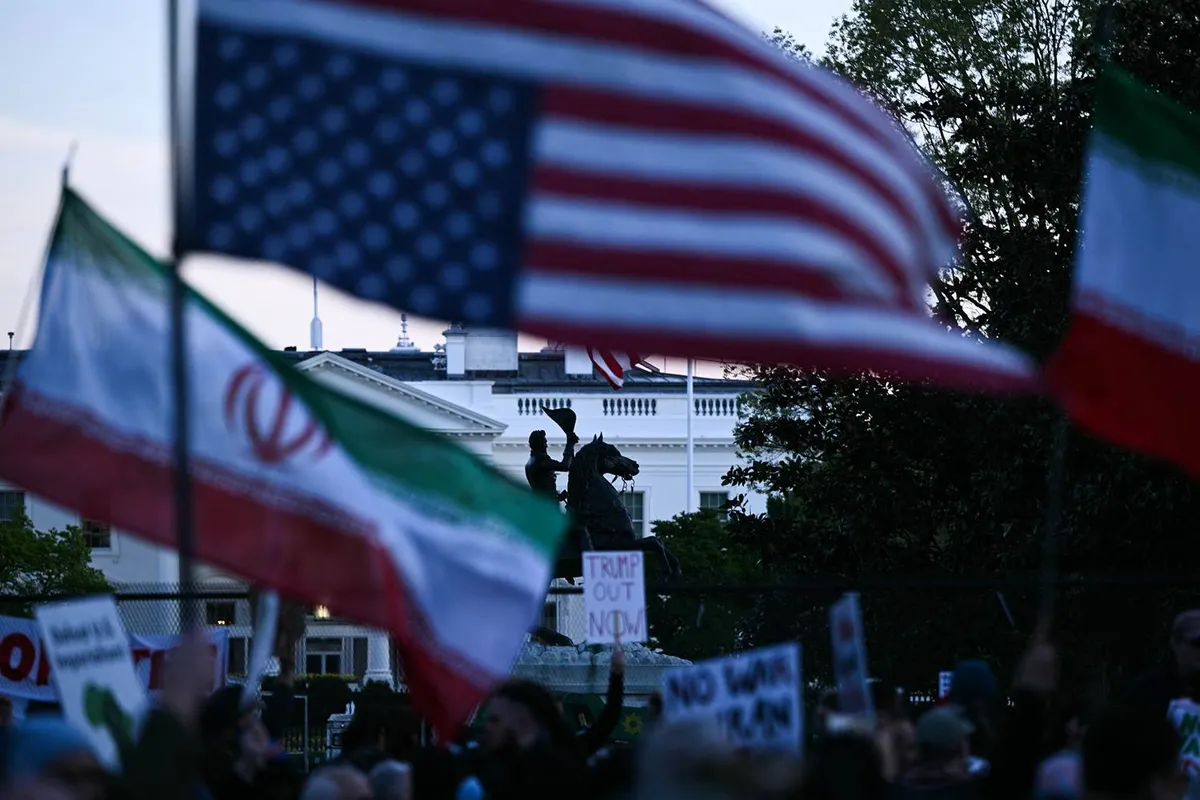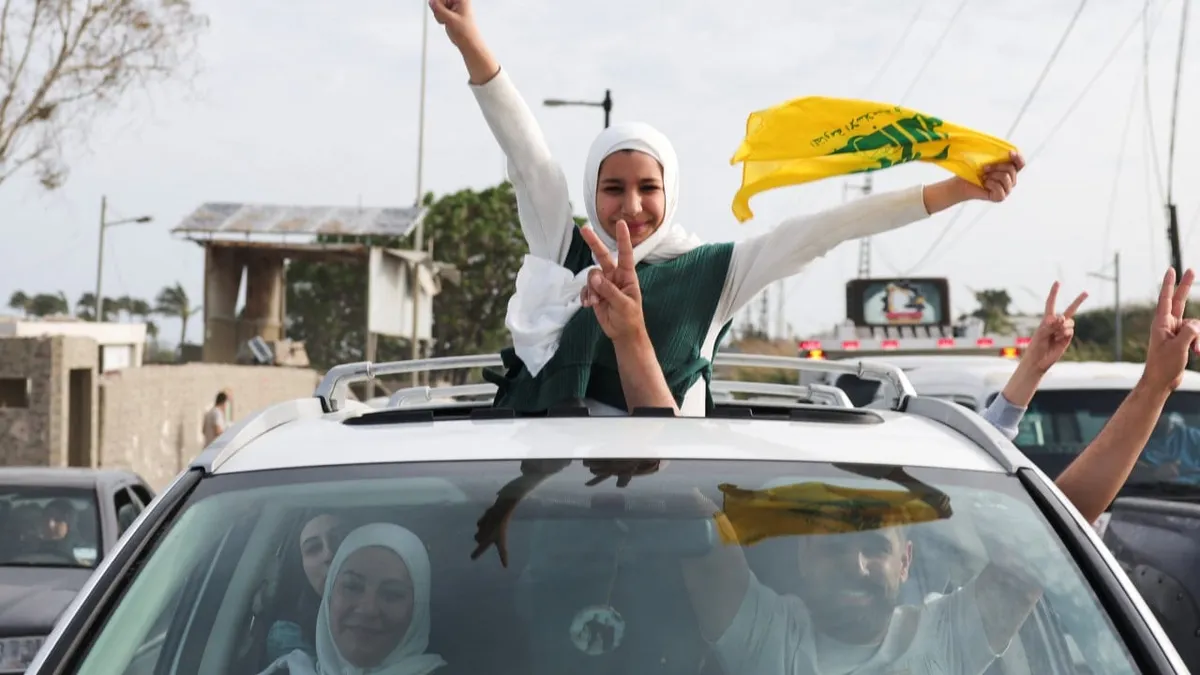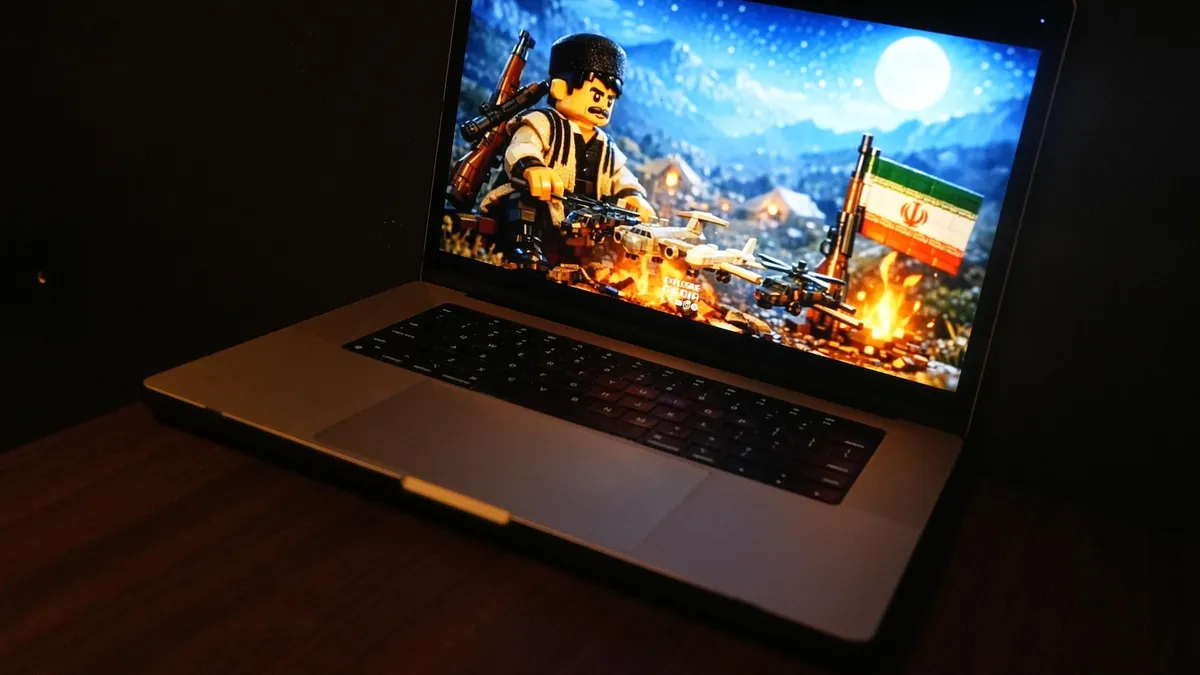
Pro-Iran groups have been deploying artificial intelligence tools to produce polished, English-language internet memes aimed at shaping public perception of the ongoing conflict involving the United States and Israel, according to a report by ABC News.
The campaigns represent a notable evolution in state-aligned information operations, with AI enabling the rapid creation of visually sophisticated content tailored to Western audiences. The material has been designed to foster opposition to U.S. and Israeli military actions and, in some cases, specifically targets President Donald Trump.
A shift in influence tactics
The use of AI tools allows these groups to produce content at a scale and quality that would previously have required significantly greater resources. Researchers tracking the campaigns note that the English-language focus signals a deliberate attempt to reach audiences beyond Iran's traditional sphere of influence and seed dissent within Western publics.
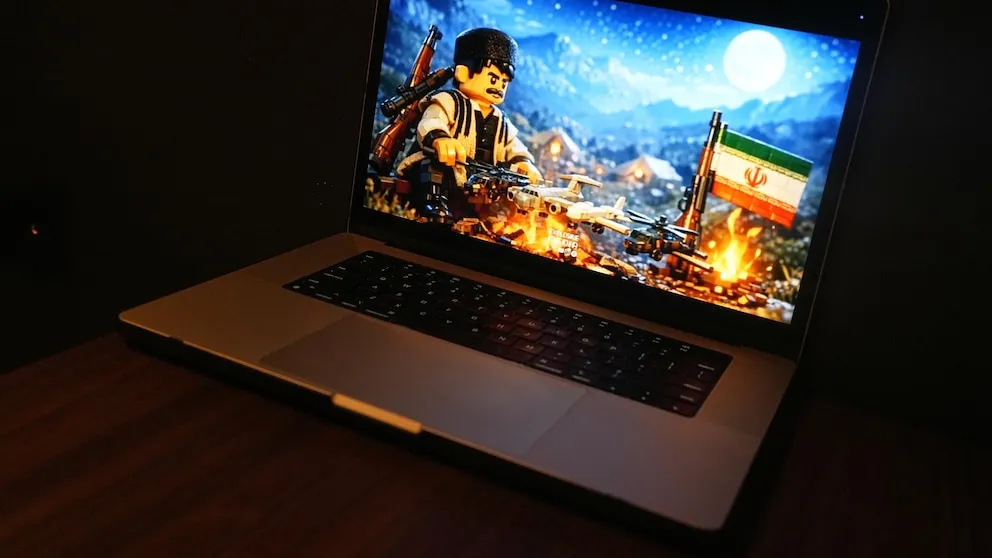
The memes and related content have circulated across major social media platforms, blending into the broader ecosystem of political commentary that surrounds the conflict. The professional appearance of the material makes it more difficult for casual users to identify its origins.
Narrative control as a strategic goal
Information operations analysts have long observed that wartime influence campaigns aim to do more than spread disinformation - they seek to set the terms of debate. By flooding online spaces with particular framings of events, such campaigns can shape how audiences interpret battlefield developments, diplomatic moves, and civilian casualties.
The targeting of Trump specifically suggests the groups are attempting to exploit existing political divisions within the United States, leveraging domestic polarization to amplify their messaging without requiring users to know the content's origin.
Broader context
Iran and its affiliated networks have previously been linked to influence operations targeting U.S. elections and foreign policy debates. The integration of generative AI tools into these efforts marks an escalation in technical sophistication, reflecting a trend seen across multiple state and non-state actors globally.
The findings add to growing concerns among cybersecurity researchers and government officials about the role of AI in lowering the barrier to entry for large-scale propaganda production. Platforms have faced increasing pressure to detect and remove AI-generated influence content, though the speed of production often outpaces moderation efforts.
ABC News, which reported the findings, did not name the specific groups involved or detail the full methodology used by researchers to attribute the content to pro-Iran actors.