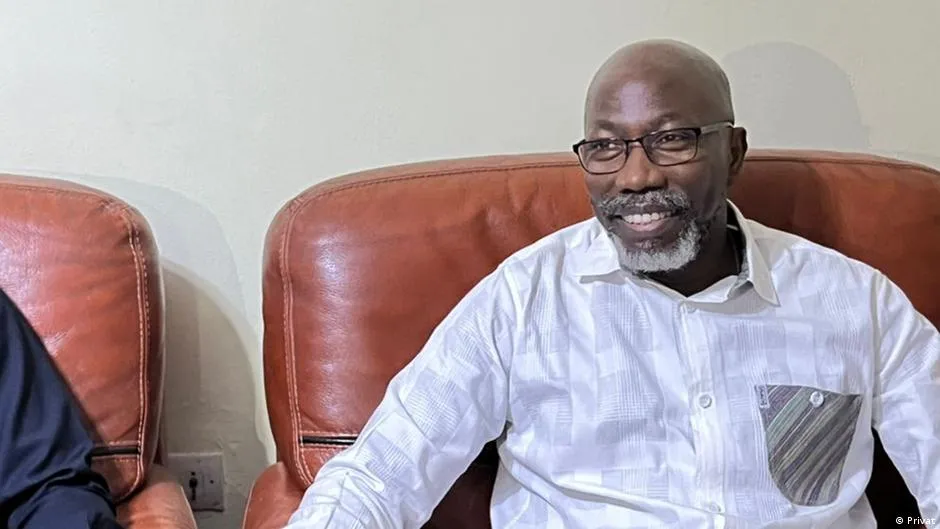
If you needed a sign that West African political drama was hitting new heights in 2025, look no further than Guinea-Bissau, where opposition leader Domingos Simoes Pereira remains confined to his home months after a coup rattled the tiny coastal nation. According to Deutsche Welle, the ongoing detention is deepening an already messy political crisis and fraying the country's relationships with international partners who are growing visibly impatient.
So what is actually going on?
Pereira, who leads the African Party for the Independence of Guinea and Cape Verde (PAIGC) - the country's main opposition party - has been under house arrest since the political upheaval that shook Guinea-Bissau. The detention has no clear end in sight, and authorities have not exactly been flooding reporters with transparent explanations.
The situation is raising eyebrows not just domestically but among regional and international observers. Guinea-Bissau has a long and turbulent history of coups - it has experienced more government collapses per capita than almost any other nation on Earth, which is saying something - but the prolonged targeting of a major opposition figure is being flagged as a particularly alarming escalation.
Why should you care (besides the obvious human rights stuff)?
Beyond the immediate injustice of locking up your political opponents, there is a very practical geopolitical dimension here. Guinea-Bissau depends heavily on foreign aid and international goodwill to keep its economy from completely collapsing. Squeezing the opposition leader for months on end is not a great look when you need development partners to keep writing checks.
International partners are reportedly growing increasingly frustrated, according to DW's reporting, and the diplomatic temperature is rising. Nobody is talking sanctions yet - at least not loudly - but the patience reservoir is clearly draining fast.
The bigger picture
Guinea-Bissau's political instability is not new. Since independence in 1974, the country has cycled through coups, counter-coups, and political crises with alarming regularity. What makes this moment different is the brazenness of targeting a prominent civilian opposition leader in a way that is hard for international observers to simply look away from.
Pereira is not a fringe figure. He is a serious political player who has run for the presidency and commands genuine popular support. Keeping him locked in his house is the kind of move that tends to build martyrdom faster than it builds stability.
As of the time of DW's reporting, no charges have been formally and transparently laid out, and no trial date has been set. Pereira remains at home, the crisis deepens, and Guinea-Bissau continues its tradition of making governance look extremely complicated.