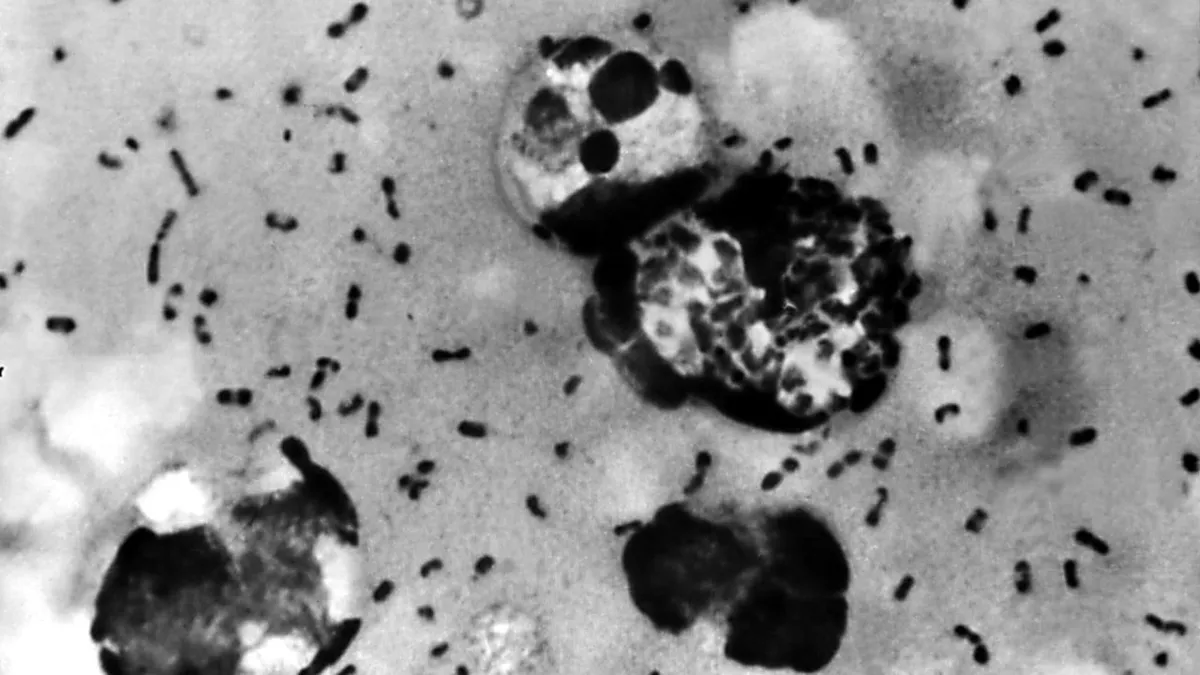
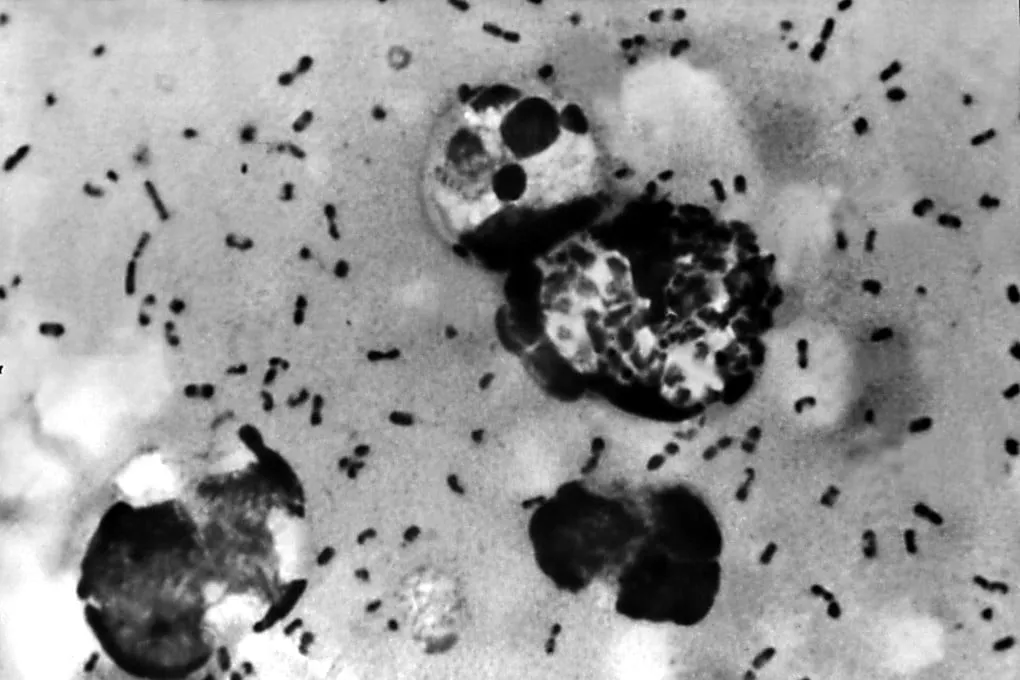
Bad news for anyone who thought the plague was just a medieval problem: scientists have now confirmed that humanity's long, miserable relationship with Yersinia pestis - the bacterium behind the plague - stretches back roughly 5,500 years, according to new research reported by the South China Morning Post. That is about 200 years older than the previous record, which already wasn't exactly a feel-good discovery.
Your great-great-great (times 200) grandparents were not having a good time
To put 5,500 years in perspective: this predates the construction of Stonehenge. It predates the earliest Egyptian pyramids. And apparently, it also predates what scientists previously considered the oldest known plague outbreak. So while ancient humans were busy inventing agriculture and figuring out pottery, the plague was already in the group chat, uninvited as always.
The researchers behind the discovery believe that studying the deep history of the disease is key to understanding how pathogens evolve and why some outbreaks become catastrophic. As they put it, according to the South China Morning Post, understanding the history of the plague is essential to understanding our own history as a species.
From ancient outbreak to the Black Death - a greatest hits of misery
The plague's most notorious moment in the spotlight was the 14th-century Black Death, which tore through Europe and wiped out a staggering proportion of the continent's population - estimates range from a third to potentially half of all Europeans. It reshaped economies, religions, and entire societies in ways historians are still untangling today.
But the Black Death was not the beginning of the story. Not by a long shot. This new research suggests the plague had already been quietly terrorising human populations for millennia before medieval Europeans got the worst of it.
Still with us, but manageable (for now)
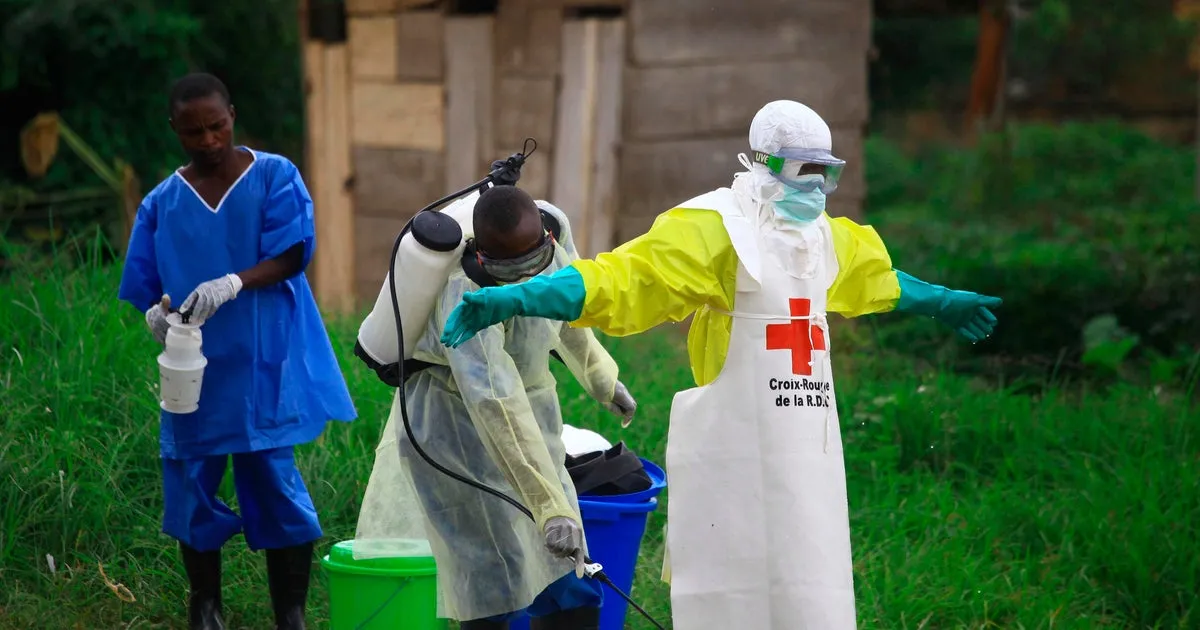
Here is the part that might make you shift uncomfortably in your chair: the plague has not gone anywhere. Cases still occur today, primarily in parts of Africa, Asia, and the American Southwest. The good news - and yes, there is good news - is that modern antibiotics are effective at treating it, provided it is caught early enough.
So while the discovery of an even older outbreak is genuinely unsettling from a "our species has been suffering forever" standpoint, it is also a useful reminder that understanding ancient pathogens is not just an academic exercise. It is practical, ongoing public health work dressed up in archaeology clothes.
The plague: been here longer than we knew, still here now, and apparently not going anywhere without a fight.