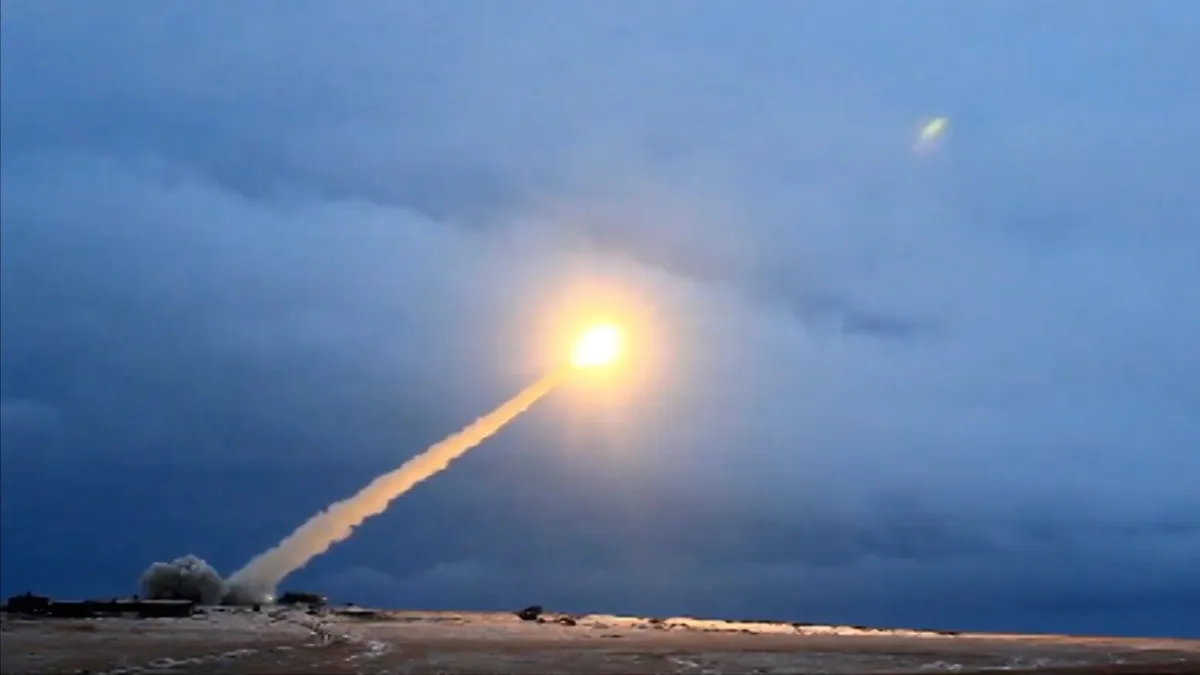
Good news, everyone: MIT researchers have cracked the mystery of how Russia's nuclear-powered "Skyfall" missile actually stays airborne. Bad news: the answer is essentially "by turning the sky into a Chernobyl souvenir shop."
According to a report covered by NPR, researchers at MIT believe they have reverse-engineered the flight mechanics of Russia's Burevestnik missile - NATO codename "Skyfall" - a weapon so audacious in its design that it makes other weapons of mass destruction look quaint by comparison. The missile is powered by an onboard nuclear reactor, giving it theoretically unlimited range. The catch? It leaves a trail of radioactive exhaust wherever it goes.

So how does the thing actually fly?
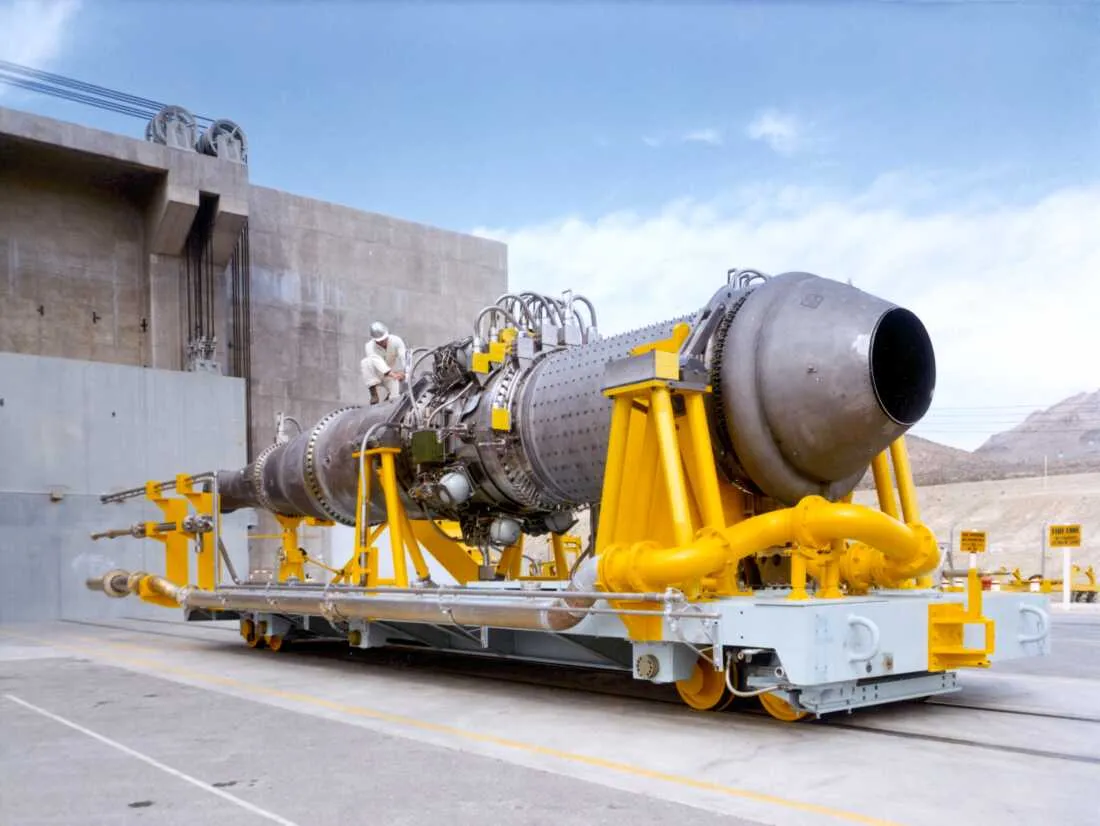
The basic concept, as the MIT team apparently pieced together, involves using a nuclear reactor to superheat air that gets blasted out as thrust. Elegant, in a "I cannot believe anyone thought this was a good idea" kind of way. The missile does not need to carry conventional fuel, which is why Russia has touted it as essentially unstoppable - able to fly low, slow, and for as long as it wants before delivering a nuclear warhead.
One analyst quoted in the NPR piece did not mince words about the concept:
"It's almost certainly a terrible idea. But it's not an impossible idea."
Which, honestly, is the most MIT sentence ever written.
The "dirty" problem nobody is ignoring
The elephant in the radioactive room is what happens to everywhere the missile flies over. A nuclear-powered ramjet does not come with a clean exhaust pipe. Critics and analysts have pointed out that even a successful Skyfall test flight would contaminate the airspace - and potentially the ground below - with radioactive particles. Russia's own testing history appears to back this up: a reported 2019 explosion at a Russian test site, widely attributed to a Burevestnik accident, caused a spike in local radiation levels and killed several scientists, according to previous reporting.

So to summarize: this is a weapon that could potentially irradiate its own flight path before it even reaches a target. It is the geopolitical equivalent of showing up to a fistfight by punching yourself in the face first, except the face is a sovereign nation's atmosphere.
Why does this matter now?
The MIT analysis is significant because independent verification of how this system works - or is intended to work - helps Western analysts assess the actual threat level rather than relying on Russian state claims. Russia has repeatedly showcased the Burevestnik as part of its next-generation nuclear deterrent arsenal, and understanding the technical reality behind the propaganda is, as the researchers would put it, non-trivially important.
The full details of the MIT findings were reported by NPR on June 18, 2026.