If you've been casually shopping for flights out of Hong Kong this summer and noticed that something feels... off, congratulations - you're not imagining things. Airlines have been quietly swapping out jet sizes and trimming scheduled departures like they're on some kind of austerity diet, all in a bid to manage runaway fuel costs. The result? Hong Kong International Airport is bracing for a notable shift in passenger and flight volumes over the coming months.
The invisible hand of the fuel crisis
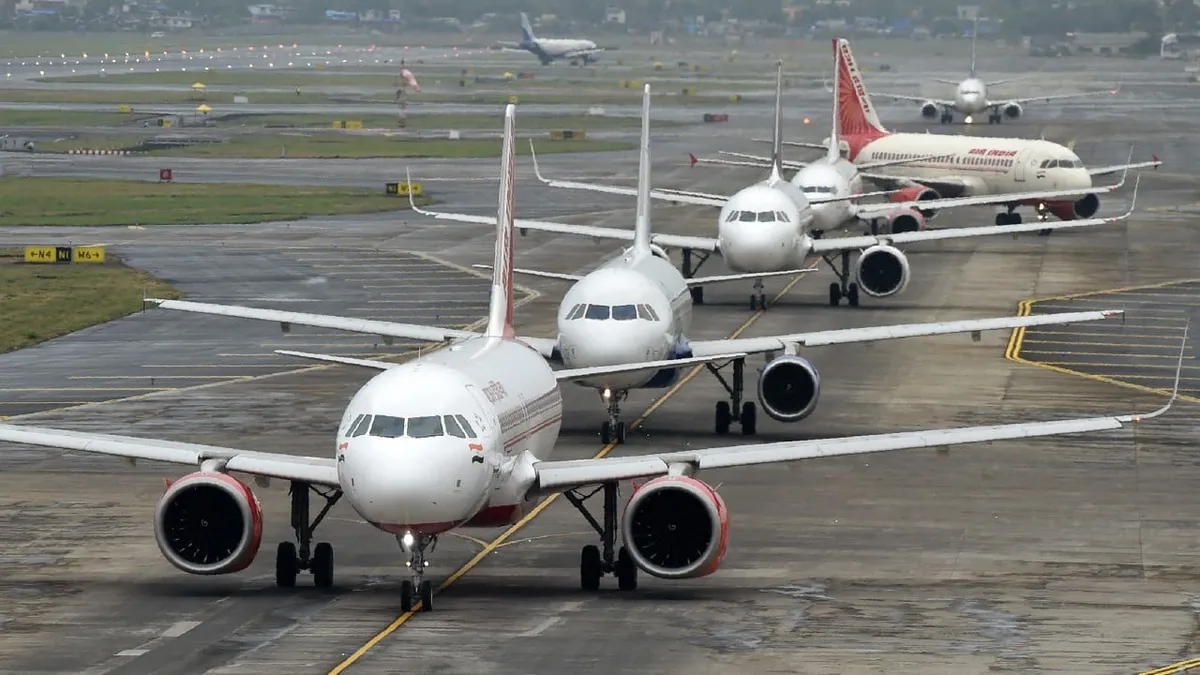
According to a report by the South China Morning Post, citing flight analytics firm Cirium, airlines have been consolidating routes and downsizing aircraft - swapping wide-body jets for smaller, more fuel-efficient alternatives - rather than cancelling flights outright. It's the aviation equivalent of quietly switching from a party bus to a Honda Civic and hoping no one notices.
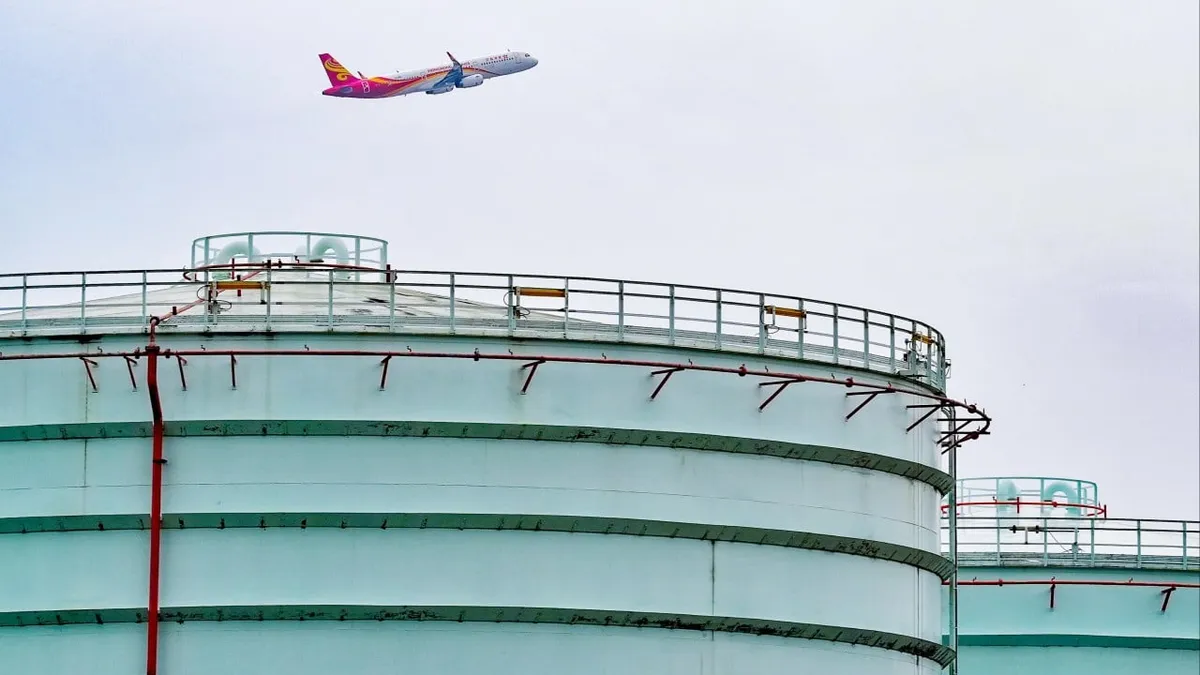
The culprit, broadly speaking, is the ongoing global fuel crisis, which has been supercharged by the conflict in the Middle East. Jet fuel prices don't exist in a vacuum, and when geopolitical chaos ripples through energy markets, it's travellers - especially those eyeing economy seats to Europe - who end up feeling the turbulence in their wallets. Economy fares to European destinations have reportedly jumped significantly.
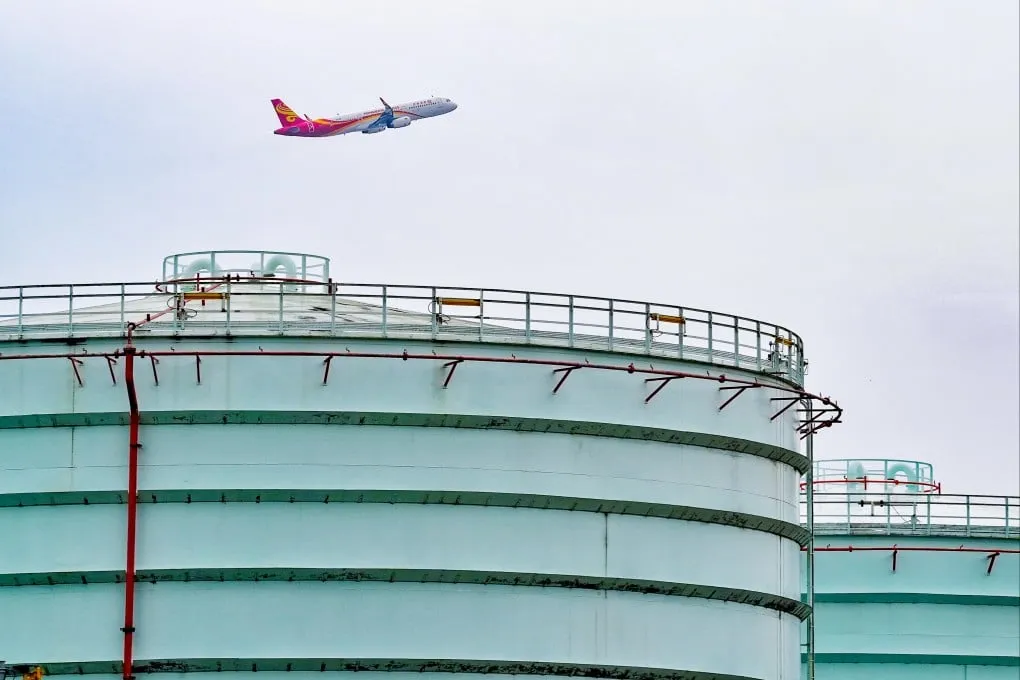
So are flights actually getting cancelled?
Not quite - at least not on paper. Several airlines told the South China Morning Post they plan to operate all scheduled flights beyond June, after an initial round of consolidation earlier in the season. The strategy appears to be less "we're cancelling your holiday" and more "we're quietly fitting fewer people onto fewer planes and hoping the math works out."
The net effect on Hong Kong's airport is a reshuffled volume profile for the summer - fewer seats available on some routes even if the flight still technically exists on the schedule. For travellers, that can mean higher fares, fewer upgrade opportunities, and the general vibe of flying in a world that is stubbornly refusing to get cheaper.
What this means for the hub
Hong Kong International Airport has been on a recovery arc since the pandemic gutted international aviation, and this latest wrinkle is a reminder that the road back to full capacity is rarely a straight line. Airlines are essentially playing a high-stakes game of Tetris with their fleets, trying to maximise revenue per flight while keeping operational costs from spiralling out of control.
Whether the summer shakes out as a minor blip or a more sustained squeeze on capacity remains to be seen. But for now, if you're flying out of Hong Kong anytime soon - maybe book sooner rather than later, and perhaps don't expect that middle seat to stay empty.