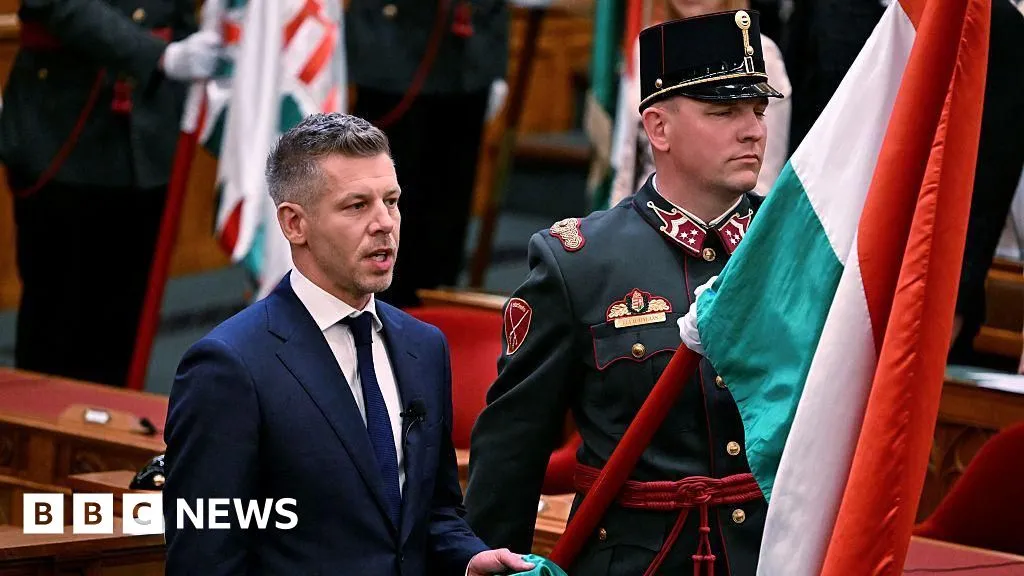
Hungary is closing the book on 16 years of Viktor Orbán's rule, as Péter Magyar prepares to be sworn in as the country's new Prime Minister following a landslide election victory for his Tisza party, according to a BBC report.
And yes - the inauguration is being framed as a literal 'regime change' party. Because apparently, when you topple one of Europe's most entrenched strongmen, you don't just shake hands in a beige conference room. You celebrate.
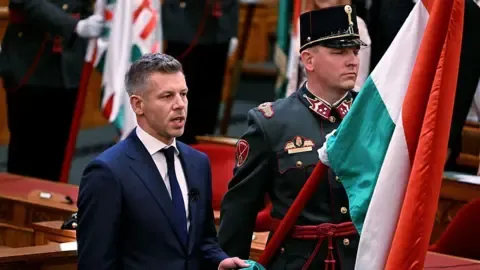
From opposition outsider to national boss speedrun
Nearly a month ago, Magyar pulled off what many political analysts considered a near-impossible feat: steering his Tisza party to a sweeping electoral victory that ended Orbán's grip on Hungarian politics - a grip that had lasted since 2010. That's longer than most people's gym memberships, considerably more consequential, and significantly harder to cancel.
Magyar had been a rising opposition figure who built momentum by directly challenging Orbán's government on issues ranging from corruption to democratic backsliding. His eventual victory represents one of the more dramatic political turnarounds in recent Central European history.
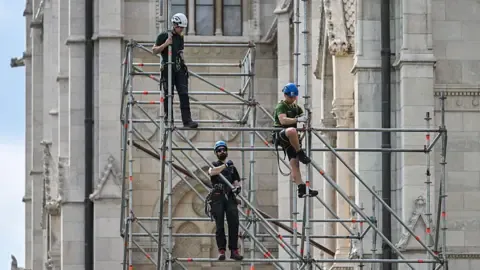
What this means for Hungary - and the rest of Europe
Orbán's tenure was marked by repeated clashes with the European Union over judicial independence, press freedom, and the rule of law. Brussels essentially had Hungary on a permanent naughty list, freezing billions in EU funds over governance concerns. A change in leadership carries enormous implications not just domestically, but for Hungary's fraught relationship with its EU partners.
For the bloc, Magyar's arrival is being watched closely. Whether Tisza will reverse course on key Orbán-era policies - including Hungary's notably warm stance toward Russia amid the war in Ukraine - remains to be seen, but expectations in Western European capitals are running high.
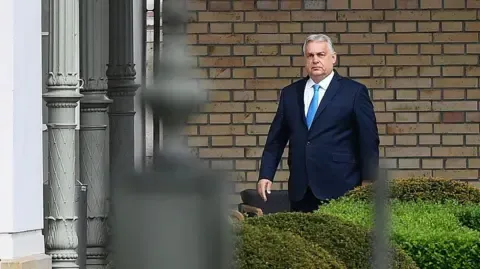
The party metaphor writes itself
Calling your own inauguration a 'regime change party' is either peak political theater or just genuine enthusiasm - possibly both. Either way, it signals that Magyar intends to draw a sharp, visible line between the old era and whatever comes next. Whether that line holds under the pressures of governing is, of course, the harder question.
For now, Hungary is waking up to a genuinely new political chapter. After 16 years, even the furniture gets rearranged.