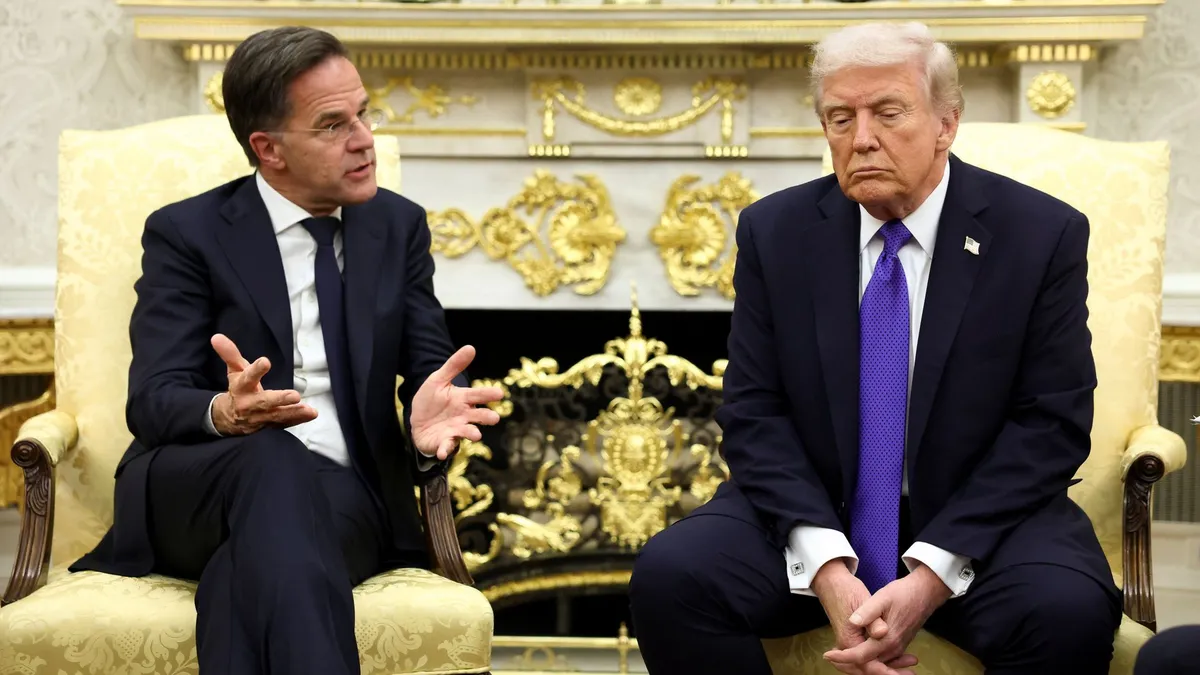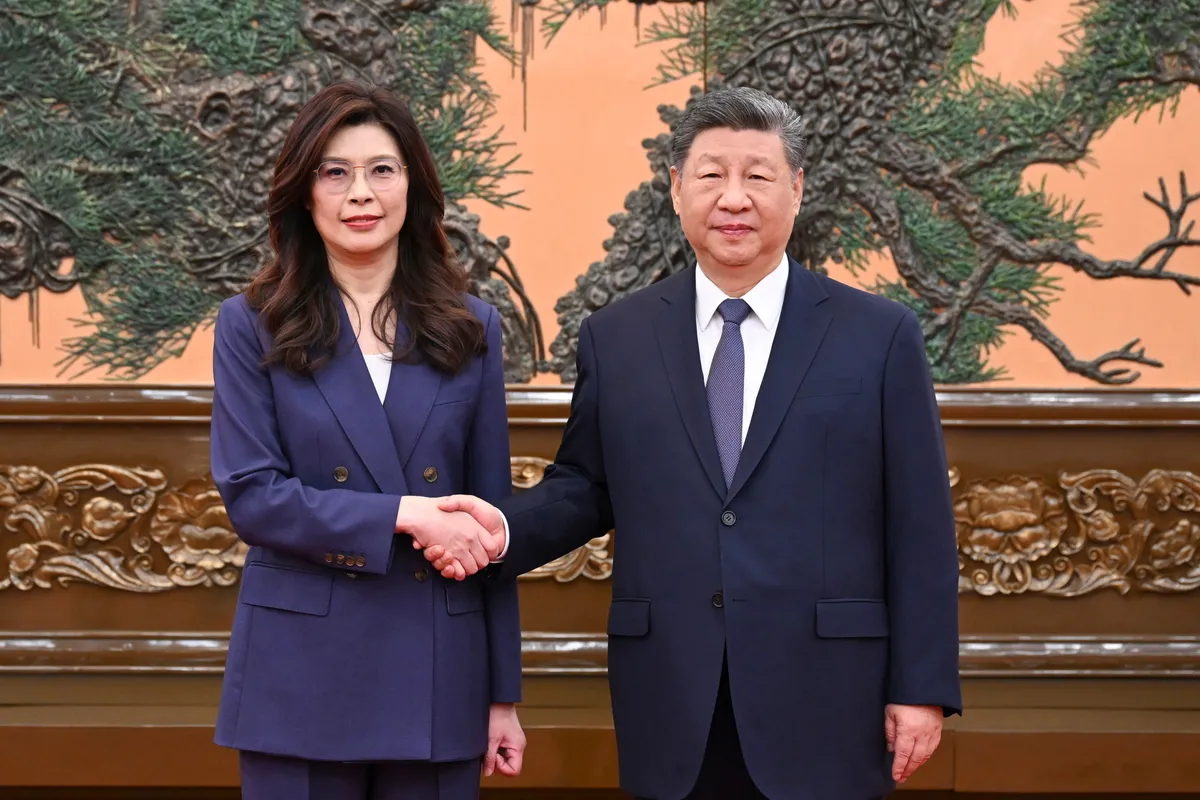
Viktor Orbán's 16-year grip on Hungary has come to an end, according to BBC reporting, with 45-year-old opposition leader Péter Magyar defeating the long-dominant prime minister in a landmark electoral result.
The outcome marks one of the most significant political shifts in Hungary in more than a decade, ending an era defined by Orbán's nationalist, socially conservative governance and his increasingly contentious relationship with European Union institutions.
Who is Péter Magyar?
Magyar is a former insider within Orbán's own political circle, a background that shaped his credibility as a critic of the ruling Fidesz party. He emerged as an opposition figure relatively recently, building a movement that resonated with voters seeking an alternative to the entrenched government.
His rise was rapid by the standards of Hungarian politics, where Orbán's Fidesz party had long maintained a commanding hold on media, institutions, and electoral machinery.
Voter reaction
Supporters of Magyar described the result as a "much-needed" change, according to the BBC's coverage, with scenes of celebration among those who had grown frustrated with Orbán's administration. For many voters, the result represented an opportunity to reset Hungary's political direction both domestically and within the broader European context.
Orbán's legacy
Orbán first came to power in 1998, returned in a landslide in 2010, and subsequently won repeated electoral victories that critics attributed in part to changes in electoral law and media consolidation favoring his party. During his tenure, he championed what he described as "illiberal democracy," clashed repeatedly with Brussels over rule-of-law concerns, and positioned Hungary as a dissenting voice within NATO on issues including the war in Ukraine.
His government faced sustained criticism from the European Parliament and human rights organizations over judicial independence, press freedom, and treatment of minority groups - criticisms the Orbán administration consistently rejected as politically motivated interference.
Regional significance
Hungary's election result will be closely watched across Central and Eastern Europe, where the balance between nationalist populism and pro-European governance has been a defining tension for years. The outcome also carries implications for EU cohesion policy and Hungary's access to bloc funding, which had been partially frozen over rule-of-law disputes.
Magyar's path to governing will not be straightforward. Analysts note that Fidesz has reshaped Hungarian institutions over 16 years in ways that will present structural challenges to any incoming administration seeking meaningful reform.
Further details on the vote count, coalition arrangements, and Magyar's proposed policy agenda were not available at the time of publication.