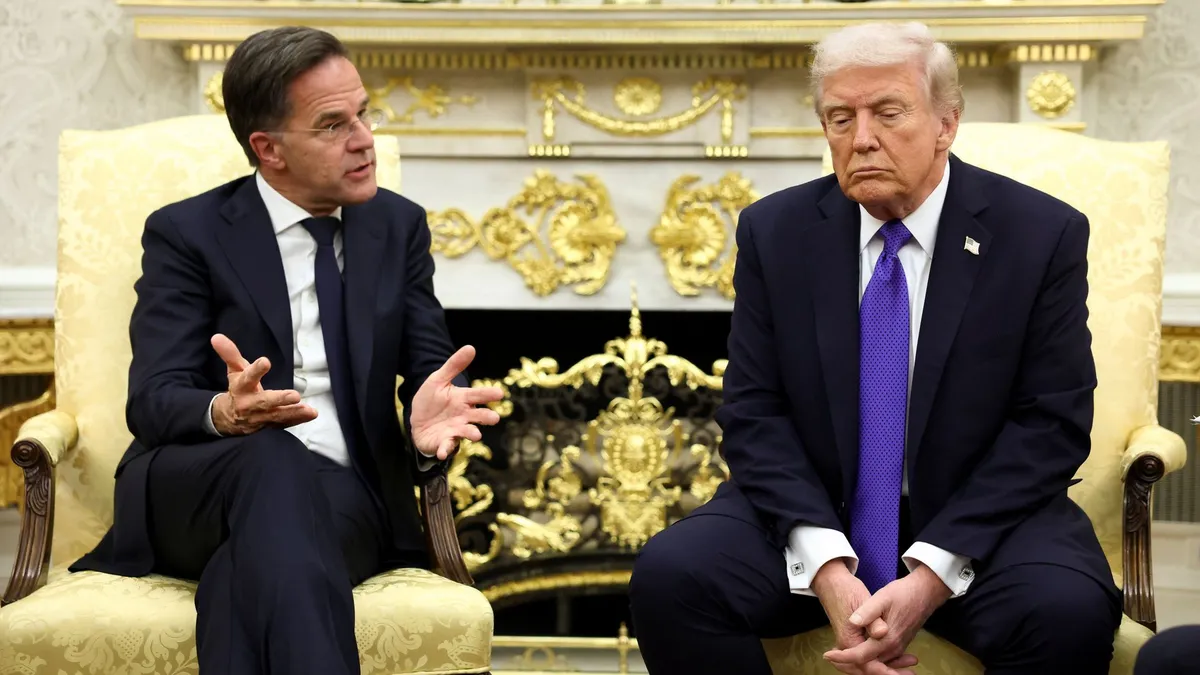
Donald Trump has reiterated his longstanding criticism of NATO following a meeting with the alliance's secretary general at the White House, raising fresh questions about Washington's commitment to the transatlantic security partnership.
The US president used the occasion to press his familiar argument that many NATO member states are not contributing enough to their own defense, a position he has held since his first term in office and returned to repeatedly since reclaiming the presidency.
According to reporting by Sky News, the meeting with NATO's secretary general did not appear to soften Trump's rhetoric toward the alliance. Instead, Trump emerged from the talks maintaining pressure on member countries to increase defense spending toward and beyond the alliance's agreed target of two percent of gross domestic product.
Long-running dispute over burden sharing
The question of defense spending has been a source of friction between the United States and its NATO partners for years. Trump has been among the most vocal critics of what he describes as an unequal financial burden placed on American taxpayers to subsidize the security of wealthier European nations.
Several NATO members have in recent years moved to meet or exceed the two percent spending threshold, in part due to sustained pressure from Washington and the security concerns raised by Russia's full-scale invasion of Ukraine in 2022. However, a number of alliance members still fall short of that benchmark.
NATO officials have generally responded to such criticism by highlighting the progress member states have made in increasing defense budgets and by underlining the collective value the alliance provides to all its members, including the United States.
Uncertainty over US commitment
Trump's repeated public challenges to the alliance have fueled debate among European governments and defense analysts about the reliability of the American security guarantee underpinning NATO's collective defense clause.
Some European leaders have responded by calling for greater strategic autonomy and increased investment in continental defense capabilities, arguing that Europe must be better prepared to provide for its own security regardless of the posture of any individual US administration.
The White House meeting comes at a period of heightened geopolitical tension, with the war in Ukraine ongoing and alliance members weighing their longer-term defense commitments. How the United States ultimately chooses to engage with NATO will have significant consequences for European security architecture in the years ahead.
Sky News reported on the developments following the Washington meeting, though detailed readouts from the discussions between Trump and the secretary general were not immediately available.