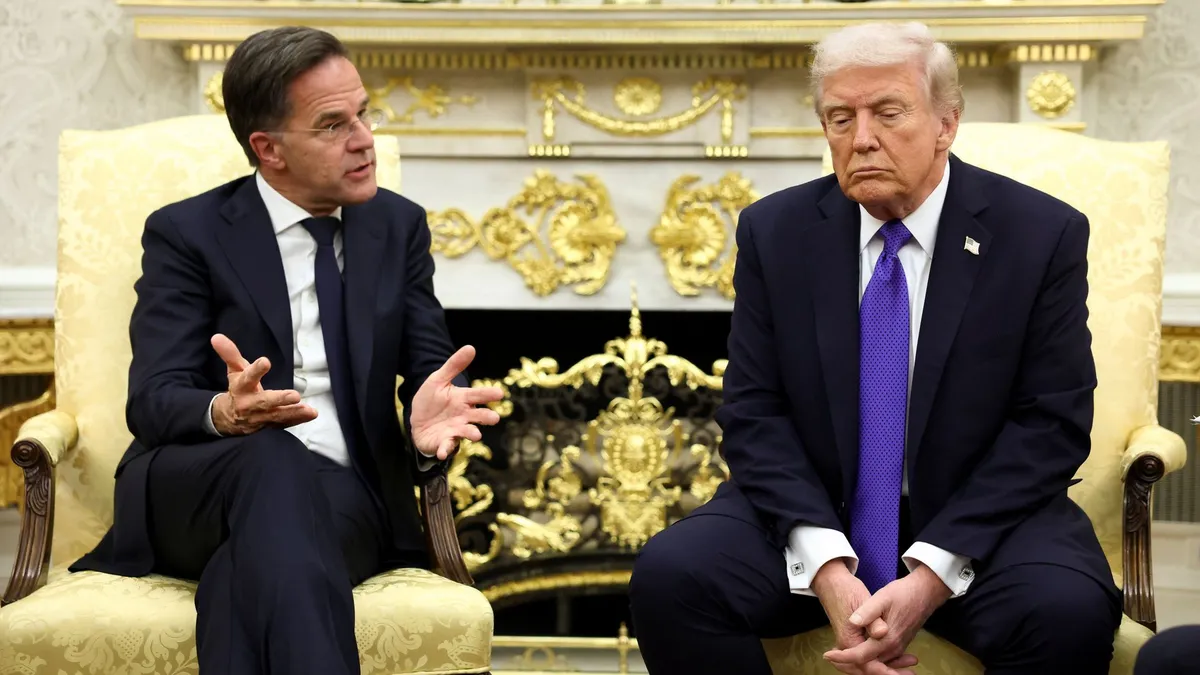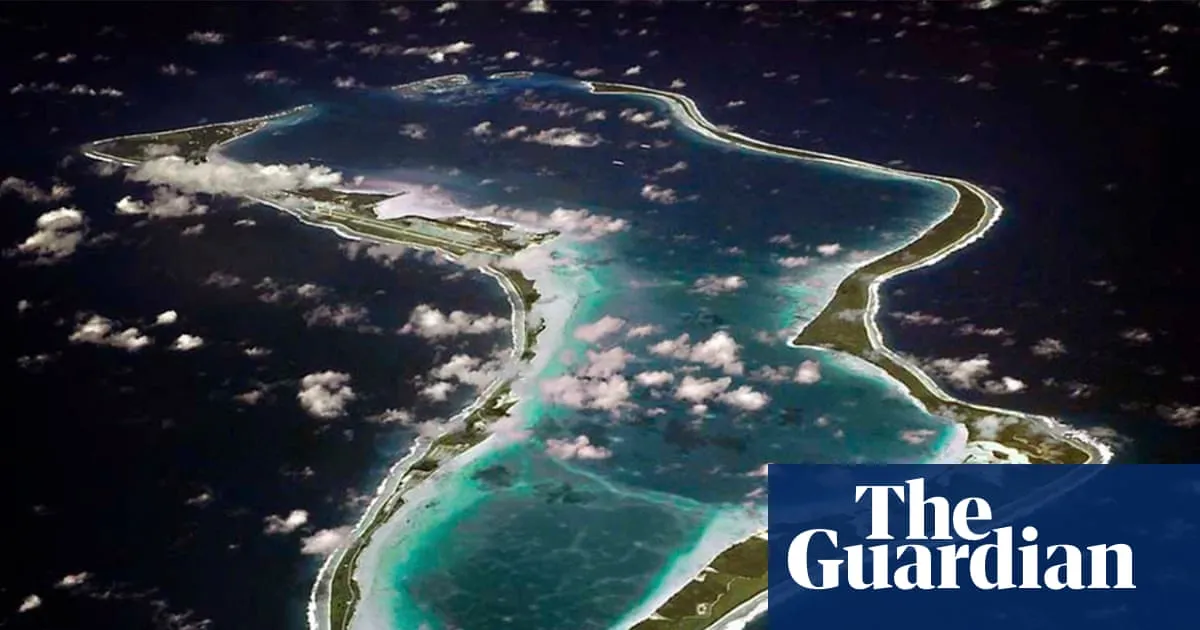
A proposed treaty that would have transferred sovereignty of the Chagos Islands to Mauritius has fallen apart, with a senior UK minister telling parliament that the deal is now "impossible to agree at political level" following a shift in the United States position under President Donald Trump.
Foreign Office minister Stephen Doughty made the announcement in the House of Commons, confirming that the corresponding legislation would not complete its passage through parliament, according to reporting by The Guardian.
Doughty acknowledged that the agreement with Mauritius had originally been negotiated in close coordination with Washington. However, Trump's administration appears to have withdrawn its backing for the arrangement, removing a key pillar of diplomatic support that had underpinned the deal.
Background to the dispute
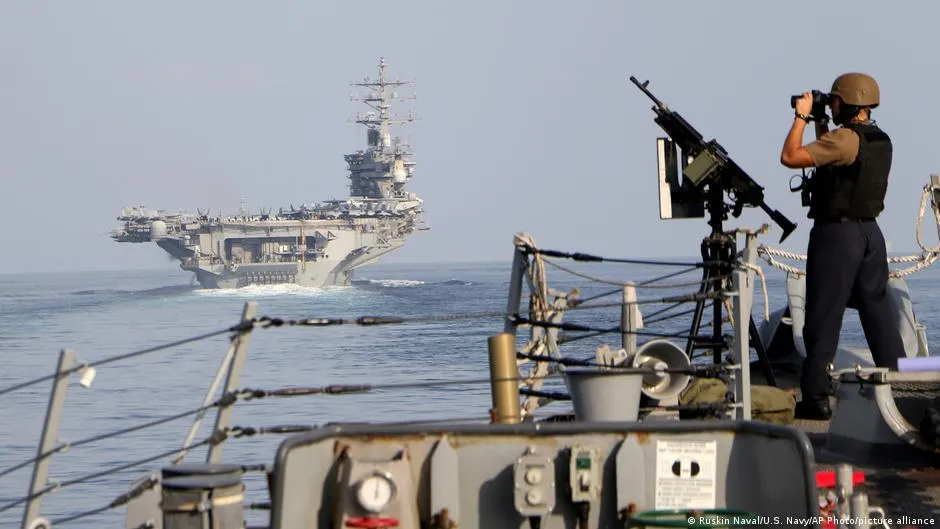
The Chagos Islands, located in the Indian Ocean, have been under British administration as part of the British Indian Ocean Territory since the 1960s. The archipelago is home to Diego Garcia, a strategically significant joint UK-US military base that plays a central role in operations across the Indo-Pacific and Middle East regions.
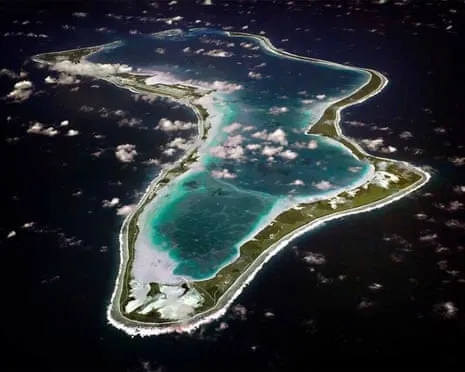
Mauritius has long claimed sovereignty over the islands, arguing the territory was unlawfully separated from the country before its independence in 1968. Negotiations over a handover deal had progressed significantly under the previous UK government, with the two sides reaching an agreement in principle that would transfer sovereignty while allowing the military base to continue operating under a long-term lease arrangement.
Diplomatic and strategic fallout
The collapse of the treaty raises fresh questions about the future status of the islands and the UK's broader foreign policy commitments in the region. Mauritius and its international supporters had pushed for the deal as a matter of decolonisation and international law.
The Trump administration had previously signalled scepticism about the arrangement, with officials reportedly concerned that ceding control of territory near a critical military installation could create security vulnerabilities or open the door to influence from rival powers.
With US support withdrawn, UK officials appear to have concluded that proceeding with the treaty would be politically untenable both domestically and in terms of the transatlantic relationship.
The announcement marks a significant setback for Mauritius, which had anticipated that the long-running territorial dispute was close to resolution. It also leaves the legal and diplomatic status of the islands in an uncertain position, with no clear timeline for resumed negotiations.