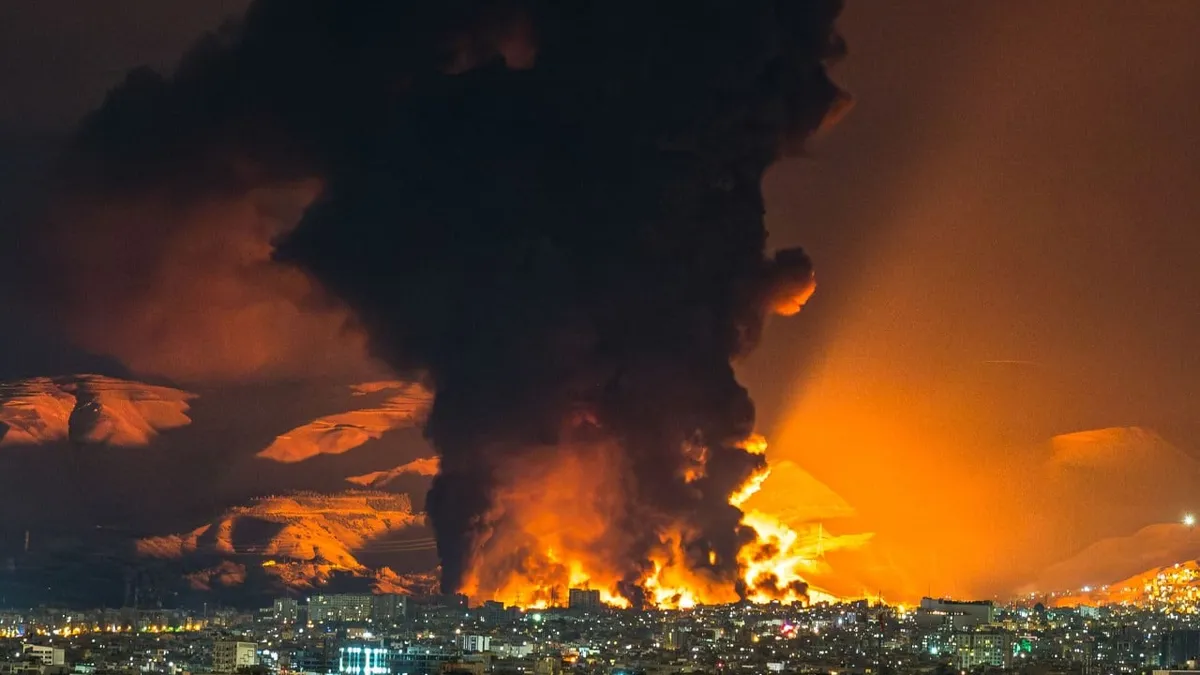
If you thought the hard part was surviving 40 days of American and Israeli bombing followed by a two-month naval blockade, think again. According to reporting by the South China Morning Post, Iran may have held its ground militarily, but its economy is now sitting in the corner wearing a dunce cap and holding a bill it absolutely cannot pay.
The numbers that make accountants weep
Here is the situation, laid out without mercy: three months of war - comprising relentless airstrikes from March through early April targeting energy grids, steel mills, petrochemical plants, ports, and transport corridors, followed by a US naval blockade that choked off whatever was left - has left Iran staring down an estimated $270 billion in damages. Against a GDP of roughly $371 billion, that is not a flesh wound. That is someone shooting your economy in both kneecaps and then sending a strongly worded letter.
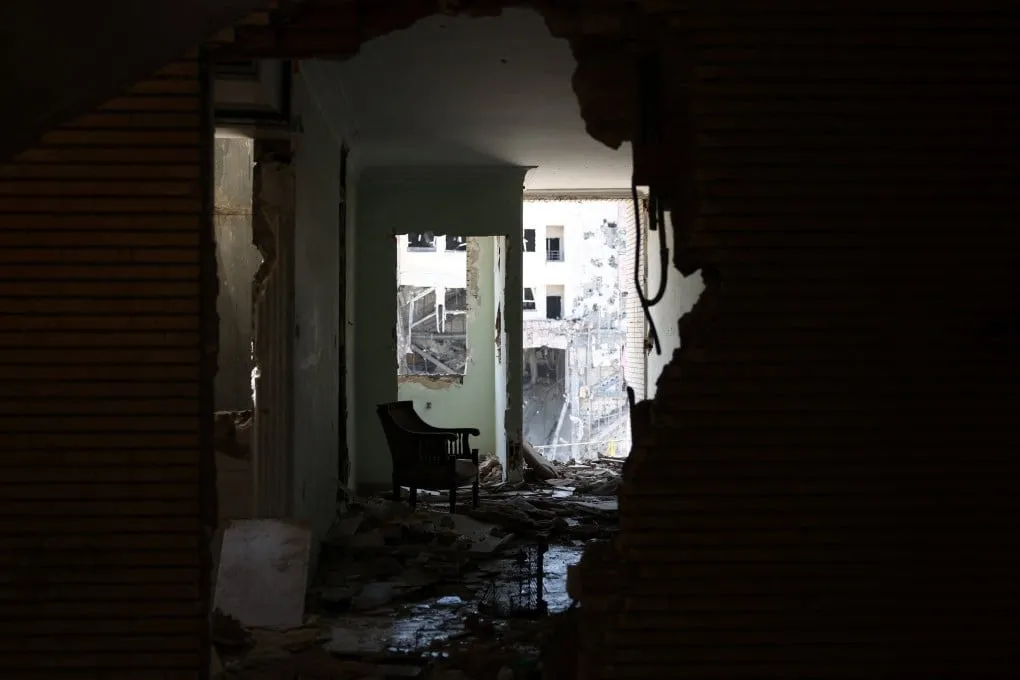
The math here is brutal and straightforward. Iran has effectively had nearly three-quarters of an entire year's economic output vaporized. No infrastructure package, no IMF bailout montage, no amount of "we shall rebuild" speeches makes that an easy fix.
Broke but not broken?
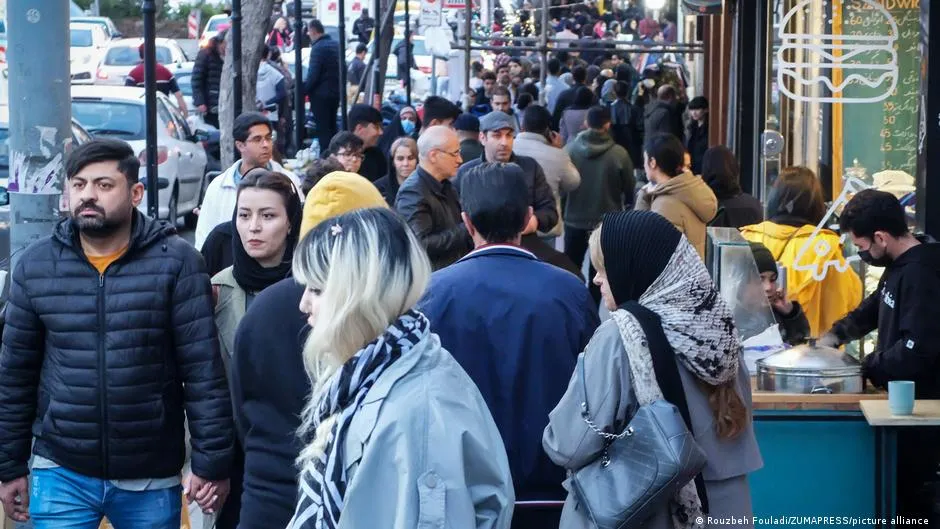
The South China Morning Post frames the central question with uncomfortable precision: Iran's resistance may not have been broken by the conflict itself, but surviving the aftermath is an entirely different kind of war - one fought with budget spreadsheets instead of missiles, and where the enemy is hyperinflation, unemployment, and crumbling public services.
For context, the targeted infrastructure was not peripheral. Energy grids, ports, and petrochemical plants are essentially the circulatory system of any modern economy. Hitting those is not just symbolic - it is a calculated move to ensure that even a ceasefire does not mean a return to normalcy. The naval blockade compounded this by sealing off trade routes that would normally allow some recovery breathing room.
So what happens next?
That is the trillion-dollar question - or in this case, the $270 billion one. Reconstruction at this scale requires international investment, sanctions relief, or both. Given the current geopolitical climate, neither appears to be rushing through the door with a casserole and a handshake. Iran's leadership has historically demonstrated a high tolerance for economic pain, but populations eventually have opinions about that sort of thing.
The coming months will reveal whether Iran's post-war resilience is as durable as its wartime resistance - or whether the real damage was always going to be measured not in craters, but in currency.