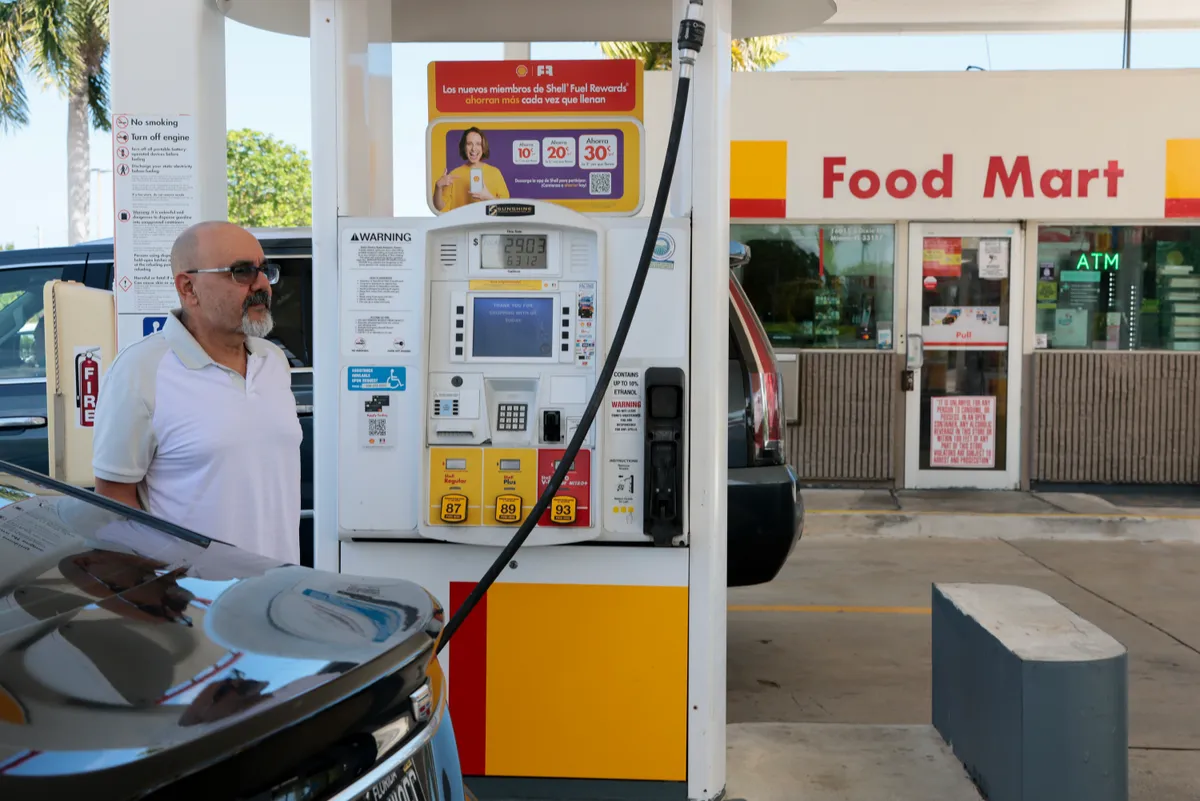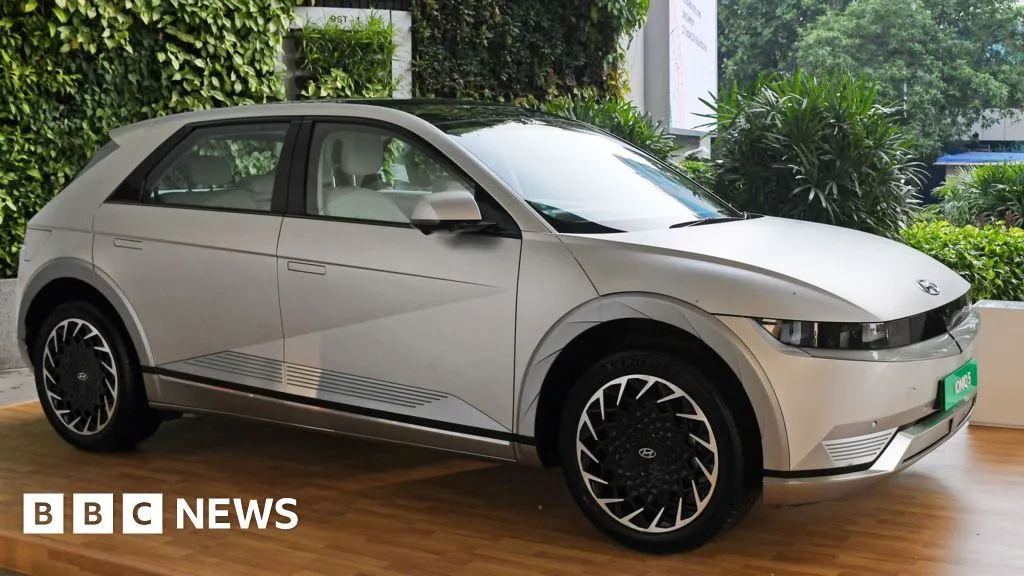
If you have ever winced at a petrol station receipt, you will understand exactly why millions of Indian drivers are side-eyeing electric vehicles with increasing romantic interest. According to a BBC report, sky-high fuel costs are giving the EV market in India a serious shot in the arm, and the numbers are starting to back that up in a big way.
The math that is changing minds
India is the third largest automobile market on the planet - which means when it sneezes, global automakers grab a tissue very quickly. And right now, India is not sneezing. It is pivoting. The sustained pressure of costly fuel is doing what years of environmental campaigns arguably could not: convincing everyday consumers that an electric vehicle is not just a nice-to-have, but a genuine money-saving machine over the long run.
The cost-per-kilometre argument for EVs in India is becoming increasingly hard to ignore. Running an electric car can cost a fraction of what a comparable petrol vehicle demands, and in a price-sensitive market like India, that kind of arithmetic tends to win arguments at the dinner table pretty decisively.
But hold your horses (or your electrons)
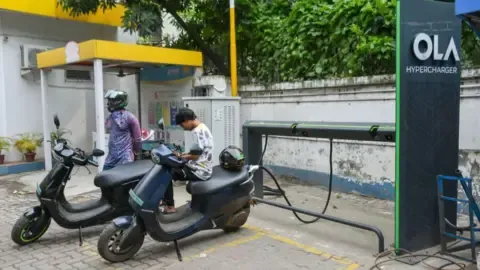
Before we declare the internal combustion engine officially deceased in India, the BBC report is careful to flag that significant challenges remain firmly in the picture. Charging infrastructure outside major cities is still patchy at best and nonexistent at worst. Range anxiety is real, particularly for buyers in rural areas or smaller towns where a broken-down EV is not exactly a quick fix.
The upfront purchase price of electric vehicles also remains a genuine barrier for a large chunk of Indian buyers, even as manufacturers work to bring costs down. Financing options and government incentive schemes are helping at the margins, but the sticker price gap between EVs and their petrol equivalents has not fully closed.
The bigger picture
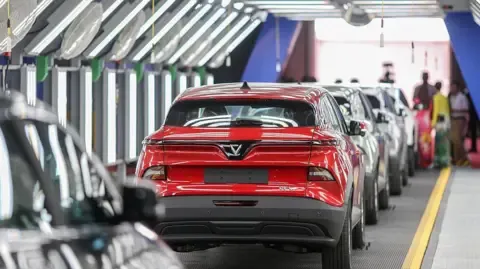
India's EV story is one of genuine momentum running headfirst into genuine obstacles. The demand signal is getting louder - domestic manufacturers and international players are all scrambling to launch affordable EV options tailored to Indian road conditions and budgets. The government has also been pushing EV adoption through various policy levers.
Whether the charging network, battery costs, and consumer confidence can all accelerate fast enough to match the enthusiasm is the real question. For now, high petrol prices are doing the heavy lifting as a sales pitch. The plug-in revolution in India is not a question of if - it increasingly looks like a question of exactly when, and how bumpy the ride there will be.