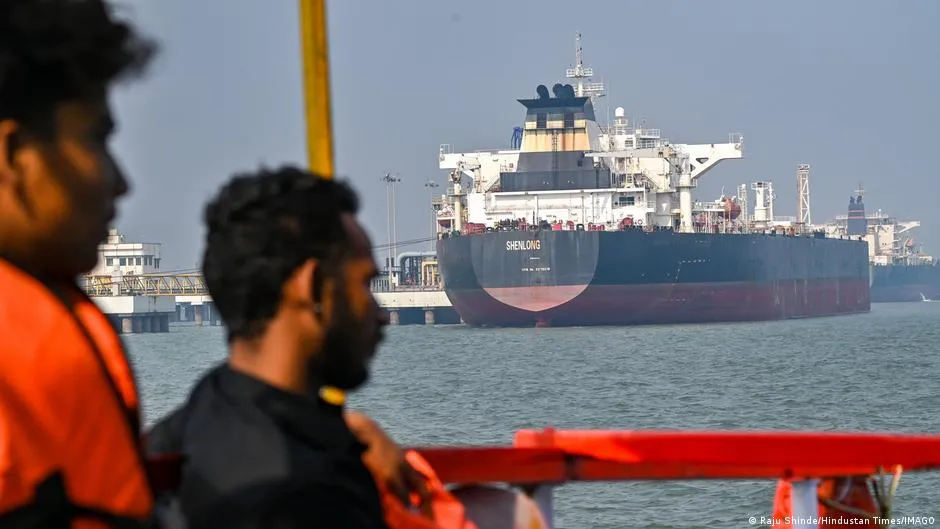
If you thought your grocery bill was bad lately, spare a thought for India - a country that just had two of its biggest crude oil discount aisles shut down at the same time. According to a report by DW, Washington has decided to let temporary waivers on Iranian and Russian oil imports expire, leaving New Delhi scrambling to plug a significant gap in its energy supply chain.
What exactly happened here?
India had been operating under a somewhat cozy arrangement: special relief measures that allowed it to keep buying oil from Iran and Russia despite Western sanctions. Think of it as a diplomatic hall pass - "yes, technically sanctions exist, but here's a note from the teacher." Those notes have now been confiscated.
With the waivers gone, India faces the prospect of tightening crude supply at a time when global energy markets are already about as calm as a cafeteria food fight. The country had leaned heavily on discounted Russian crude since Moscow's invasion of Ukraine sent Western buyers running, and had historically maintained Iranian supply ties before previous rounds of sanctions complicated things.
Why this matters beyond just India
India is the world's third-largest oil consumer, so when its supply chain hiccups, the ripple effects are not trivial. Higher import costs for India could translate into inflationary pressure domestically - not great news for a country managing a massive and growing population with significant energy needs.
New Delhi now has to go hat-in-hand to alternative suppliers, likely Gulf producers and possibly the US itself, where American officials would presumably be quite happy to fill the gap with their own exports. Funny how that works.
The geopolitical chess game
This move fits neatly into Washington's broader strategy of using energy access as leverage in its ongoing standoffs with both Tehran and Moscow. By closing off the waiver loopholes, the US effectively forces partner nations like India to choose sides more explicitly - or at least, to start paying market rates rather than the discounted prices that sanctioned suppliers were offering to keep their export revenues alive.
India has historically prided itself on a foreign policy of "strategic autonomy" - basically the diplomatic version of "I sit with everybody at lunch." That balancing act is getting harder by the day.
DW reports that the expiration of these waivers is expected to tighten India's crude supply meaningfully, with analysts watching closely to see how quickly New Delhi can reroute its import pipeline. The answer to that question will say a lot about just how much flexibility the world's most populous nation actually has when Washington decides to flex.