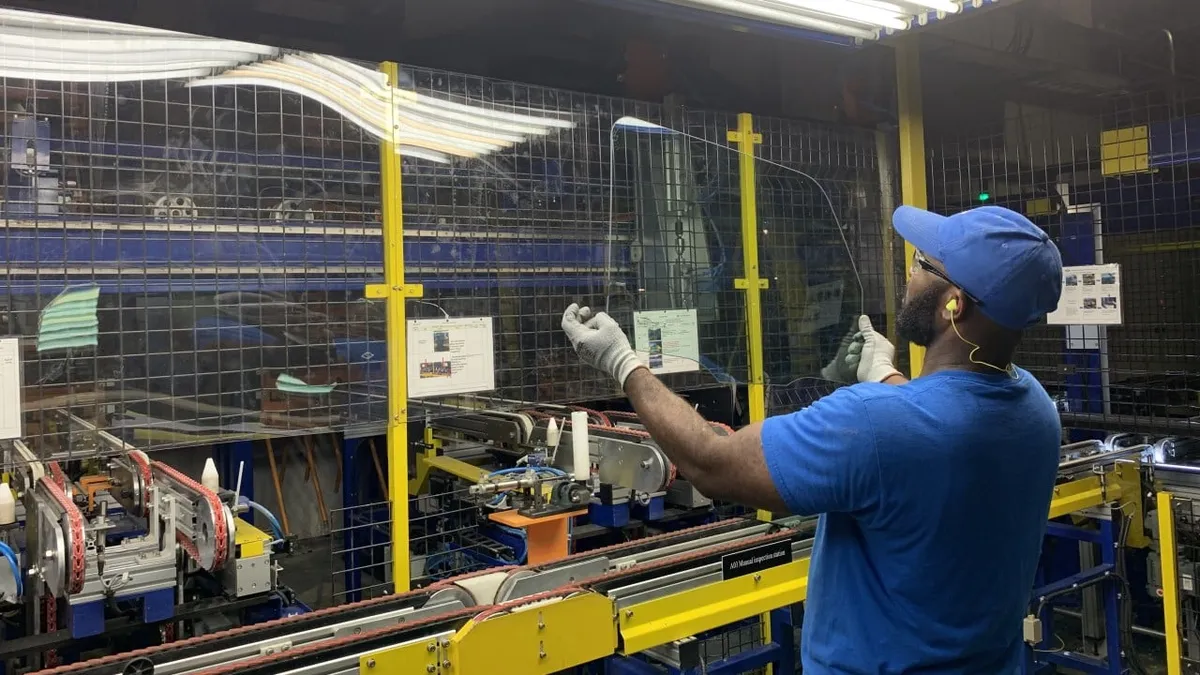
Remember American Factory, the Netflix documentary about a Chinese billionaire swooping into a shuttered Ohio plant and putting Americans back to work? Well, the man behind it all just told the world he has absolutely no problem un-swooping if the numbers stop making sense.
Cao Dewang, founder of Fuyao Glass - one of the world's largest producers of automotive glass - issued a pointed warning at the company's annual general meeting: if US-China trade friction and tariffs push his American operations into the red, he will simply shut them down. Full stop. No drama, just math.
According to the South China Morning Post, which covered the shareholder meeting, Cao was refreshingly blunt when asked about geopolitical risks. He reportedly said that the level of duties Washington chooses to impose is entirely America's business - but Fuyao's business is not losing money. The company, he made clear, will not run loss-making ventures out of sentiment or diplomatic goodwill.
Why this actually matters
This is not just one billionaire having a bad day. Fuyao's US operations - centered on a massive facility in Moraine, Ohio, the very plant that became famous through the 2019 Academy Award-winning documentary produced by Barack and Michelle Obama's Higher Ground Productions - employ a significant number of American workers. The film itself depicted the awkward, often tense, but ultimately functioning marriage between Chinese management culture and American labor expectations.
The idea that this symbol of cross-Pacific economic cooperation could become a casualty of the ongoing tariff war is, to put it mildly, a bit on the nose.
The bigger picture
Cao's warning lands at a particularly spicy moment in US-China trade relations, with tariffs having escalated significantly in recent months. Manufacturers operating on both sides of the Pacific are caught in the middle, forced to do increasingly painful cost calculations as duties pile up on raw materials, components, and finished goods.
Fuyao is not a small player here. The company supplies glass to major automakers globally, and its US footprint represents a real chunk of the domestic automotive supply chain. Losing that capacity would not be a trivial inconvenience for American car manufacturers either.
Whether Cao's comments are a genuine business warning, a negotiating signal aimed at policymakers, or a bit of both, is anyone's guess. But when the guy who literally starred in an Oscar-winning movie about investing in America says he might leave, it probably deserves more than a shrug.
Source: South China Morning Post