Small and medium-sized enterprises across India are bearing the brunt of ongoing disruptions to shipping through the Strait of Hormuz, with regional industrial hubs reporting significant financial strain as trade routes remain compromised, according to reporting by Deutsche Welle.
Two areas have emerged as particularly vulnerable: Kerala, one of India's most prominent spice-producing and exporting regions, and Morbi, a city in Gujarat that serves as the country's ceramics manufacturing heartland.
Spices and ceramics caught in the crossfire
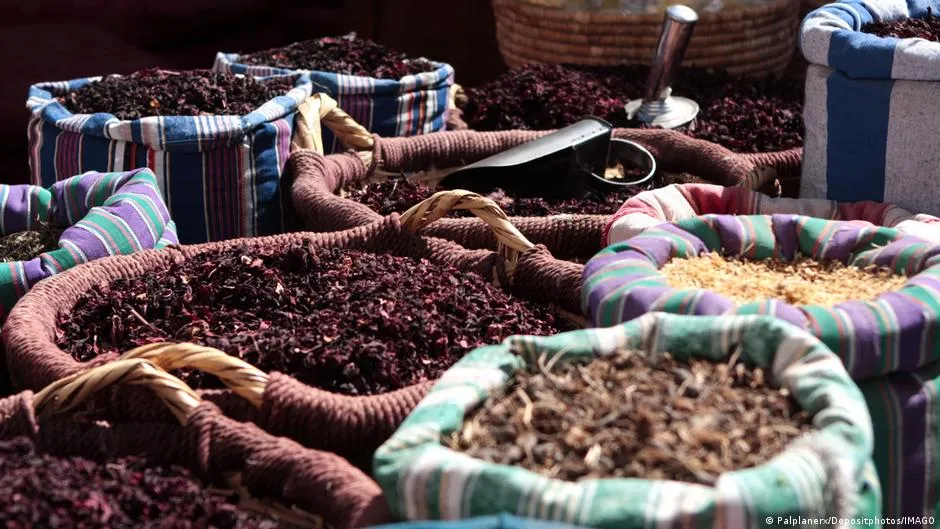
Kerala's spice traders depend heavily on Middle Eastern shipping corridors to move goods to international markets. Disruption at the Hormuz Strait - a critical chokepoint through which a significant share of global maritime trade flows - has driven up freight costs and introduced delays that small-scale exporters are poorly equipped to absorb.
In Morbi, which produces a large proportion of India's ceramic tiles and sanitary ware, manufacturers rely on the same shipping routes to both import raw materials and export finished goods. Rising logistics costs are squeezing margins in an industry already operating under intense price competition.
SMEs lack the buffers that larger firms have
Unlike large corporations, small and medium enterprises typically lack the financial reserves or contractual leverage to renegotiate shipping terms, hedge against cost increases, or quickly pivot to alternative supply chains. This structural disadvantage makes them disproportionately exposed when global trade routes face sudden shocks.
Freight rate increases tied to the Hormuz situation have compounded existing pressures facing Indian exporters, including currency fluctuations and post-pandemic demand uncertainty.
Questions over government support
The DW report raises questions about what, if anything, can be done to cushion the blow for smaller traders. Options under discussion in policy circles include targeted subsidies, access to emergency credit facilities, and diplomatic engagement to expedite alternative routing arrangements.
However, no specific relief measures had been announced at the time of the report, leaving many small business owners to navigate the disruption independently.
The Strait of Hormuz, which connects the Persian Gulf to the Gulf of Oman, is one of the world's most strategically significant waterways. Any sustained blockage or threat to passage through it carries broad consequences for global energy and goods trade - consequences that, as India's SME sector is demonstrating, often fall hardest on those with the least capacity to respond.