India's long-standing policy of strategic autonomy is being tested by the escalating conflict involving Iran, with analysts warning that the space for non-alignment is narrowing in an increasingly polarized world, according to a report published by The Diplomat.
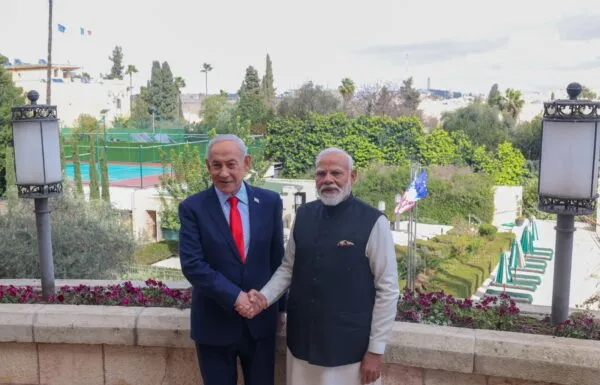
New Delhi has historically maintained a careful balancing act between competing global powers, cultivating relationships with the United States, Russia, Israel, and Iran simultaneously. That approach, which has served Indian foreign policy interests for decades, is now drawing scrutiny as major conflicts demand clearer positions from regional and global players.
A shrinking middle ground
The analysis in The Diplomat argues that as conflicts become more interconnected, sustained ambiguity is becoming harder to maintain. Countries that have previously tolerated India's hedging strategy are reportedly growing less accommodating, raising questions about the long-term viability of New Delhi's multi-alignment doctrine.
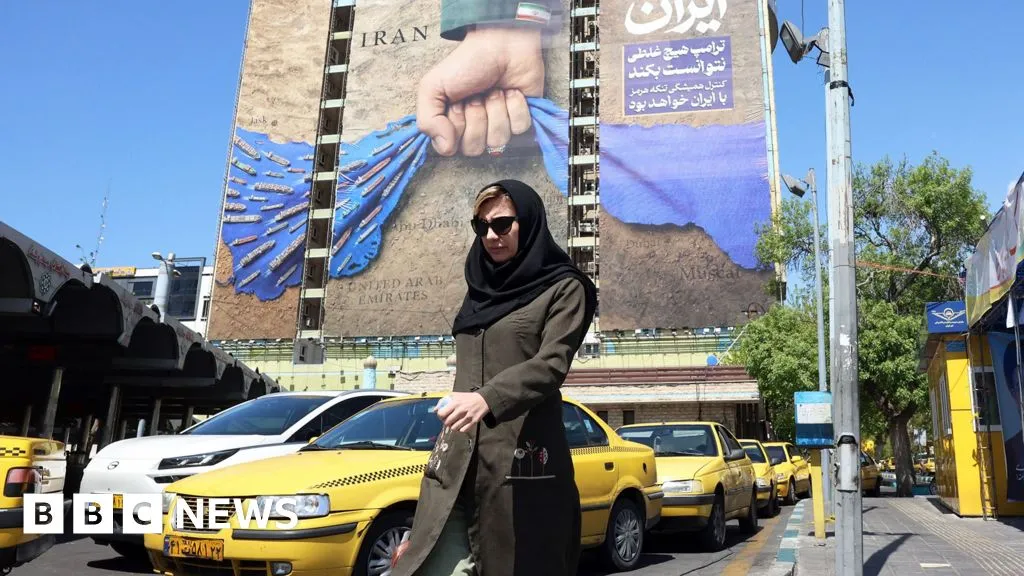
India has significant economic and strategic interests tied to Iran, including access to the Chabahar port, which serves as a critical trade corridor to Afghanistan and Central Asia. At the same time, India's deepening defense and economic ties with the United States and Israel complicate any outward show of solidarity with Tehran.
Competing pressures
Washington has long urged New Delhi to distance itself from sanctioned entities, including Iran, as part of broader efforts to enforce international economic pressure. India, however, has historically sought exemptions and workarounds, citing energy needs and regional connectivity goals.
The Iran conflict adds another layer of complexity. As hostilities in the Middle East draw in multiple state and non-state actors, demands for alignment from Western partners are intensifying. At the same time, India risks alienating partners in West Asia and beyond if it is seen to be tilting too sharply toward one bloc.
Strategic costs
According to The Diplomat, the core tension India faces is that strategic autonomy - once a source of diplomatic flexibility - may increasingly carry tangible costs. Partners on multiple sides are said to be reassessing what India's neutrality means for their own calculations.
India's foreign policy establishment has so far shown little indication it intends to abandon its multi-alignment approach. Officials in New Delhi have consistently defended the country's right to pursue its national interests independently of any single alliance structure.
Whether that position remains tenable as the Iran conflict evolves is a question analysts say will define a critical chapter in Indian foreign policy.