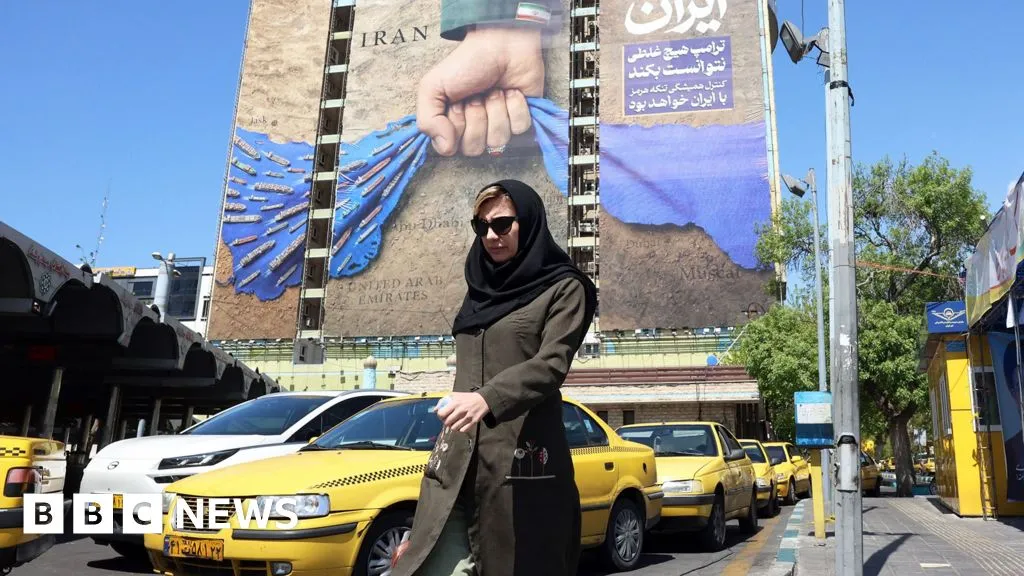
As a fragile ceasefire holds between Israel and Iran-backed forces, ordinary Iranians and officials alike are grappling with a pivotal question: can Tehran and Washington reach a diplomatic agreement that averts further military confrontation?
BBC chief international correspondent Lyse Doucet, reporting from Iran, describes a country living under the dual pressures of economic strain and geopolitical uncertainty, where the prospect of a nuclear deal carries enormous weight for the population.
A population caught between hope and skepticism
According to Doucet's reporting, many Iranians express cautious hope that diplomacy could succeed, though deep skepticism remains about whether the United States would follow through on any agreement. The memory of the 2018 US withdrawal from the Joint Comprehensive Plan of Action - the landmark nuclear deal negotiated during the Obama administration - looms large in public sentiment.
Years of sanctions have taken a significant toll on Iran's economy, driving up inflation and unemployment. For many citizens, a viable nuclear agreement with the West represents the most realistic path toward economic relief.

Diplomatic efforts under pressure
Doucet's dispatch highlights that diplomatic efforts are intensifying on multiple fronts as regional actors and global powers seek to prevent the ceasefire from collapsing. Iranian officials have signaled a willingness to engage in negotiations, though they have also maintained firm positions on core issues including uranium enrichment levels and the lifting of sanctions.
The ceasefire, described as fragile, has provided a narrow diplomatic window, but analysts and officials quoted in the BBC's reporting caution that the situation remains volatile. Any breakdown in talks or renewed military escalation could rapidly close that window.
The nuclear question at the center
Iran's nuclear program remains the central sticking point in any potential agreement with the United States. Western governments, led by Washington, have demanded significant curbs on Iran's enrichment activities, while Tehran insists on its right to a civilian nuclear program and has called for guaranteed sanctions relief that cannot be reversed by a future US administration.
The challenge of building mutual trust between two governments with decades of adversarial relations is, according to observers cited in Doucet's reporting, one of the most formidable obstacles to any lasting agreement.
Whether the current diplomatic momentum translates into a durable deal - or whether the ceasefire gives way to renewed hostilities - remains, as Doucet's reporting makes clear, an open and urgent question for Iranians and the broader international community.